Library of Congress
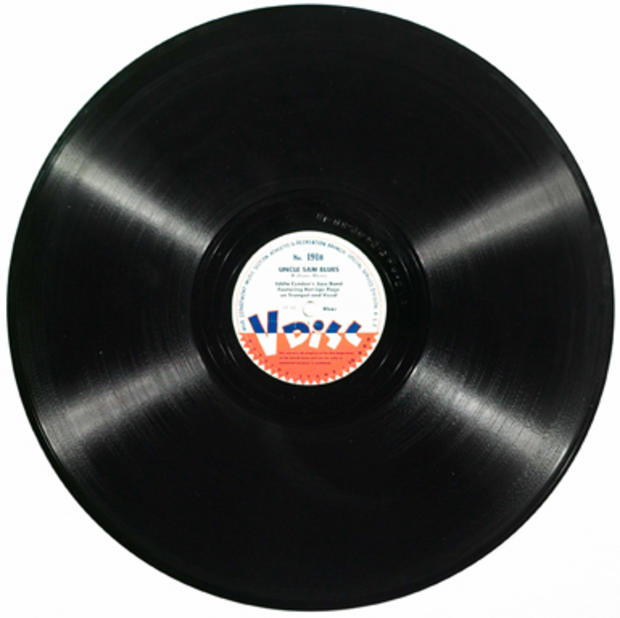
This 78 rpm disc of "Uncle Sam Blues," performed by Eddie Condon's Jazz Band with trumpeter "Hot Lips" Page, is one of the V-Disc recordings produced by the U.S. government for distribution to servicemembers overseas during WWorld War II. The recording is one of 25 added to the Library of Congress' National Recording Registry.
By CBSNews.com producer David Morgan
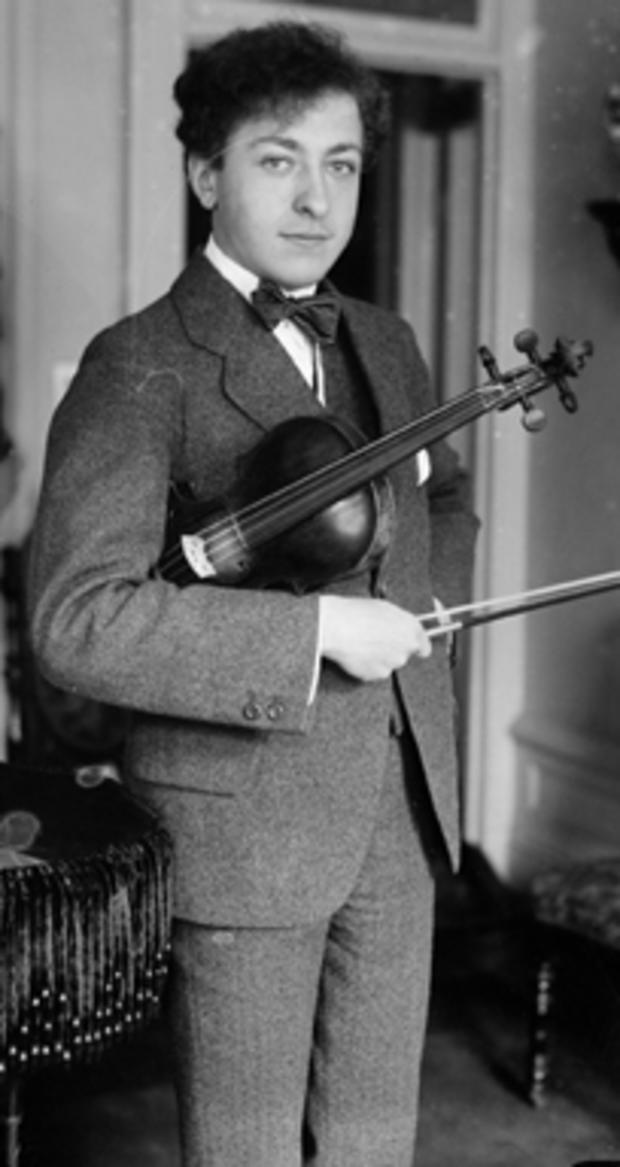
Jascha Heifetz
Library of Congress
Each year the Library announces new additions to the Registry that are deemed "culturally, historically, or aesthetically significant." This year's additions include a 1917 recording for the Victor Talking Machine Company by violinist Jascha Heifetz, all of 16 years of age.
Library of Congress
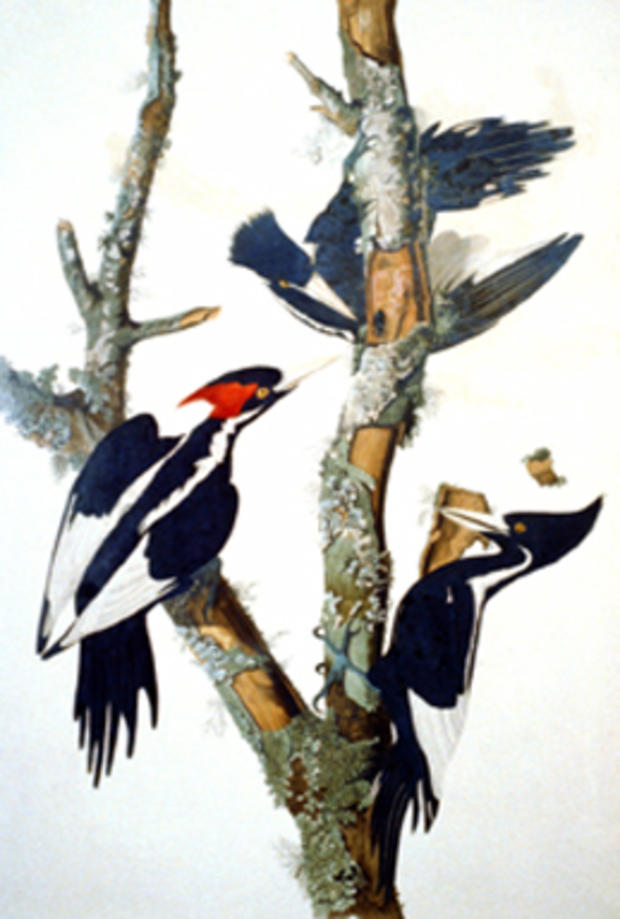
On a 1935 expedition to document rare North American birds, Arthur Allen and Peter Paul Kellogg of Cornell University recorded a pair of ivory-billed woodpeckers in an old-growth Louisiana swamp forest -- the last recordings of a species now believed extinct. This audio has been used to help develop pattern-recognition software, so that computers may analyze new field recordings to identify similar bird sounds.
Library of Congress
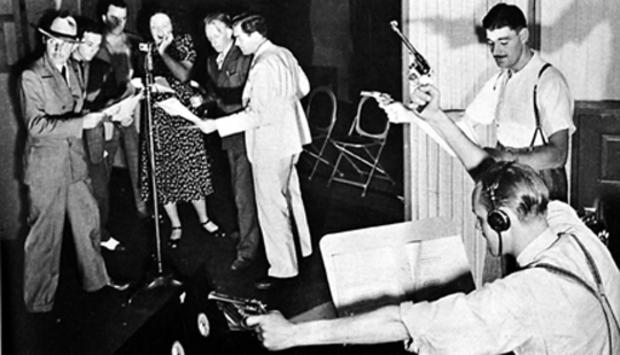
The radio crime drama series "Gang Busters" (a.k.a. "G-Men") aired from 1935 though 1957 on several networks, including CBS. It initially won the cooperation of J. Edgar Hoover's FBI in its showcase of true crime stories.
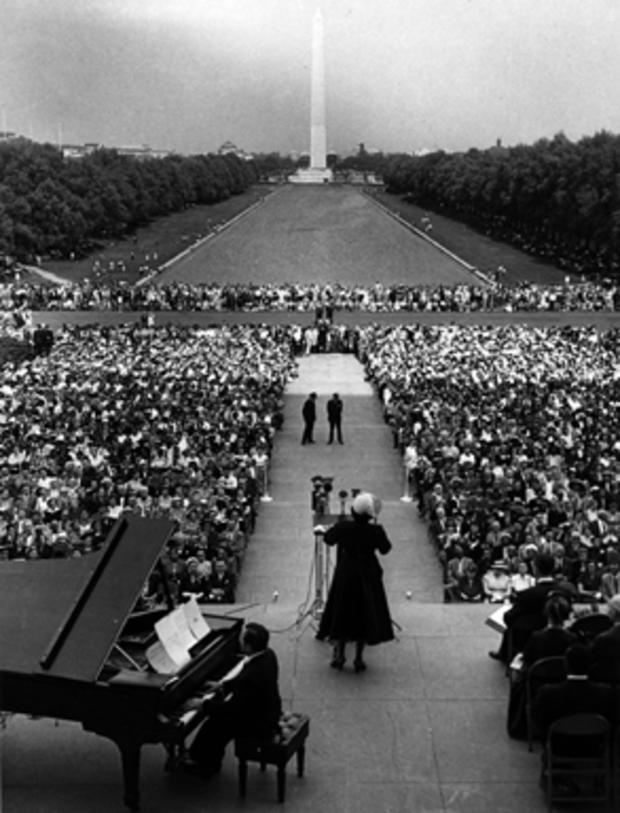
Marian Anderson At The Lincoln Memorial, 1939
Library of Congress
Singer Marian Anderson was rightly heralded for her voice, yet she was not allowed to perform at Washington, D.C.'s Constitution Hall because of her skin color. The controversy led to an historic Easter Sunday recital before an audience of more than 75,000 (and, via radio, millions more). NBC Radio's continuous coverage is the most complete documentation of this high note in the struggle for civil rights.
Library of Congress
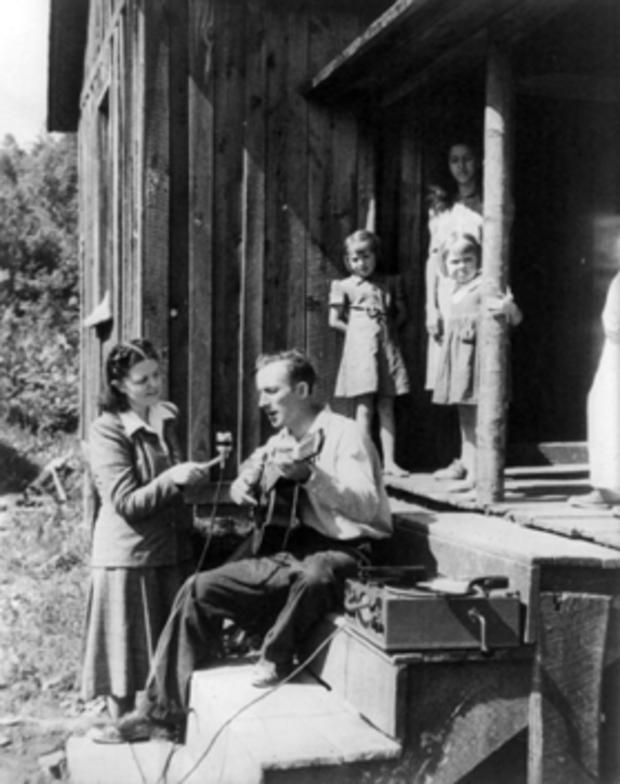
Frank Profitt of Beech Mountain, N.C., first sang the murder ballad "Tom Dula" for folklorists Frank and Anne Warner in 1938, and subsequently recorded it for them two years later, accompanying himself on a self-made banjo. The folk song became a standard in John and Alan Lomax's "Folk Song USA" songbook in 1948.
Library of Congress
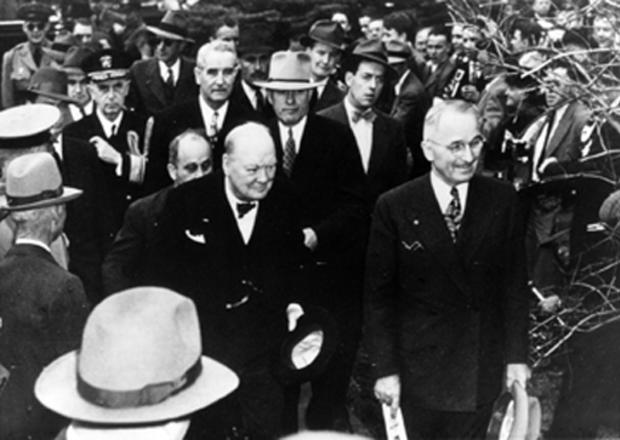
In a speech at Westminster College in Fulton, Mo., on March 5, 1946, Winston Churchill called for a tougher stance against Soviet expansionism, pronouncing that "From Stettin in the Baltic to Trieste in the Adriatic, an iron curtain has descended across the Continent."
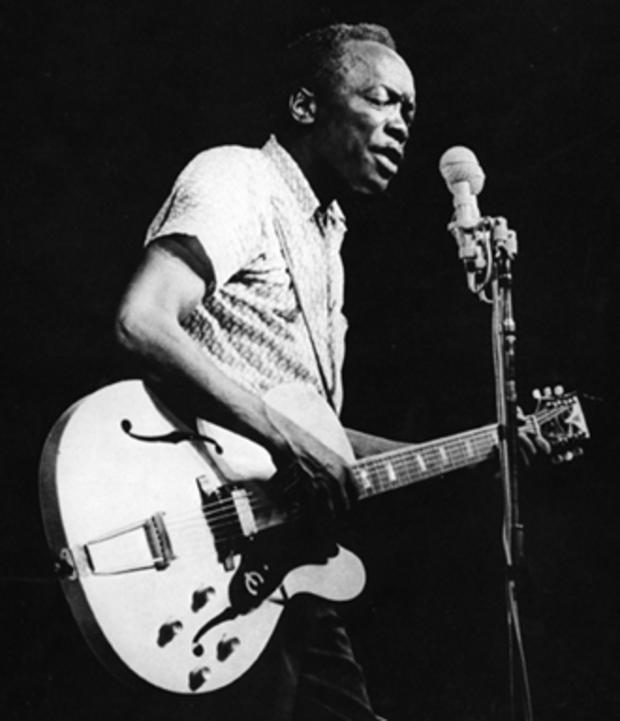
John Lee Hooker
Library of Congress
The largely self-taught Mississippi Delta bluesman John Lee Hooker recorded a demo of "Boogie Chillen," which the Detroit R&B label Modern released in 1948. Its infectious rhythm, simple instrumentation and confessional lyrics have made it a classic.
Library of Congress
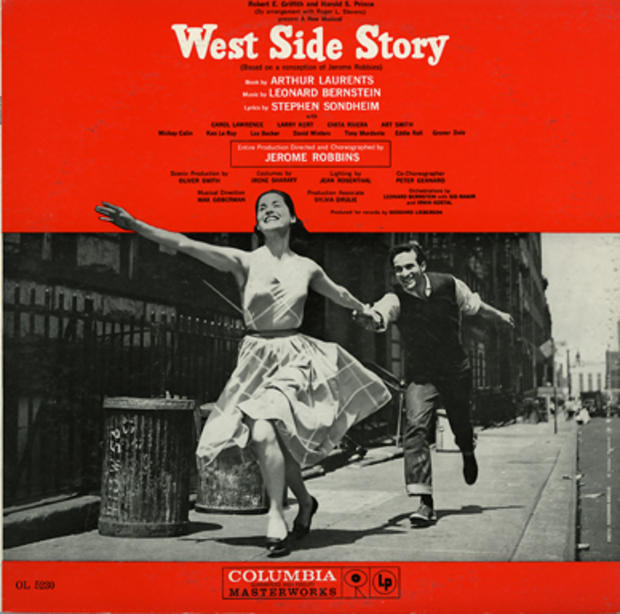
The 1957 Original Cast recording of the Broadway musical "West Side Story" captured the vitality of Leonard Bernstein's music and Stephen Sondheim's lyrics, influenced by Latin, jazz, rock and classical -- not to mention Shakespeare.
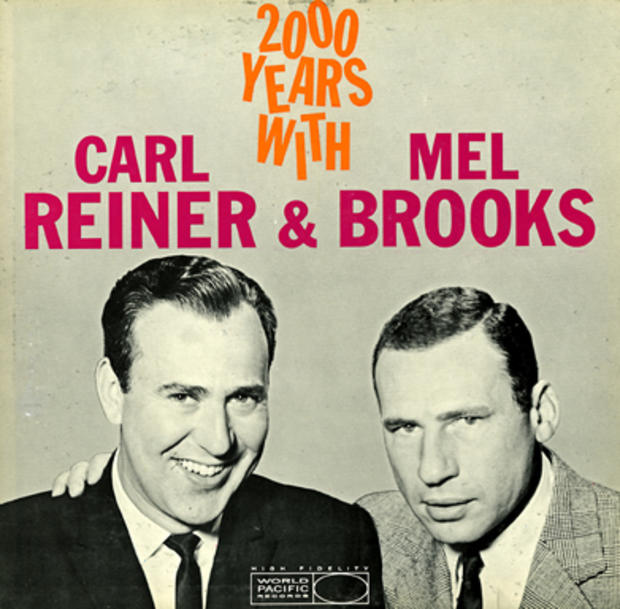
Reiner & Brooks
Library of Congress
As told in the classic comedy album, Mel Brooks' 2,000-Year-Old Man recalls that before there were nations, there were caves -- but there was still something resembling patriotism. The ancient raconteur even sings his own cave's national anthem: "Let 'em all go to hell, except Cave 76!"
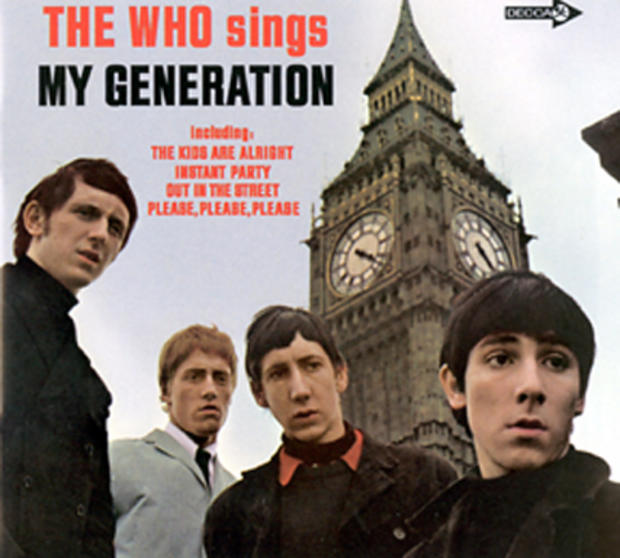
The Who
Library of Congress
Songs from the band's 1966 album (their first) would become classics, from Pete Townshend's title track, "My Generation," to Keith Moon's drumming on "The Ox," to covers of songs by Bo Diddley and James Brown.