Trump administration sanctions Mexican cartel and its leader, "the sledgehammer," for oil theft

The Treasury Department has imposed sanctions on a violent Mexican fuel-theft cartel and its imprisoned leader, amid the Trump administration's crackdown on cartels backing operations through stolen oil and gas.
The Treasury's Office of Foreign Assets Control designated the Guanajuato-based group known as the "Cartel de Santa Rosa de Lima," or CSRL, after U.S. officials found the enterprise turned a profit by stealing fuel and crude oil from Mexico's state-owned energy company, Pemex.
OFAC also sanctioned Jose Antonio Yepez Ortiz. Dubbed "El Marro," or "the sledgehammer," the leader of CSRL is currently serving out a 60-year sentence in Mexico, but U.S. officials have accused him of orchestrating cartel operations from behind bars by "sending instructions and orders to his collaborators through his lawyers and family members."
Fuel theft — more commonly known as huachicol in Mexico — has risen to the second most profitable revenue stream for Mexican cartels behind drug trafficking, according to the U.S. Treasury. U.S. officials allege that members of CSRL steal fuel and crude oil from Pemex by bribing insiders, tapping pipelines, siphoning refineries, hijacking tanker trucks, and intimidating employees.
The stolen fuel is then sold across Mexico, the United States and Central America, while crude oil is smuggled north via complicit brokers — frequently disguised as "waste oil" to evade taxes and environmental scrutiny, the U.S. Treasury discovered. Once inside the United States, the oil is then funneled to unscrupulous importers along the southwest border, sold at deep discounts on U.S. and global markets with proceeds quietly funneled back to the cartels — fueling corruption, violence and a sprawling cross-border energy black market.
Treasury Secretary Scott Bessent said Tuesday's action is part of President Trump's pledge to "eliminate" cartels by cutting them off from the U.S. financial system, regardless of how they generate or launder money.
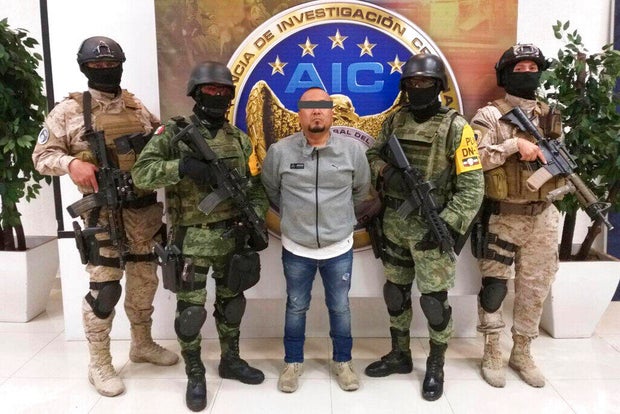
CSRL, founded around 2014 and named after a community within Guanajuato, has been locked in a bloody turf war with the Jalisco New Generation Cartel (CJNG) since 2017 over control of fuel theft in a pipeline-dense region known as the "Bermuda Triangle." The Treasury says that conflict has helped make Guanajuato one of Mexico's deadliest states. As recently as August, Mexican authorities seized more than 164,000 liters of stolen hydrocarbons linked to the group.
U.S. officials say CSRL has allied with the Gulf Cartel and the Sinaloa Cartel and has recruited former Colombian military and paramilitary members. The group is also accused of trafficking narcotics — including heroin — into the United States.
Tuesday's sanctions freeze any U.S.-based assets belonging to CSRL and Yepez Ortiz, formally barring Americans from doing business with them and imposing possible civil or criminal penalties against violators.
The decision follows earlier steps by the Trump administration to designate CJNG as a foreign terrorist organization and target affiliated fuel-theft networks tied to the criminal enterprise.
After a May alert from the Financial Crimes Enforcement Network (FinCEN), the U.S. Treasury says banks reported more than $827 million in suspicious oil-smuggling transactions underscoring the scope of the black market. According to FinCEN's analysis — and removing outliers — the average oil smuggling transaction is priced at $5 million, with suspicious activity reports frequently filed in Florida and Texas, including towns near the U.S.-Mexico border like Brownsville, Mission and Eagle Pass.