Transient ischemic attacks tied to early death
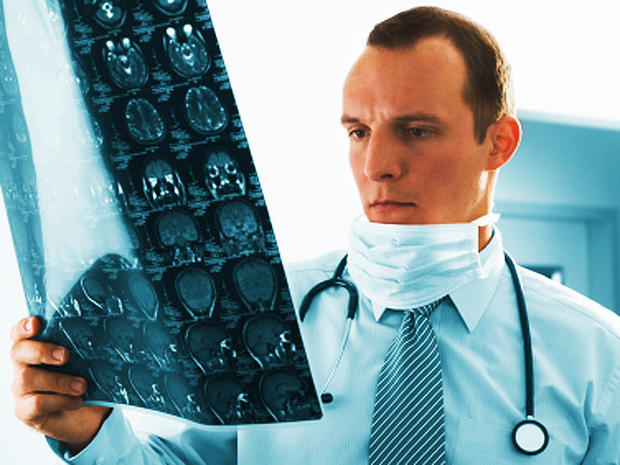
(CBS) Strokes can be deadly, but what about "mini-strokes?"
A new study links the episodes - which doctors call transient ischemic attacks, or TIAs - to a marked increase in the death rate of older people but a minimal effect on the mortality of people under age 50.
PICTURES: 10 deadly myths about stroke
For the study, researchers in New South Wales, Australia tracked 22,157 adults who had been hospitalized with a TIA between 2000 and 2007. At one year, 91.5 percent of TIA patients were still alive, as compared with 95 percent of the general population. After nine years, TIA patients were 20 percent less likely to be alive.
"What this data tells us very plainly is that if you have a TIA, you have greatly increased risk of death, particularly if you are over 65, study author Dr. John M. Worthington, associate professor of neurology at the University of New South Wales, told Medscape News. He said older TIA patients need to be followed very closely by doctors to make sure their risk factors for future TIAs or strokes is kept as low as possible.
The study was published online Nov. 10 in Stroke: Journal of the American Heart Association.
A transient ischemic attack occurs when the blood supply to the brain is briefly interrupted. It lasts only a few minutes and produces symptoms including numbness or weakness in the face, arm, or leg; confusion or difficulty talking or understanding speech; trouble seeing in one or both eyes; and loss of balance, dizziness, and difficulty with walking.
Since there's no way to tell whether symptoms are caused by a TIA or a full-blown stroke, it's best to seek immediate medical attention. TIAs are commonly treated with surgery or so-called "antiplatelet drugs" including aspirin.
The American Stroke Association has more on TIAs.