Grand jury to investigate deadly Phila. building collapse
(AP) PHILADELPHIA - Philadelphia's top prosecutor announced Monday he would convene an investigating grand jury to look into the building collapse that killed six people and injured 13 others last week.
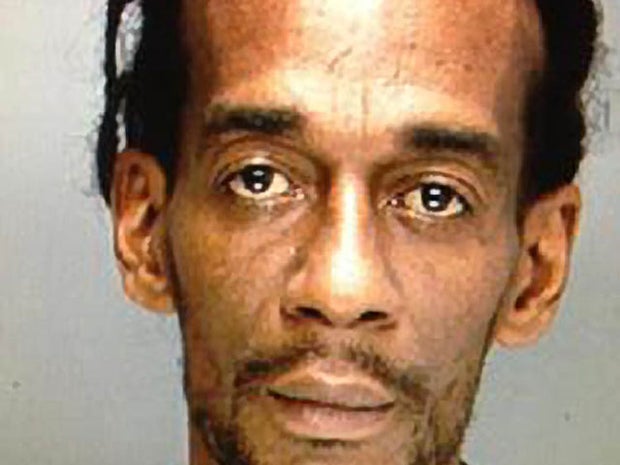
Police allege a heavy equipment operator, Sean Benschop, was high on marijuana when the collapse happened on Wednesday, June 5. His attorney said it was an accident and his client is not responsible.
Benschop surrendered Saturday to face six counts of involuntary manslaughter, 13 counts of reckless endangerment and one count of risking a catastrophe. He is the only person currently charged in the collapse and is being held without bail pending a hearing June 26.
District Attorney Seth Williams said the "scope and depth" of the grand jury process will help prosecutors, the city and others to "completely and appropriately investigate" what happened when a downtown building under demolition collapsed onto a neighboring Salvation Army Thrift Store, killing two employees and four customers.
"I know Philadelphians demand action. I heard their voices loud and clear," Williams said at a news conference. "We want Philadelphians to be patient as we gather all the evidence."
"While some may be held responsible in civil court, the role of the grand jury will be to hear from witnesses, to gather documents, to gather information and to then determine if anyone (else) should be held criminally responsible," he said.Also Monday, the City Council announced the formation of a special committee to conduct a broad review of procedures and regulations regarding licenses and permits, construction and demolition, the certification of workers, building maintenance and other issues.
Unsafe construction work is a common issue in Philadelphia, and "unfortunately, it took such a tragic event for us to finally do something about it," Council President Darrell L. Clarke said.
Councilman Jim Kenney, who is the chair of the committee, said safety standards are sometimes not met for the sake of costs.
"There is an underground economy that's grown up as a result of the issue relative to the cost of construction," Kenney said. "The cost of the construction should not trump safety."