What will the U.S. economy look like in 2026? Experts weigh in on 5 key questions.
The U.S. economy navigated 2025 with a resilience that surprised many experts, as growth accelerated and inflation remained relatively muted despite the Trump administration's steep tariffs on imports.
Although Americans say they aren't yet feeling the benefits of an expanding economy amid ongoing concerns about the cost of living, many economists expect the U.S. to be on firmer footing next year.
"I think it'll be a better year," Oxford Economics chief U.S. economist Michael Pearce told CBS News. "Tax cuts will be center stage, and we'll see a broadening out of economic strength."
Here are what experts see as the key economic questions facing the U.S. in 2026.
Will affordability improve?
Probably not — at least not in a way most Americans will feel right away. Inflation has cooled since peaking at a 40-year high in 2022, but prices remain elevated, squeezing many households and making it harder to cover basic expenses. About 7 in 10 Americans polled by CBS News in December said they were struggling to pay for food, housing and health care, underscoring the affordability issues affecting millions of households.

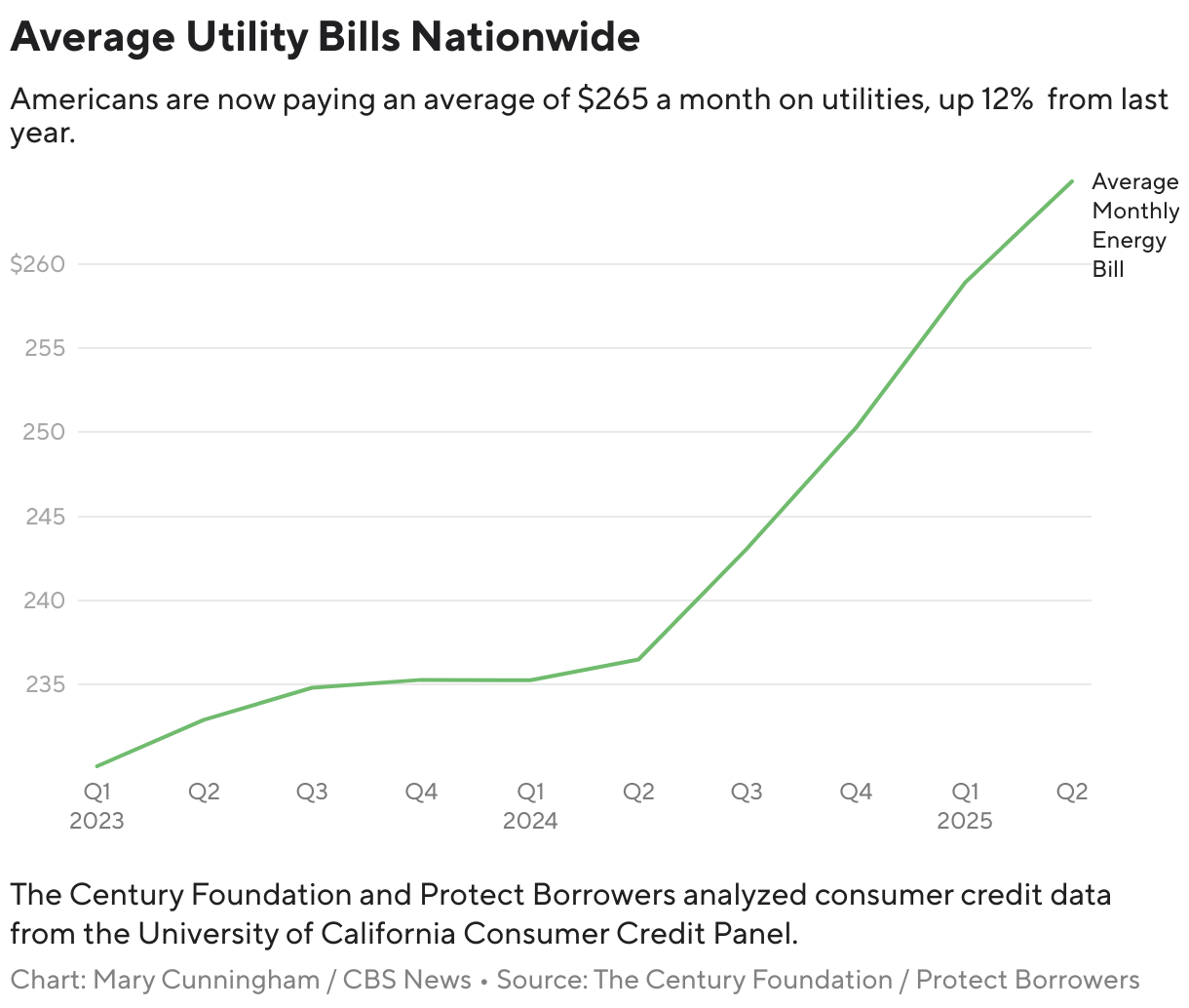
Rising utility costs are another challenge. Americans now pay an average of $265 per month in utilities, up 12% since last year, according to a recent report from The Century Foundation, a nonpartisan think tank, and advocacy group Protect Borrowers. Meanwhile, the average household is expected to pay an average of $995 on home heating this winter, a 9.2% increase from last year, according to the National Energy Assistance Directors' Association.
More broadly, inflation remains well above the Federal Reserve's 2% annual target, with the Consumer Price Index in November at 2.7%. For consumers, that means prices for everyday goods and services are still climbing, continuing to strain household budgets.
Inflation should cool to about 2.4% in 2026, according to a December forecast from the Federal Reserve. But that would still leave inflation above the central bank's goal, signaling that "higher inflation will continue to weigh on family finances" next year, William Blair economist Richard de Chazal said in a report.
About one-third of Americans think their finances are likely to worsen in the year ahead, primarily driven by inflation concerns, a recent Bankrate survey found.
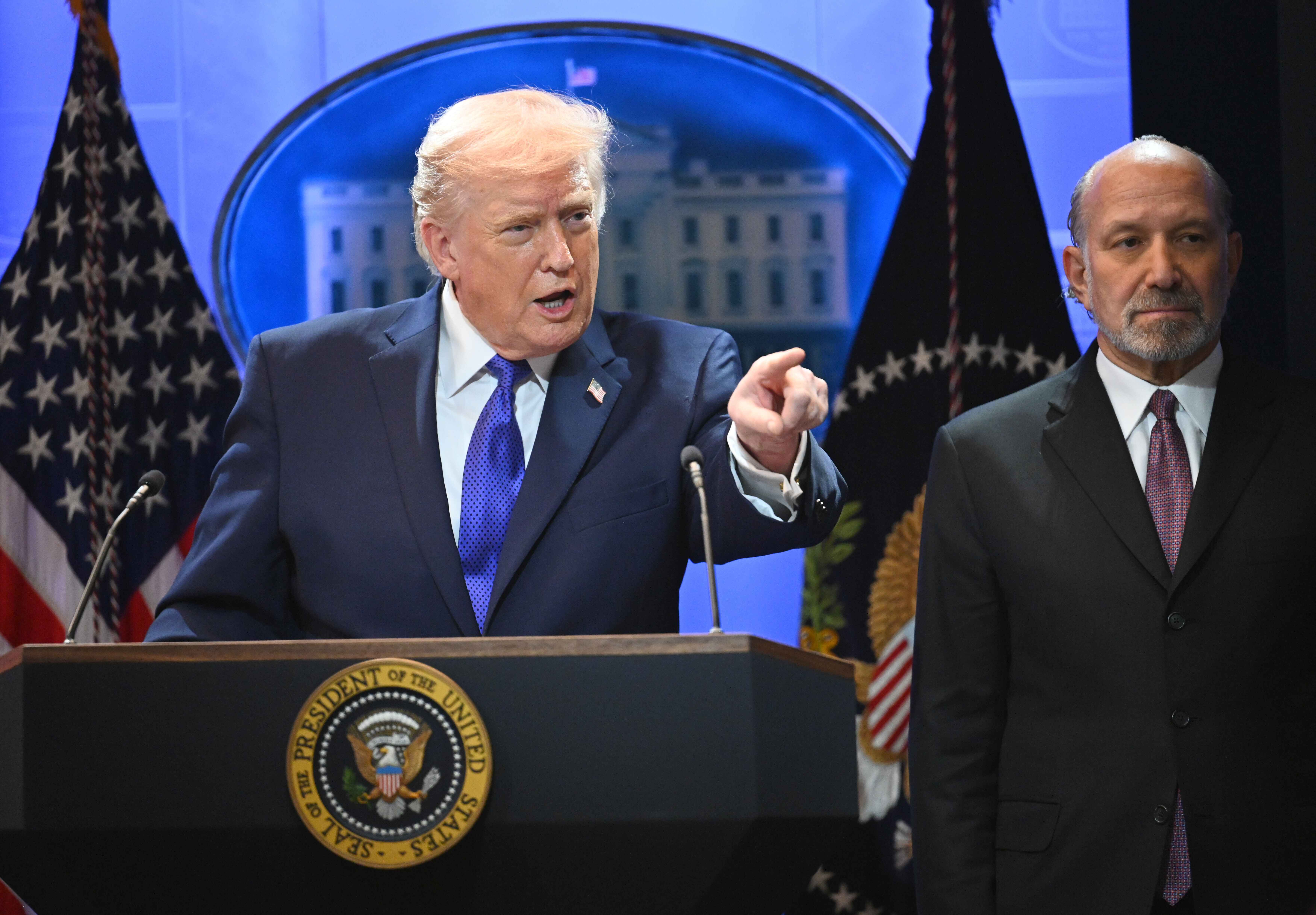
Wages will need to outpace inflation for a sustained period before households feel they are getting ahead, Federal Reserve Chair Jerome Powell said at a Dec. 10 press conference.
"We're going to need to have some years where … nominal wages are higher than inflation for people to start feeling good about affordability," he noted.
Will the Federal Reserve continue to cut interest rates?
Another big question is whether the Federal Reserve will continue cutting its benchmark interest rate after three consecutive reductions that began in September.
Although the Fed has a so-called dual mandate to keep both inflation and unemployment low, the central bank is currently being pulled in two directions. Prices are rising faster than the Fed would like, which could call for higher interest rates if the trend persists or inflation re-ignites in 2026. At the same time, rising unemployment and cooler hiring might require policymakers to further lower rates in a move to boost economic growth.
The Federal Open Market Committee, the Fed panel that sets monetary policy, in December penciled in only one additional rate cut for 2026. Yet some economists believe the Fed could make additional cuts, especially if the labor market continues to slow.
President Trump has argued that the Fed should drastically cut its benchmark rate, pressing Fed Chair Jerome Powell to reduce borrowing costs. With Powell's term set to expire in May, Mr. Trump is expected to nominate a new chair who is more open to cutting rates.
Will housing become more affordable in 2026?
Homes across the U.S. could be modestly more affordable in 2026, Chen Zhao, head of economics research at real estate company Redfin, told CBS News.
Mortgage rates are likely to remain in the low 6% range, not far off from today's 30-year mortgage rate of about 6.18%, while home prices are likely to grow at a slower pace than incomes next year.
"We're starting to head on a road that leads to better affordability metrics, but it's not going to be an overnight shift," she said. "2026 might not feel all that different than the end of 2025 — it's a slow process that might take five or six years, but at least we're heading in the right direction."
Home prices are projected to dip in about two dozen major U.S. cities in 2026, mostly located in the Southeast and the West, according to a Realtor.com analysis.
Will the job market pick up steam?
Hiring could improve in 2026 as economic growth accelerates and the effects of tariffs fade, according to Goldman Sachs.
Average payroll gains could rise to an average of 70,000 per month next year, more than double the 32,000 per month average in 2025, economists with the investment bank forecast in a report. They expect wages to climb 2.3% in 2026, accelerating from 1.9% this year.
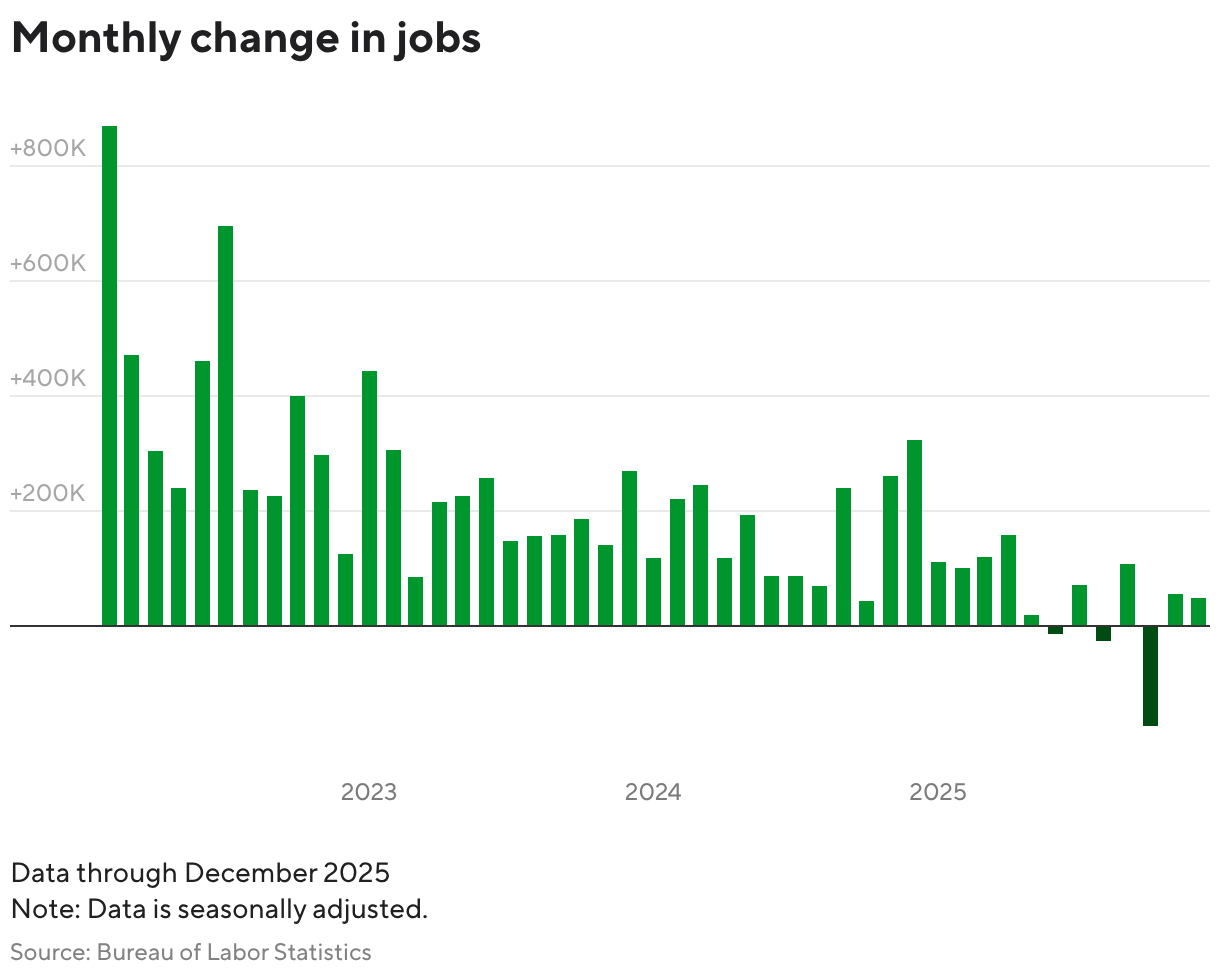
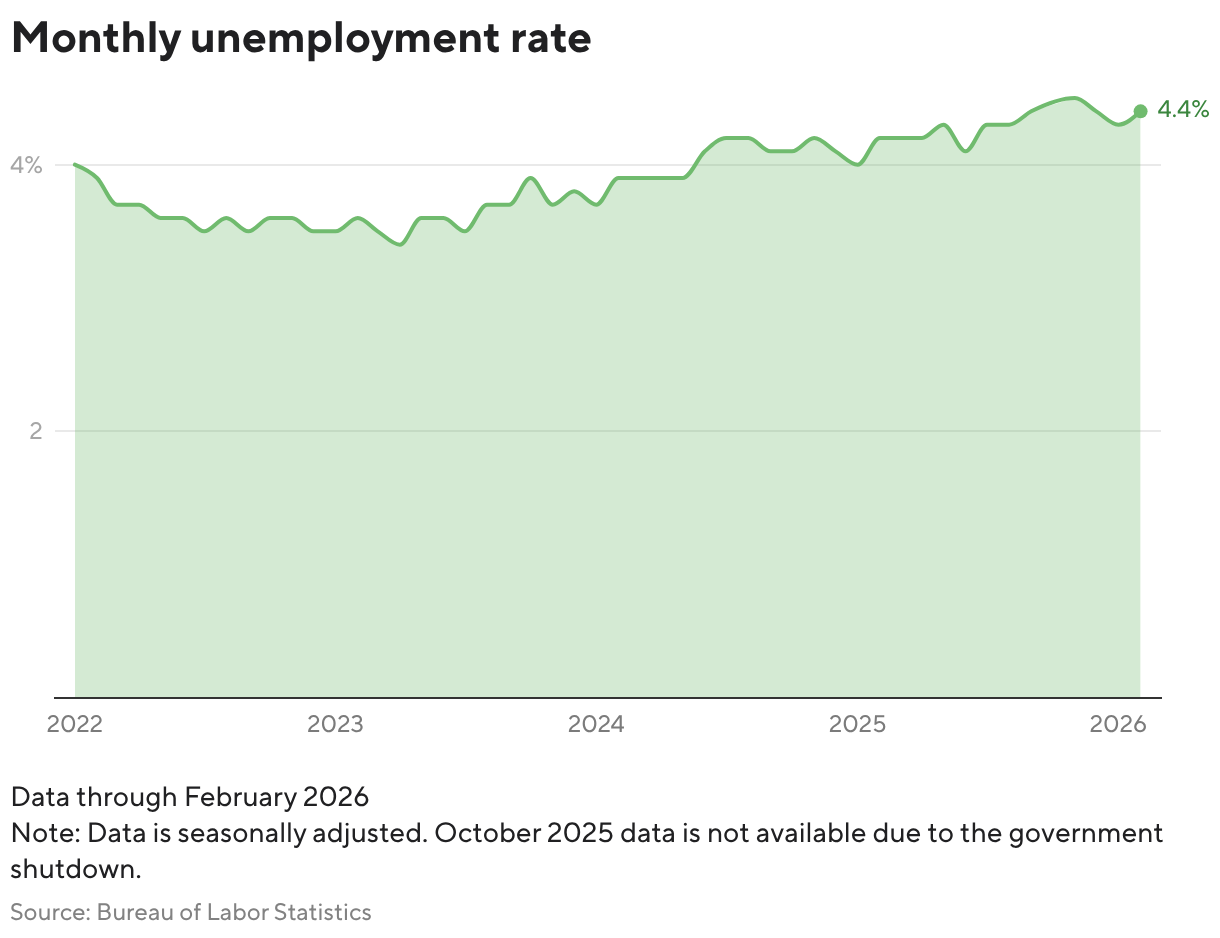
However, some economists warn that the job market could remain relatively muted as companies turn to artificial intelligence to improve productivity.
Are stocks in a bubble?
A critical question for financial markets this year — are companies involved in AI overvalued — is likely to again take center stage in 2026.
The S&P 500 is on track to end the year with a gain of more than 17%, with the index buoyed by artificial intelligence companies and big tech companies. However, some investors are growing cautious about the meteoric rise of AI-related stocks, questioning whether a bubble is forming.
Such bubbles — when stock valuations run far ahead of underlying fundamentals — can set the stage for sharp market corrections if investor sentiment sours. Yet stock valuations remain below the levels seen during the dot-com boom of the late 1990s, according to Jonas Goltermann, deputy chief markets economist at Capital Economics. He expects investment in AI to continue next year as more companies adopt the technology.
Still, although AI stocks are unlikely to crash next year, investors' lofty expectations may be in for a reality check
"At some point, investors are likely to be disappointed, and the cycle of ever rising investment, expectations and valuations will end, as proved the case with previous equity bubbles," Goltermann said in a report.
Overall, forecasters expect a strong stock market performance in 2026. J.P. Morgan in November forecast the S&P 500 will rise 13% to 15% next year, roughly in line with the index's average gain over the last decade.