Eaton Fire victims still coping with grief, managing mental health one year after tragedy
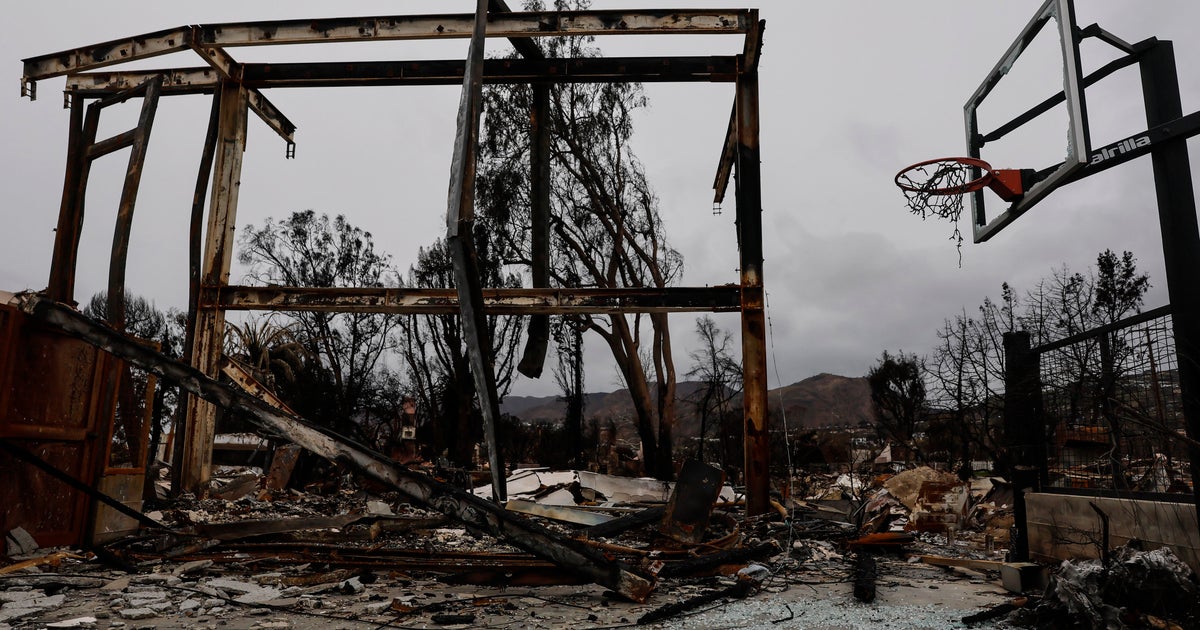
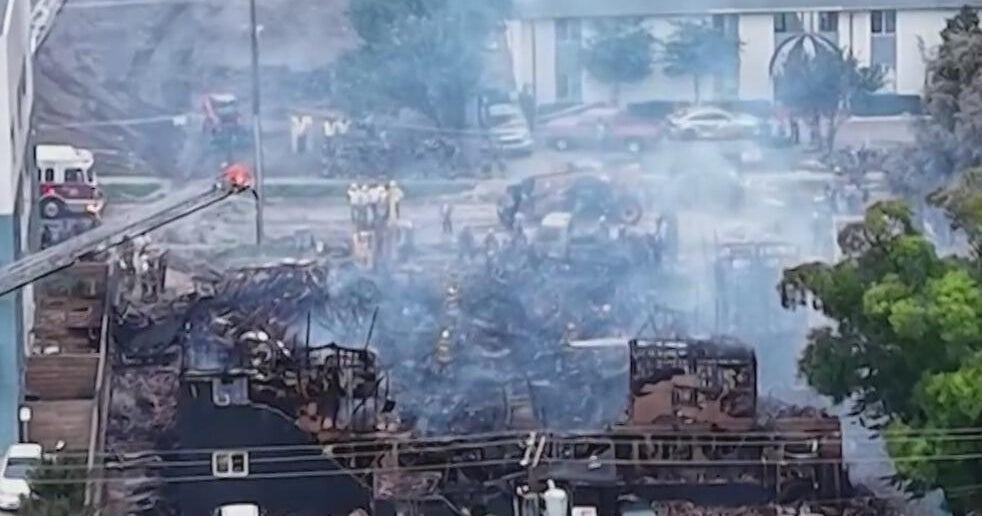
Nearly a year after the Eaton Fire ravaged Altadena, destroying thousands of homes and businesses on the way to becoming one of California's most devastating wildfires, survivors are still struggling to find ways to manage their mental health and cope with grief.
CBS LA first met Donny Kincey in July 2025, months after four of his family's homes were destroyed in the blaze. When asked if he considers himself a happy person, his answer was a simple but loaded "no."
"I've seen too much," Kincey said. "That night was just way too much."
He says that he's been overwhelmed with simmering grief every moment of the past year, remembering what was lost last January.
"I don't really have any hopes for things anymore. This has kind of driven it out of me," he said. "You know, from insurance issues to price gouging, for me, I don't know. It's really hard."
Census data shows that Altadena's population is made up of 58% people of color, a community where mental health challenges haven't always been openly discussed or treated.
"Culturally, it's weird, you know? Like, we're all going through something and it feels, I don't know — soft," Kincey said. "Like, just as a man, just going through this, I'm supposed to be stronger than this. To get a doctor to tell me that something is truly wrong, I think there's a fear that something might be wrong."
Trauma therapist Melissa Lopez also lost her home in the Eaton Fire. She's been vocal about the unique needs of helping the BIPOC population, which often lacked access to or trust in traditional medicine.
"People are dealing with a lot of systemic oppression already," Lopez said. "That makes things really complex. It's not just the fire that happened. It's the fire, and then living as a fire survivor as a Black or Brown person, living as a fire survivor with not having, like, documentation."
Lopez is working to help people adjust to those changes, expanding her services to places like Nikki High's bookstore in Pasadena.
"When I opened the doors almost three years ago, I wanted this to be a safe haven for our community and I feel like we, you know, we did that prior to the fire and then once the fires hit, this really just solidified this place, a place that we need to have," High said.
Her home didn't burn in the fire, but it's still surrounded by the leveled remains of her neighborhood. She said that in the weeks after the Eaton Fire, her shop was a mutual aid hub. Even now, they still offer space for weekly therapy sessions.
"People know that they can come in, they can cry with me, we can hug, we laugh, we can talk," High said.