Chicago organizations' lawsuits take U.S. Department of Education to task over funding cuts


Education advocates in Chicago filed two lawsuits against the U.S. Department of Education this week, arguing that students returning from Christmas vacation will be left without crucial resources such as after-school programs.
One of the lawsuits was filed Monday in U.S. District Court in Washington, D.C., by the American Federation of Teachers and the Brighton Park Neighborhood Council. The other was filed Monday in U.S. District Court in Chicago by Afterschool for Children and Teens Now (ACT Now) and Metropolitan Family Services.
They argue the federal government abruptly cut millions of dollars from Illinois community school and after-school programs with little warning in the middle of the academic year.
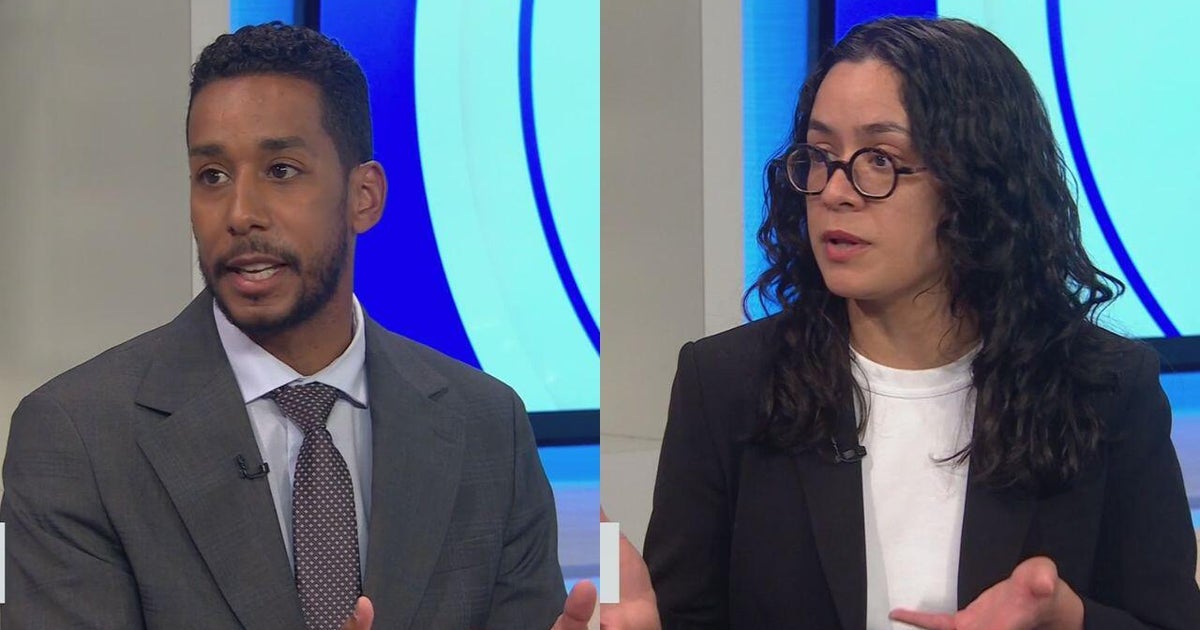
"Our neighborhood, our community has been targeted by the federal government," said Patrick Brosnan, executive director of the Brighton Park Neighborhood Council. "We had been told by the Department of Education that we were doing a great job until we got this letter. So this letter came completely out of the blue."
The impact is significant. About 32 schools across the state are affected, impacting nearly 19,000 students who rely on funding for mental health services, after-school programs, and food pantries.
Advocates said some of those services are at risk of disappearing just days before students return to class following winter break, leaving schools scrambling to figure out how to staff and pay for STEM and robotics classes, financial literacy programs, and workforce development training.
The Brighton Park Neighborhood Council runs the after-school programs at Curie High School, serving 500 students.
"What are we going to do be able to try to keep these services at our school?" Brosnan said.
Other impacted activities include after-school tutoring, high school clubs, and enrichment learning programs for younger children.
Several staff members could also be laid off.
"We had no word from the department that something like this could happen," said Susan Stanton, executive director of ACT Now Illinois. "These are the youth who are really the most in need in Illinois, and the holidays can be really tough for these youth and families."
School administrators were shocked because the withdrawal of the funding wipes $60 million in previously allocated funding off the table. The schools were only two years into what were supposed to be five-year grants.
"They think they can just change the rules whenever they want," Brosnan said.
Attorneys allege the "last-minute loss" of funding is unlawful. They said schools around the country will feel "immediate and irreparable harm."
A spokesperson for the U.S. Department of Education responded right away when asked for an explanation Tuesday morning. Madi Biedermann, deputy assistant secretary for communications at the DOE, blamed the halt in funding on a conflict with the priorities of the Trump administration:
"The Trump Administration is no longer allowing taxpayer dollars to go out the door on autopilot – we are evaluating every federal grant to ensure they are in line with the Administration's policy of prioritizing merit, fairness, and excellence in education. The Department non-continued grants that do not align with the Administration's priorities. Many of these use overt race preferences or perpetuate divisive concepts and stereotypes, which no student should be exposed to."
ACT Now took issue with the Department of Education's characterization of the programs.
"We completely disagree with the idea that this is race-based. These are local solutions to local problems, and so they're responding to whoever the kids are," Stanton said. "We are already losing services. We're already losing staff. Students are going to come back to the classroom right after the holidays, and they're going to have lost things that they're depending on daily."
The lawsuits argued that "perceived" misalignment with the president's priorities is not a legal reason to discontinue a grant.
Hearings on both lawsuits have been scheduled for Wednesday in D.C. and Chicago.