Air traffic controllers at O'Hare Airport continue to work despite uncertainty from government shutdown
The shutdown is dragging beyond two weeks, with one group of federal workers still clocking in without pay — air traffic controllers.
As the government shutdown continues, air traffic controllers have only partially gotten paid over these past two weeks, yet they continue to work, doing a stressful job, and union leaders say some are choosing to walk away.
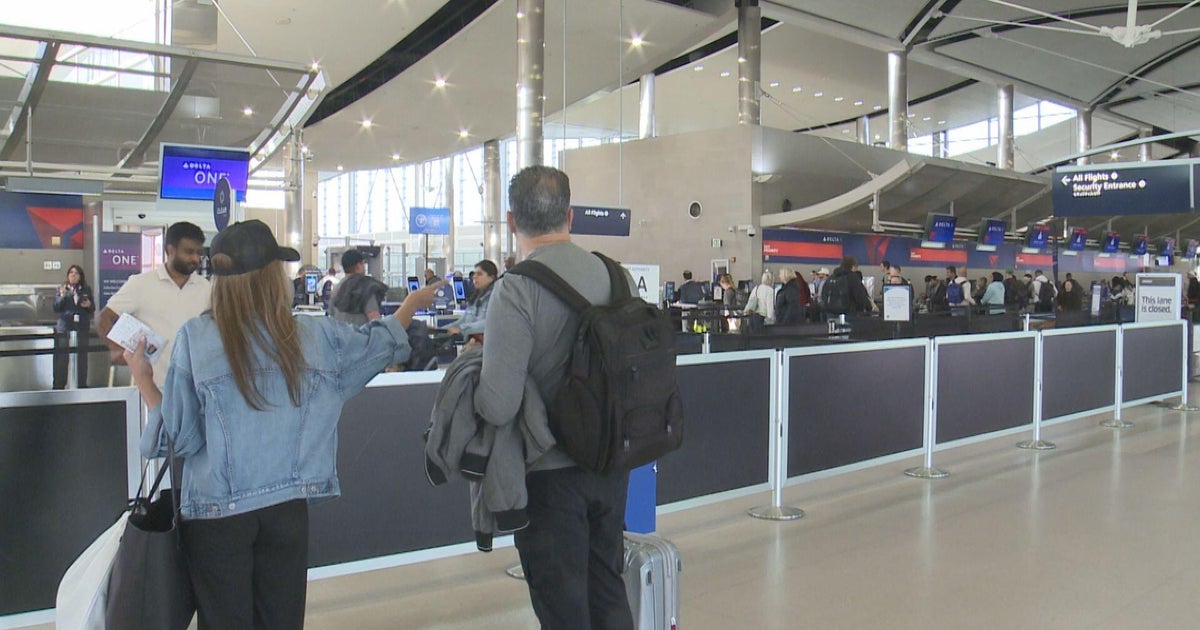
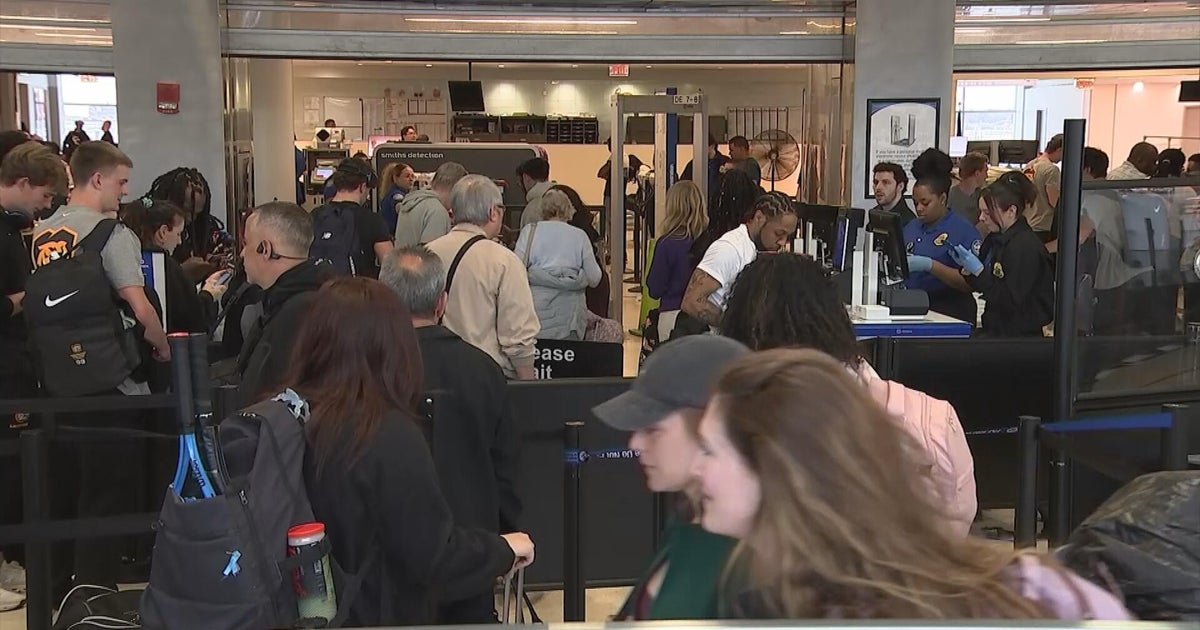
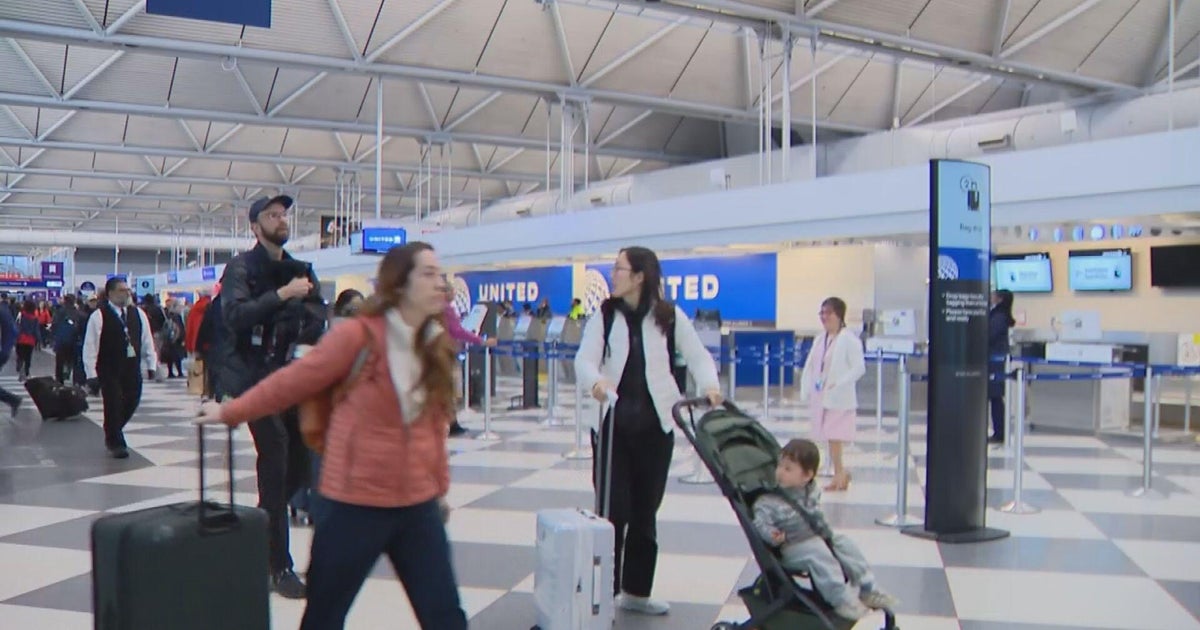
O'Hare is one of the nation's busiest airports, and during the government shutdown, it has barely missed a beat — yet air controllers have missed out on pay.
"As you know, yesterday was our first partial paycheck, so it's really starting to hit home for them."
Drew MacQueen, vice president of the Great Lakes Regional National Air Traffic Controllers Association, said what's hitting the more than 16,000 members nationwide is they're considered essential workers but aren't getting treated as such.
"You would think essential workers would have the responsibility that we do, and carry the responsibility that we do day in and day out, would be paid like essential workers, and we are not," he said.
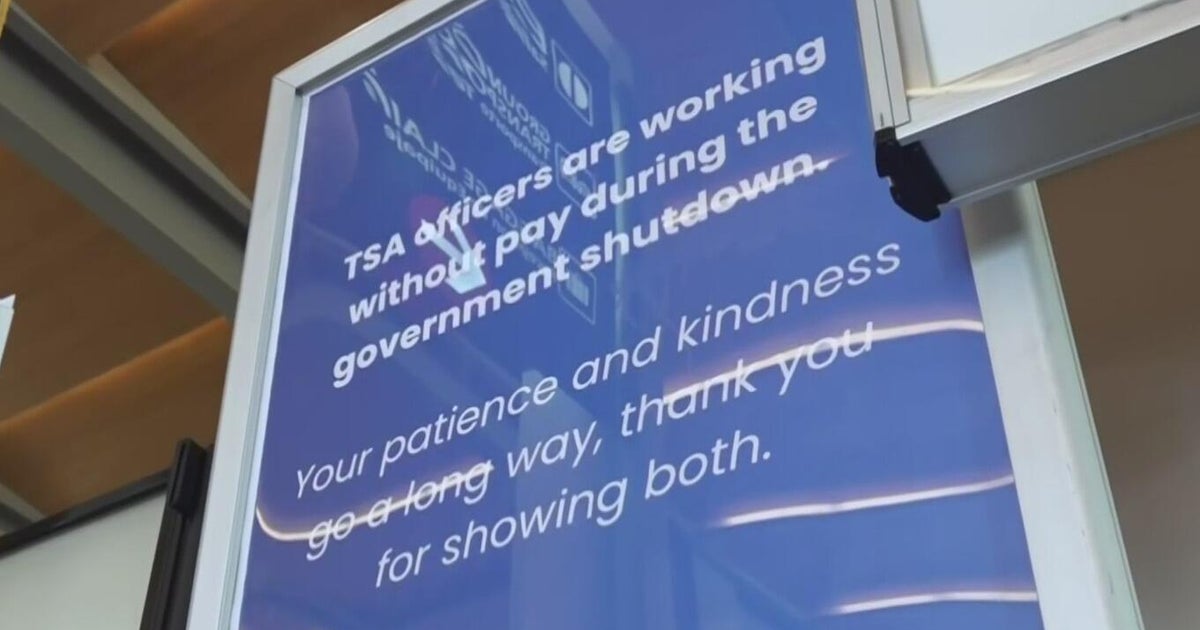
MacQueen and the union were at O'Hare this week, informing flyers that despite the shutdown, they're working. And while controllers legally can't do a sick-out, MacQueen said older workers nearing retirement have opted to call it quits sooner.
"They simply just said, look, I'm not going to wait around. I'm not going to wait around to see if this happens. I'm not going to wait around for the stress, to see if this government shutdown happens, or what happens next. So they simply retire," he said
MacQueen said it puts a strain on an already short workforce.
"You like to see your experienced people stay around to help out, you know, the younger people."
He said the young force is capable, but shutdown has directed them to pick up side gigs for immediate pay.
"I don't think we want to add that added risk into the system of adding more stress, more fatigue onto the nation's air traffic controllers while they've already got a stressful job," he said.
The longest government shutdown was 35 days. While this isn't the longest we've seen yet, MacQueen said what's alarming is that Congress is not even coming back to session to discuss.