Marietta middle schools report academic and behavioral gains after yearlong cellphone ban

Marietta City Schools said a yearlong ban on cellphones in its middle schools is paying off, with district leaders reporting improvements in student focus, classroom behavior, and teacher stress - results now being studied in partnership with Emory University and Children's Healthcare of Atlanta.
For the past year, students have been required to place their phones in magnetic locking pouches from the first bell until they leave campus. The program applies to students at Marietta Sixth Grade Academy and Marietta Middle School, where devices are unlocked only at the end of the day or during emergencies.
District leaders say the policy was developed with input from teachers, parents, and staff and approved unanimously by the school board.
Marietta City Schools is also working with researchers from Emory University and Children's Healthcare of Atlanta to analyze the impact of reduced screen time on students' academic performance, behavior, and emotional well-being. The partnership includes surveys and classroom data intended to help quantify changes in engagement, learning, and social interaction.
While administrators expected resistance, many students say the daily lock-up has not been a setback.
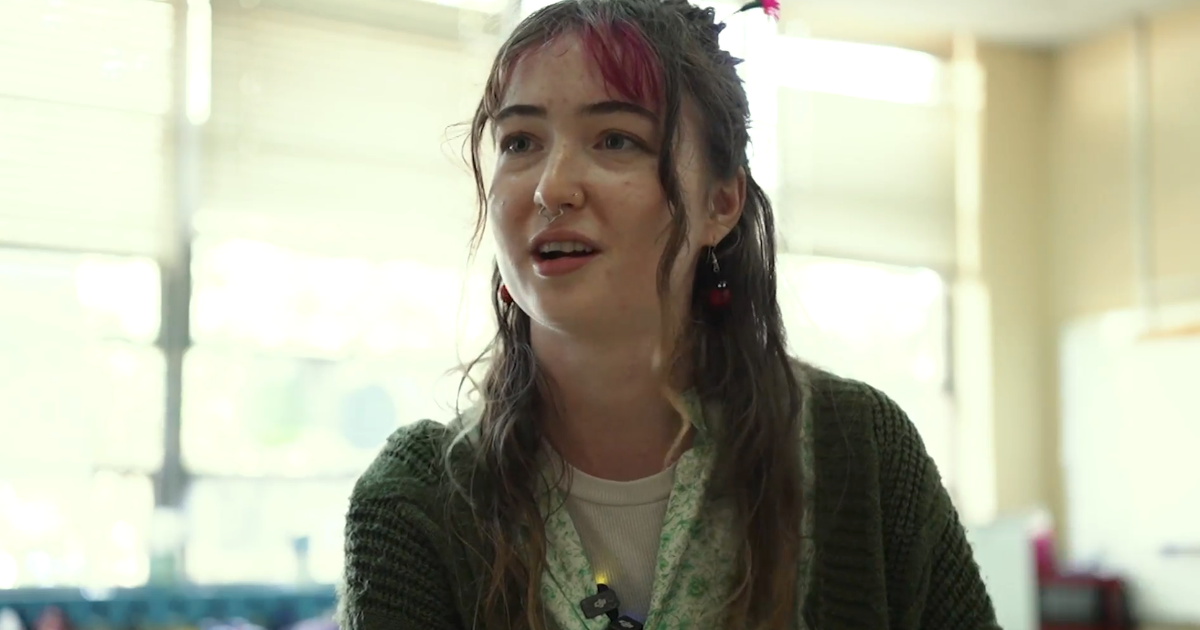
"Yeah, it's kind of annoying you can't be on your phone during school, but we focus, we learn," said Elisha White, a 13-year-old eighth grader.
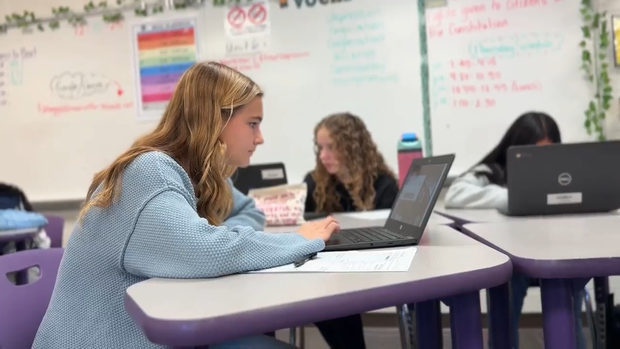
Another eighth grader, Mary Paxton, said the policy has helped students practice communication skills they will need beyond school.
"It brings aspects that we're going to need in everyday life into school life. Like, it's important to be able to talk to a person and make them feel like they're the only one in the room. And with a phone, you're not going to be able to do that if you're looking on Instagram while talking to a person," she said.
Not all students agree.
"I would use it for music so I could focus better, and now that I no longer can do that, my mind is racing constantly. I can't focus on what the teacher is saying half the time," said 13-year-old Jalen Franklin.
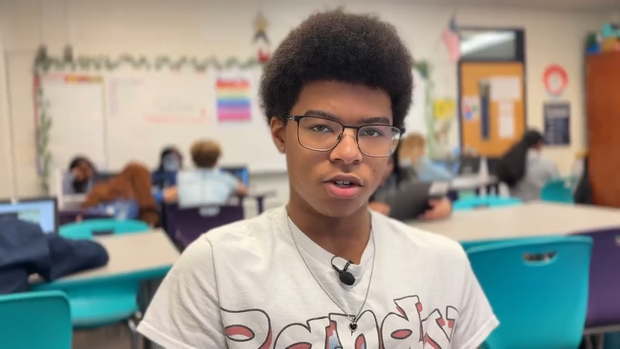
Teachers said the shift has been noticeable.
"The difference has truly been life-changing," said Georgia studies teacher Linda Skaggs. She said the pouches have allowed her to spend less time on discipline and more time teaching.
According to Skaggs, her class's state test scores have increased by an average of nearly 20 points since the policy began.
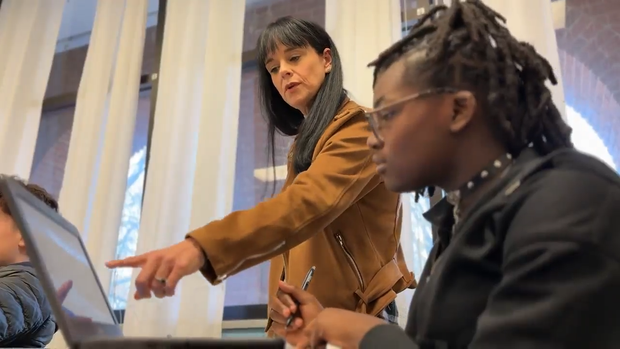
"They're arguing over, you know, a loyalist and a patriot, like it's happening today, where that didn't happen two years ago. Two years ago, they were worried about who they were going to meet up with at the end of the class. So, it just - it makes my heart happy, having them be kids because this is it. This is one of the last years they get to be kids," Skaggs said.
Marietta City Schools Superintendent Grant Rivera said district data mirrors what teachers are reporting.
"Students reported a 22% improvement on their ability to better learn in classrooms. That's out of the mouths of the very kids we're intending to serve. But equally as significant, 100% of our teachers have reported that they feel less stressed and better able to do their jobs," Rivera said.
Rivera said the middle schools have also seen decreases in bullying incidents, disciplinary actions, and requests to leave class.
One of the biggest concerns from parents has been how students would communicate during emergencies. Rivera said the district's approach prioritizes safety and clarity.
"What we have to acknowledge is that we don't need children trying to text their parents. What we need is children listening to the directions of adults in that moment, and we'll keep kids safe," he said.
Rivera said teachers can unlock the pouches once students are safe in the event of an emergency.
With positive changes inside classrooms and more interaction around campus, Rivera said Marietta is using its data - including findings from its research partners - to inform conversations with state leaders about cellphone use in schools.
"Georgia has always been a leader, not a follower, and I encourage our legislators to be brave in their pursuit of doing right by children," Rivera said.
District leaders say Marietta's experience suggests that a real connection can come through louder than any notification.