Father shares son's story, praises APD's efforts to support officer mental health
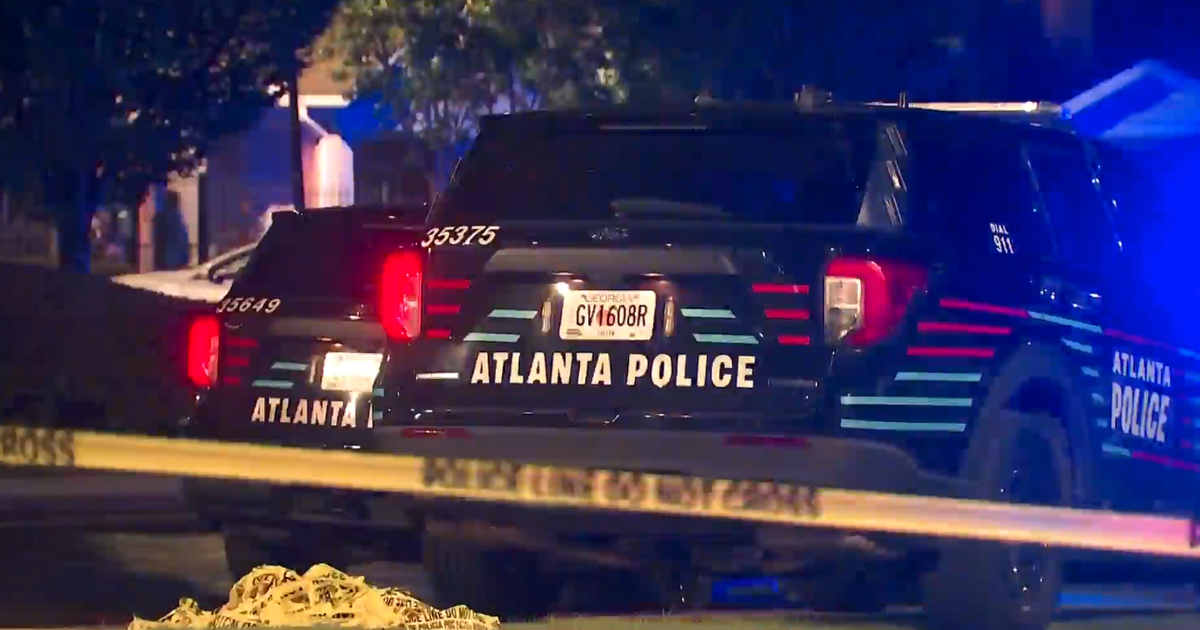
A grieving father is sharing his son's story while praising the Atlanta Police Department for expanding mental health resources for officers — a conversation centered on pressure, trauma and why asking for help can be so difficult.
Lucas Sizemore was just weeks away from starting a new chapter. After moving south from Michigan, the 24-year-old had his keys in hand and was preparing to begin his career as an Atlanta police officer.
"Always lit up the room," said his father, Brian Sizemore. "You know, was a normal, normal child."
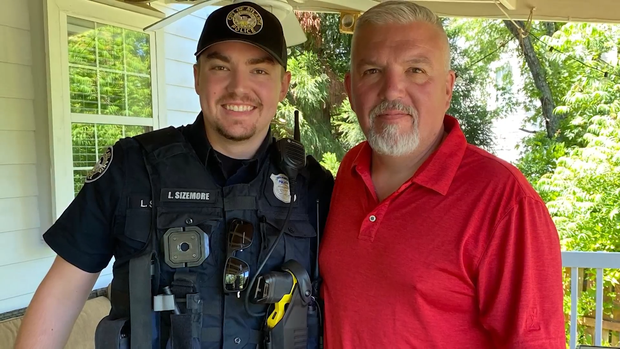
Photos from Lucas' academy graduation show him smiling in uniform, surrounded by fellow officers. His father says that personality helped Lucas connect with people and de-escalate tense situations.
"He liked to prank. He liked to joke around. He liked to have a good time," Brian Sizemore said. "Because he cared. He cared about his community and his coworkers."
Less than a year after realizing his dream, Lucas Sizemore died by suicide — becoming the second Atlanta police officer since 2023 to take his own life.
According to research published by the National Library of Medicine, people working in law enforcement are 54% more likely to die by suicide than those in other professions.
"We think when we put the uniform on that we have an armor that makes us impervious to all life's stresses," said Atlanta Police Chief Darin Schierbaum. "And that's not the case."
APD's wellness response
In response to the mental and emotional toll of policing, the Atlanta Police Department created its Public Safety Behavioral Health Wellness Unit. The unit offers confidential counseling, requires annual wellness checks and provides officers a space to decompress after traumatic calls.
The program is among a small number of similar wellness centers nationwide serving police, fire, emergency and civilian public safety personnel.
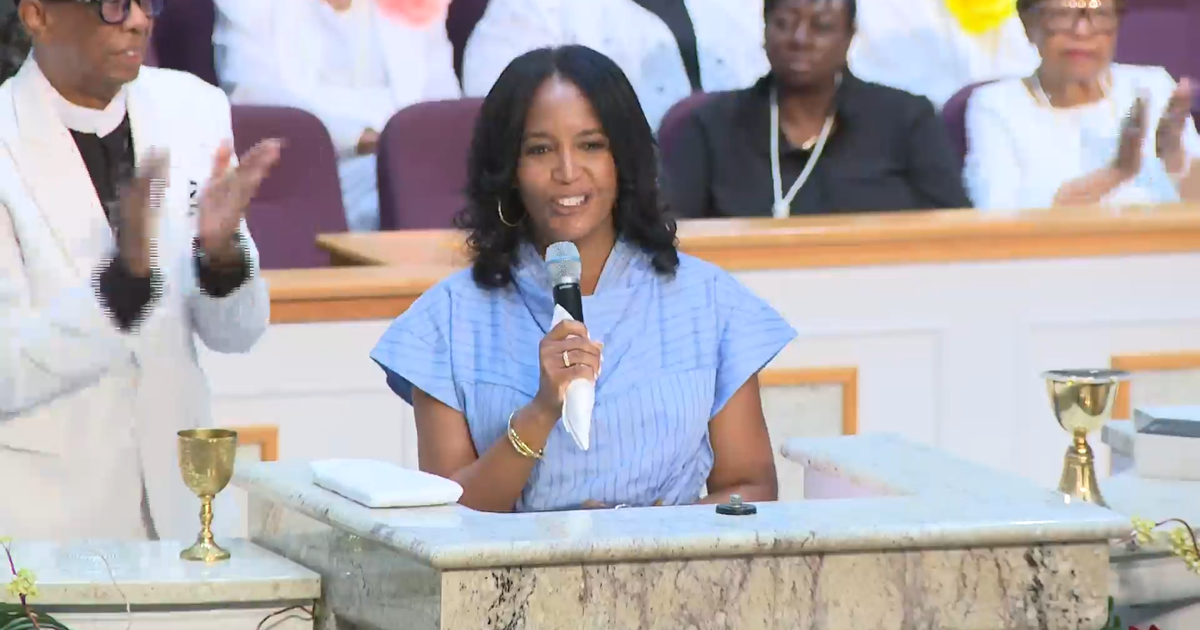
"Here, we want our officers and civilians to utilize this space to calm down, decompress, reset and relax," said Dr. Carla Moore, the city's chief psychological services officer.
Inside the wellness center, officers can access quiet rooms, mindfulness tools and private spaces designed to reduce stress.
"These are adult coloring books," Moore said. "This is about mindfulness — something you can do to really calm the mind."
Another room offers complete privacy.
"People used to call it the scream chamber," Moore said. "They come in here, scream, and make no noise."
A message for officers
Brian Sizemore says police officers are often portrayed as invincible — strong, fearless and always running toward danger — which can make admitting vulnerability even harder.
"That type of person is going to be very reluctant to admit there might be something wrong or that they need help," he said.
For his family, one of the most painful realities is that there were no obvious warning signs.
"Did you see anything?" Sizemore said. "Nothing that pointed to this."
Now, he speaks directly to Atlanta police recruits, sharing his phone number and encouraging them to reach out.
"If you don't talk to somebody and figure out how to empty that bag once in a while, it's going to overflow," he told them.
He says if he had just 30 seconds to talk to his son again, the message would be simple.
"Nothing is that bad," Sizemore said. "If it was the job, quit and come home. If it was a relationship, forget it — come home. You have people that love you and have your back no matter what."
In a profession built on strength, Sizemore says the bravest moment can be admitting you're not okay.
If you need help
If you or someone you know is struggling, help is available. Call or text 988 to reach the Suicide and Crisis Lifeline, available 24 hours a day.