Expert warns Georgia could face repeat election pressure unless voters stay alert: "A blueprint for interference"

A leading expert on democracy says what happened to Georgia during the 2020 election wasn't just chaos — it was a warning. And she says the same playbook could be used again if people don't stay alert.
Wendy Weiser, Vice President for Democracy at the Brennan Center for Justice, spoke with CBS News Atlanta about what she calls a "blueprint for interference" - a pattern of tactics that targeted Georgia, Fulton County, and even individual election workers.
She says none of this is ancient history. It's still happening.
"What happened in Georgia was part of a bigger national plan," Weiser told CBS News Atlanta.
"It was messy and rushed, and it didn't work — but the people behind it learned from the experience."
Georgia became the test case
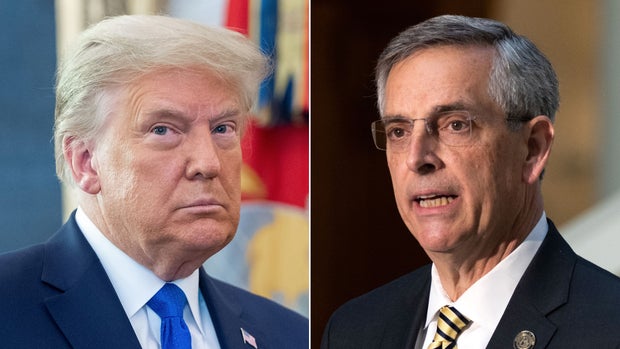
In 2020, former President Trump called Georgia's Secretary of State and asked him to "find 11,780 votes." At the same time, allies of the administration spread false claims about Fulton County election workers and pushed conspiracy theories that spread online like wildfire.
Weiser says Georgia was treated like a "proof of concept" — a place to experiment with ways to change the election outcome.
"Georgia became a testing ground," she said.
"Courts, election workers, and even regular people stepped up and blocked the effort. But the worry is that the next time, it's more organized."
A troubling push for Georgia's voter data
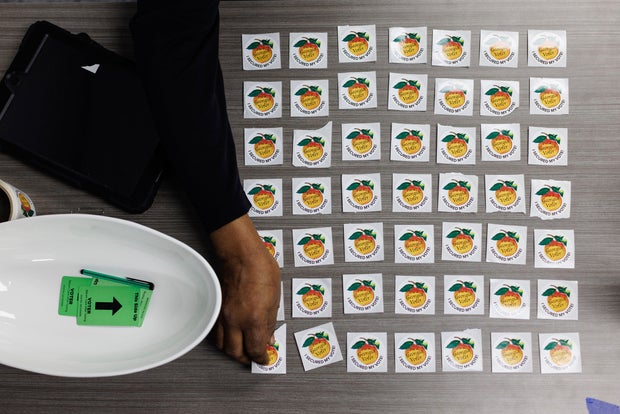
One of the most surprising things Weiser shared is that federal officials have said they're trying to get full, unredacted voter files from all 50 states, including Georgia.
These files include private information like:
- Social Security numbers
- voter history
- driver's license numbers
- home addresses
Most states refused. But some didn't.
"The federal government is not supposed to have all that information in one place," Weiser said.
"It's against state privacy laws, and it's against federal privacy rules."
She also said the Justice Department has now sued states that refused to hand over the data — something she called "unprecedented."
Election workers became targets and that was the point
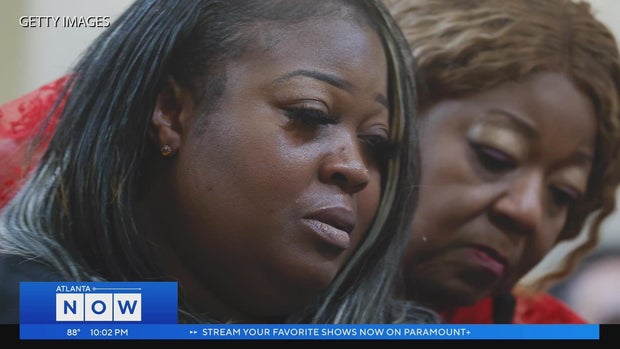
Weiser said one of the most damaging effects of 2020 was the coordinated harassment of election workers, especially in places like Fulton County.
Two Fulton employees were falsely accused of manipulating ballots, and the lies spread worldwide before they could defend themselves.
"We've seen a wave of threats, especially against Black and female election workers," Weiser said.
"Many have quit because they're scared. And that hurts everyone — it makes elections harder to run."
She said the frightening part now is that federal protections for election workers have been scaled back and in some cases, dismantled entirely.
Conspiracy theories as a weapon and what could happen next
Weiser explained how spreading misinformation isn't just about confusing people — it could be used as a reason to justify interfering again.
"If federal officials can convince the public that something is wrong — even if it's not true — they can claim they need to take control," she said.
That could include:
- taking over how votes are counted
- controlling Georgia's voter rolls
- delaying or blocking certification of election results
None of these actions would be legal. But she says if enough people lose trust, the damage could still be done.
"If powerful institutions push conspiracy theories, something might break," she warned.
What Georgia and Fulton County can do right now
When asked what everyday people can do, Weiser didn't hesitate:
"Don't wait for someone else to fix it," she said.
"Support election workers. Volunteer. Speak up when you see lies spreading."
She encouraged Georgians to:
- become poll workers
- help neighbors register to vote
- avoid spreading rumors
- report threats against election staff
- stay informed using reliable sources
Weiser said misinformation thrives when people stay silent.
"There is a flood of false information telling people to give up their voting power," she said. "We can't let that happen. We have to stand together."
Why this matters going into the next elections
Weiser's message is straightforward: Georgia is stronger than it was in 2020 — but the threats are also smarter.
"The same tactics could be used again," she said. "And next time, the plan could be more organized."