
White House hosting UFC fight tonight on Trump's 80th birthday
The UFC is hosting a fight series on the White House South Lawn Sunday night.
Watch CBS News
The UFC is hosting a fight series on the White House South Lawn Sunday night.

An American citizen who served in the Army and the Texas National Guard for roughly 20 years is desperately urging immigration officials to release his wife, who is facing deportation to Honduras.

The U.S. military has killed Niño Guerrero, the alleged leader of Venezuela-based gang Tren de Aragua, President Trump announced Friday.

Paramount Skydance's $110 billion acquisition of Warner Bros. Discovery would not harm U.S. consumers or weaken competition, DOJ antitrust enforcers said.
The FBI executed a search warrant at the office of an Ohio-based group known for its voter registration work as part of an ongoing fraud-related investigation, sources told CBS News.
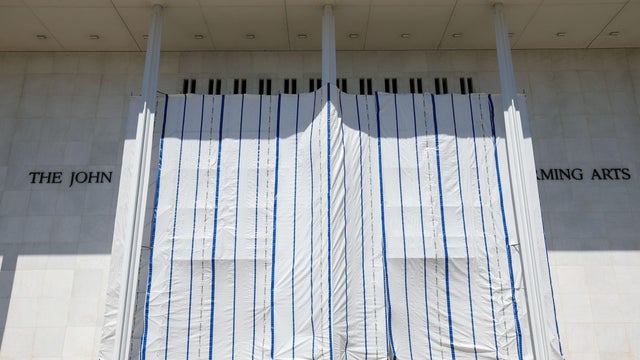
A federal appellate court denied a last-minute attempt by the Trump administration to stop the removal of President Trump's name from the Kennedy Center on Friday.

Military planners have discussed contingencies that would involve U.S. forces helping secure Iran's nuclear materials if a deal is reached, according to U.S. officials familiar with knowledge of the ongoing planning.
Lawmakers have long sounded the alarm about the risks of letting Section 702 expire. But there's debate over what a lapse in the law actually means.

A federal judge on Friday rejected a long-shot effort to block the Ultimate Fighting Championship event set to take place at the White House this weekend.

The Trump administration deported a group of roughly 20 migrants from Afghanistan, Iran and other nations to the Central African Republic, one of the world's poorest countries.
A federal judge continued to block the Justice Department's $1.8 billion "anti-weaponization" fund, expressing skepticism with the administration's claims that the program is not moving forward.
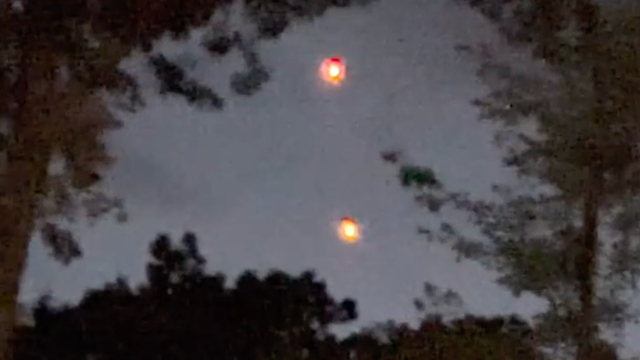
The Pentagon on Friday released a new group of documents and videos related to UFOs, or UAPs, with 72 more documents, images and recordings.
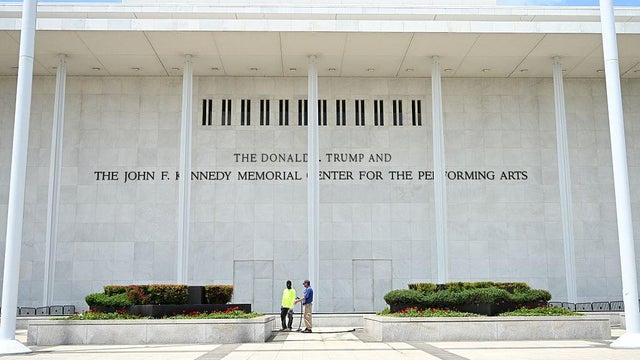
The board move marks a shift from a June 4 memo to staff saying email signatures, letterhead and other documents must reflect the name as "The John F. Kennedy Center for the Performing Arts" or "Kennedy Center."

The signing of the memorandum or letter of intent would kick off 60 days of talks to negotiate details of an enduring U.S.-Iran agreement.
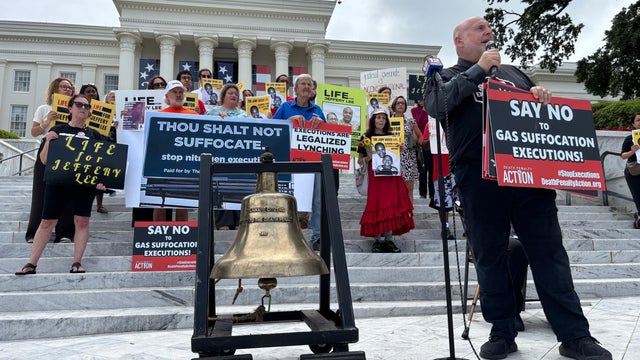
The Supreme Court declined a request from Alabama to move forward with a scheduled execution using nitrogen hypoxia, with Justices Clarence Thomas, Samuel Alito and Neil Gorsuch dissenting.
The UFC is hosting a fight series on the White House South Lawn Sunday night.
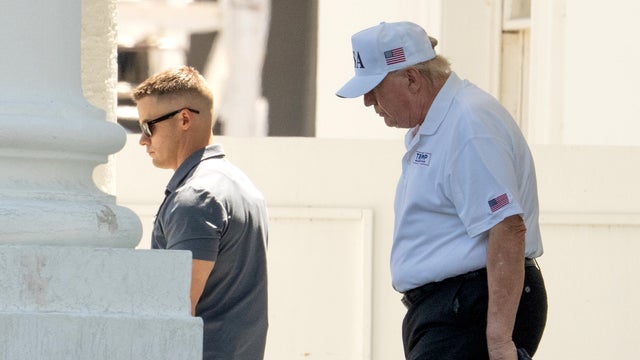
President Trump said the Strait of Hormuz will be reopened "immediately," once the memorandum of understanding is signed.

The New York Knicks captured their first NBA championship in 53 years with a 94-90 win over the San Antonio Spurs in Game 5 of the NBA Finals.
A federal appellate court denied a last-minute attempt by the Trump administration to stop the removal of President Trump's name from the Kennedy Center on Friday.

Earlier this week, a federal judge invalidated the White House's $100,000 H-1B fee policy in response to a lawsuit brought by 20 states.
An American citizen who served in the Army and the Texas National Guard for roughly 20 years is desperately urging immigration officials to release his wife, who is facing deportation to Honduras.

Footwear and soccer balls were among the items taken, the BBC reported, but the theft did not include anything "game-critical."

A pilot survived after a fighter jet crashed into a mountain Saturday afternoon in Yakima County, Washington, sparking a wildfire, officials said.

Mexican authorities are investigating how a corpse ended up outside a stadium in the border city of Tijuana, where Iran's national team has been training for the World Cup.
The UFC is hosting a fight series on the White House South Lawn Sunday night.
A pilot survived after a fighter jet crashed into a mountain Saturday afternoon in Yakima County, Washington, sparking a wildfire, officials said.
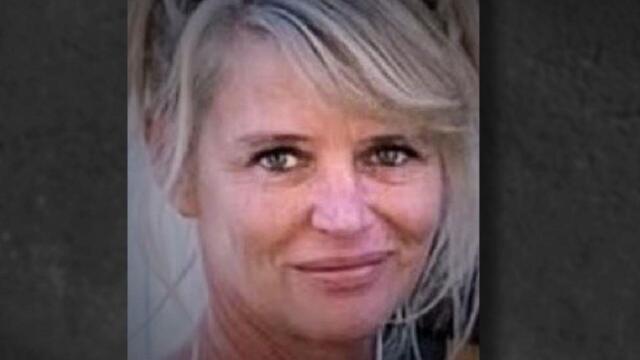
The last words spoken by Angela Prichard, 55, an Iowa wife and mother who called 911 to report she was in danger, was the first clue investigators had to identify her killer.
Earlier this week, a federal judge invalidated the White House's $100,000 H-1B fee policy in response to a lawsuit brought by 20 states.

Ford is recalling more than 250,000 vehicles that were incorrectly repaired under a previous recall meant to fix a problem that caused the engine to stall while driving, according to the National Highway Traffic and Safety Administration.
Earlier this week, a federal judge invalidated the White House's $100,000 H-1B fee policy in response to a lawsuit brought by 20 states.
Paramount Skydance's $110 billion acquisition of Warner Bros. Discovery would not harm U.S. consumers or weaken competition, DOJ antitrust enforcers said.
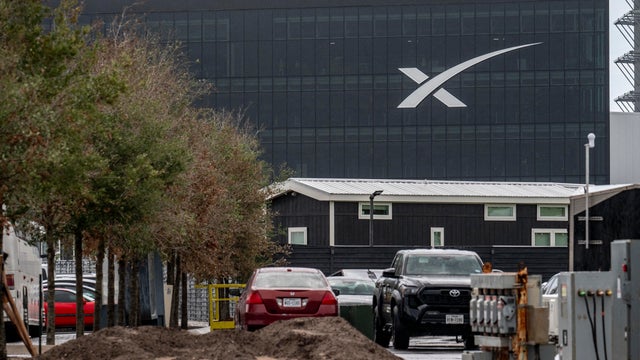
SpaceX's arrival in the region has been good for business, some Brownsville, Texas, residents say, while others rue its impact on the local community.

Juan Hernandez, a former SpaceX employee, owns 6,500 company shares. On the first day of public trading, his wealth ballooned by $1,046,175.

The advent of AI puts a premium on developing skills like critical thinking and communication, according to education experts. The liberal arts can help.
The UFC is hosting a fight series on the White House South Lawn Sunday night.
An American citizen who served in the Army and the Texas National Guard for roughly 20 years is desperately urging immigration officials to release his wife, who is facing deportation to Honduras.
The U.S. military has killed Niño Guerrero, the alleged leader of Venezuela-based gang Tren de Aragua, President Trump announced Friday.
Paramount Skydance's $110 billion acquisition of Warner Bros. Discovery would not harm U.S. consumers or weaken competition, DOJ antitrust enforcers said.
The FBI executed a search warrant at the office of an Ohio-based group known for its voter registration work as part of an ongoing fraud-related investigation, sources told CBS News.
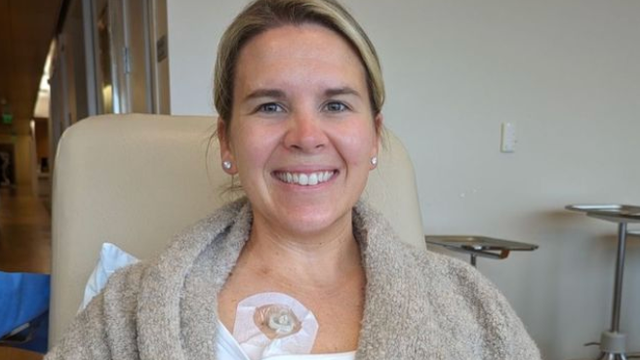
A chance emergency room visit led to Amy Piccoli's diagnosis with late-stage colorectal cancer.
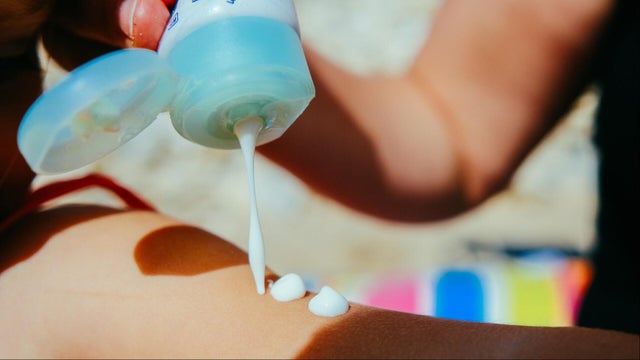
The FDA approved a new ingredient for sunscreen that's been in use in Europe for years. Dr. Jon LaPook has more details.

A sunscreen ingredient that's been available in Europe, Japan and South Korea for years has finally been approved by the FDA for sale in the U.S.
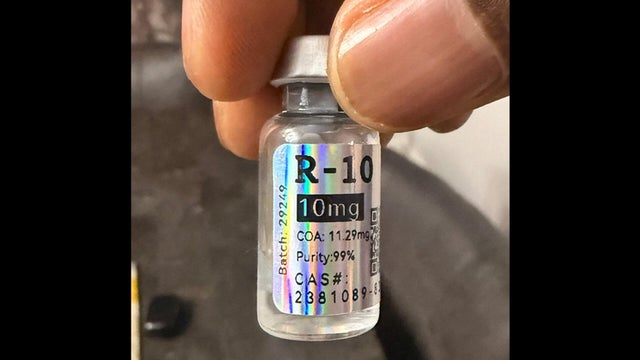
There's a new safety concern about doctors prescribing one experimental weight loss treatment, retatrutide, that hasn't even been FDA approved yet. Adam Yamaguchi reports.
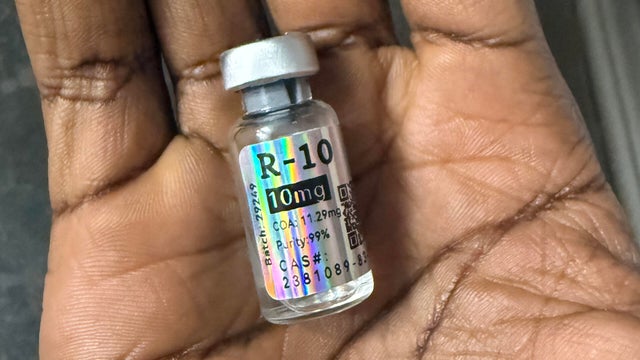
Doctors are jumping the gun to prescribe a medication lacking FDA approval that has gone viral on social media. "Why are we waiting?" one physician asked.
Mexican authorities are investigating how a corpse ended up outside a stadium in the border city of Tijuana, where Iran's national team has been training for the World Cup.

Ukraine's General Staff said that its forces had hit an oil preparation and pumping station overnight in Russia's Volgograd region.

The officers in mascot costumes used a metal sledgehammer to break down a door to enter with colleagues.

James Boyard is the cabinet director of Haiti's Defense Ministry and also serves as inspector general of Haiti's police.
Footwear and soccer balls were among the items taken, the BBC reported, but the theft did not include anything "game-critical."

Young the Giant broke out in 2010 with hits like "My Body" and "Cough Syrup," which boast more than 400 million streams on Spotify. Their latest record, "Victory Garden," is out now. Here's Young the Giant performing "Mind Over Matter."

Young the Giant broke out in 2010 with hits like "My Body" and "Cough Syrup," which boast more than 400 million streams on Spotify. Their latest record, "Victory Garden," is out now. Here's Young the Giant performing "Evergreen."

Young the Giant broke out in 2010 with hits like "My Body" and "Cough Syrup," which boast more than 400 million streams on Spotify. Their latest record, "Victory Garden," is out now. Here's Young the Giant performing "Different Kind of Love."

The Justice Department has given the merger between CBS News' parent company, Paramount Skydance, and Warner Bros. Discovery the green light. CBS News MoneyWatch correspondent Kelly O'Grady has the latest.
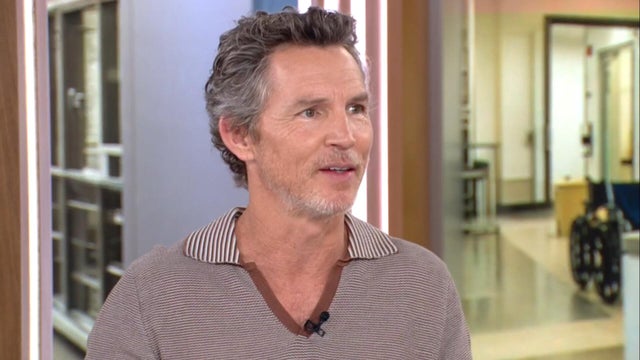
Actor Shawn Hatosy went from guest star to Emmy Award-winning fan favorite as Dr. Jack Abbot on the hit medical drama "The Pitt." Dr. Abbot "is very calm in the face of chaos and he can handle anything, but he's struggling, as is Robby, and they have to come together," Hatosy tells "CBS Mornings."
SpaceX's arrival in the region has been good for business, some Brownsville, Texas, residents say, while others rue its impact on the local community.

Residents near SpaceX's South Texas campus have mixed opinions about Elon Musk's company and its plans to expand operations. CBS News' Jason Allen reports from Starbase, Texas.

From labor shortages to environmental impacts, farmers are looking to AI to help revolutionize the agriculture industry. One California startup, Farm-ng, is tapping into the power of AI and robotics to perform a wide range of tasks, including seeding, weeding and harvesting.
The advent of AI puts a premium on developing skills like critical thinking and communication, according to education experts. The liberal arts can help.

Residents are protesting plans for a 70,000-square-foot data center near the Nashville Zoo. CBS News' Skyler Henry reports.

The Defense Department released a third batch of UFO files on Friday, three weeks after its second drop. These are all of the videos in the latest tranche, plus analysis from astrophysicist Avi Loeb.
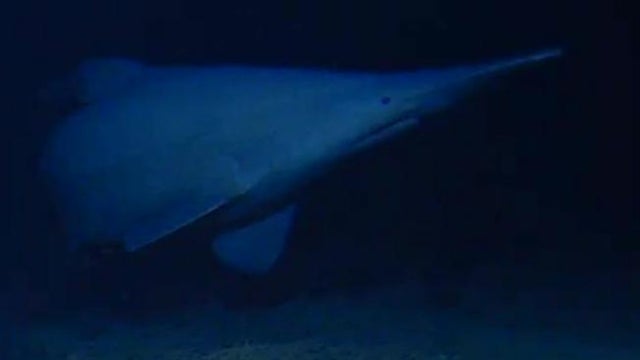
The goblin shark had only previously been seen when caught by fishermen and they died shortly afterward.
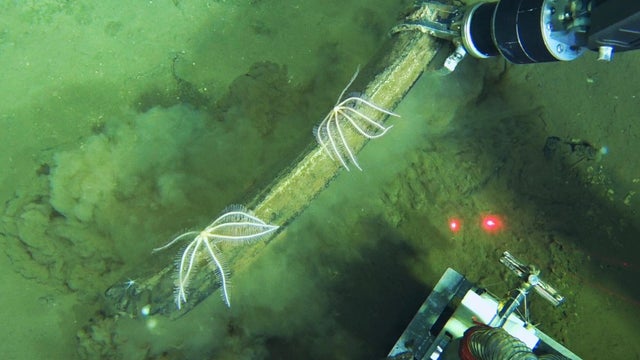
The researchers saw many strange animals — many believed to be new to science — living off the whale carcasses.
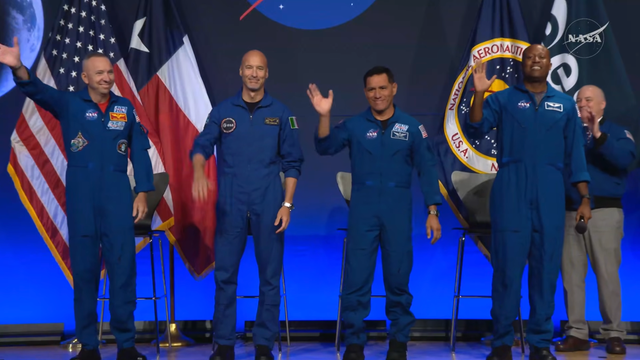
NASA's Artemis III astronauts plan to carry out rendezvous and docking procedures with commercial moon landers being built by SpaceX and Blue Origin.
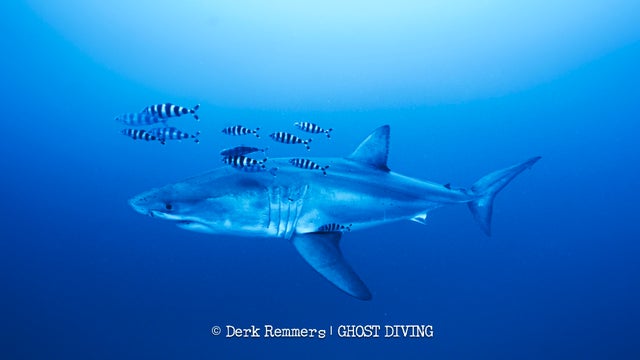
Great white sharks are classified as "critically endangered" in the Mediterranean Sea, and underwater sightings are incredibly rare.
The last words spoken by Angela Prichard, 55, an Iowa wife and mother who called 911 to report she was in danger, was the first clue investigators had to identify her killer.
The officers in mascot costumes used a metal sledgehammer to break down a door to enter with colleagues.
James Boyard is the cabinet director of Haiti's Defense Ministry and also serves as inspector general of Haiti's police.

On Wednesday, a 45-year-old gunman opened fire on police in Midland, Texas, allegedly refusing to surrender to police. He fled, finally barricading himself in an abandoned veterinary building and shooting wildly. All of those shot were civilians. The gunman was found dead on Friday, with the FBI and state agencies investigating. Jason Allen has more.
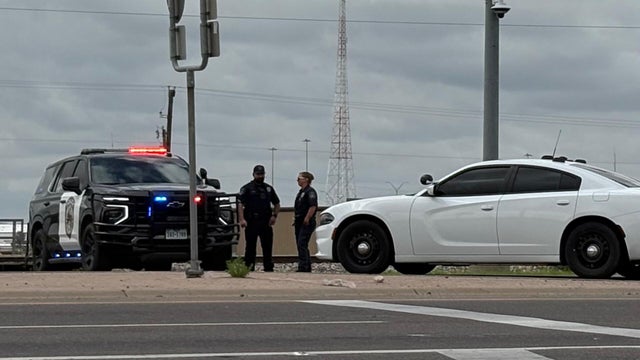
At least one person is dead, and 10 others are injured after a gunman opened fire in Midland, Texas, on Friday. The shooter died after a standoff with police. CBS News correspondent Jason Allen reports.
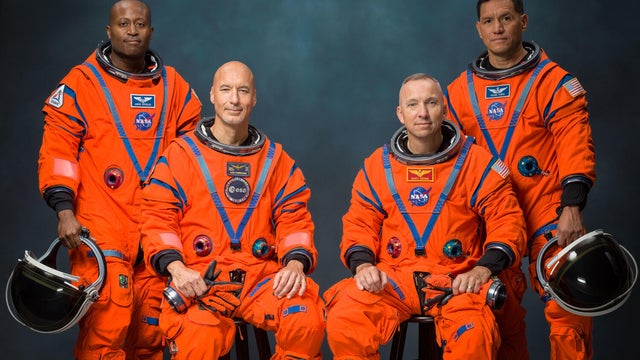
NASA's Jared Isaacman says the crew was selected solely based on their experience, expertise and availability for flight assignment.
NASA's Artemis III astronauts plan to carry out rendezvous and docking procedures with commercial moon landers being built by SpaceX and Blue Origin.

Out of an abundance of caution, NASA briefly directed five of the seven crew members aboard the International Space Station to wait inside the docked SpaceX Crew Dragon "Freedom" spacecraft.

Three solar flares burst from the sun this week, raising the chances of seeing the northern lights for people across the United States.

NASA officials said the $582 million MAVEN orbiter could not be recovered after a problem on the far side of Mars late last year, and that its extraordinarily successful mission was at an end.
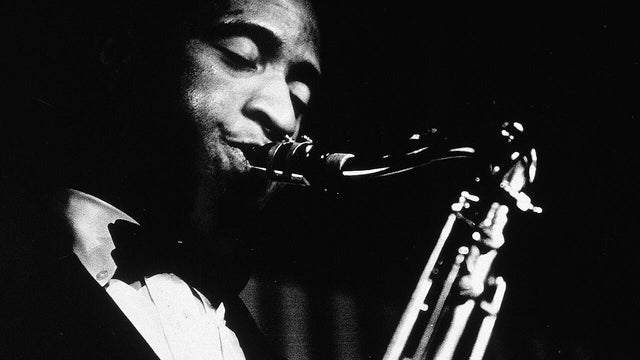
A look back at the esteemed personalities who've left us this year, who'd touched us with their innovation, creativity and humanity.

Summer is the time to enjoy live music, indoors and out. Scroll through our gallery of some of 2026's leading musical acts, featuring images by CBS News photojournalist Jake Barlow and photographers Ed Spinelli and Kirstine Walton.

Does the evidence show a cover-up, or was Todd Kendhammer wrongfully convicted for the murder of his wife?
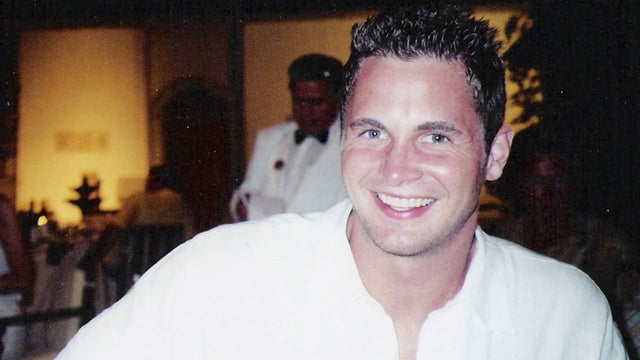
Family seeks answers in death of newlywed who disappeared in 2005 while on Mediterranean honeymoon cruise.

Meet the tattooed beauty charged in the death of Google executive Forrest Hayes.

Opened in 1965, the Astrodome in Houston was billed as the "Eighth Wonder of the World" – an enclosed, air-conditioned stadium with fake grass for major league baseball. But in 1999, when the Astros left for new digs, Houston held a party to celebrate the Dome's past, while seeking other spectacles (monster truck rallies, high-diving stunts, even chariot races) to fill seats. Correspondent Bill Geist covered the Astrodome's history in this Oct. 10, 1999 "Sunday Morning" report.

A woman repeatedly called police for help when she was attacked, stalked, and intimidated by her husband. It didn't stop him from killing her. "48 Hours" contributor Jonathan Vigliotti reports.

Game 5 of the NBA Finals is in San Antonio on Saturday, and the big question is whether the Knicks clinch or the Spurs survive. Game 4 was the most-watched game ever on social media with 3 billion views and counting. Doug Williams reports from San Antonio.
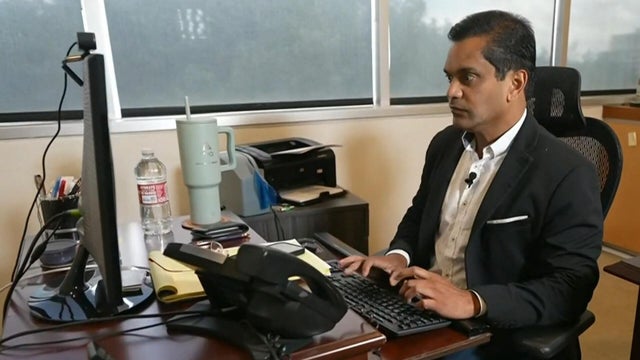
This week, a federal judge struck down the Trump administration's $100,000 fee on new H-1B visas. The much higher fee was intended to prevent foreign workers from taking American jobs. But some business owners say the U.S. depends on that talent. Shanelle Kaul reports.
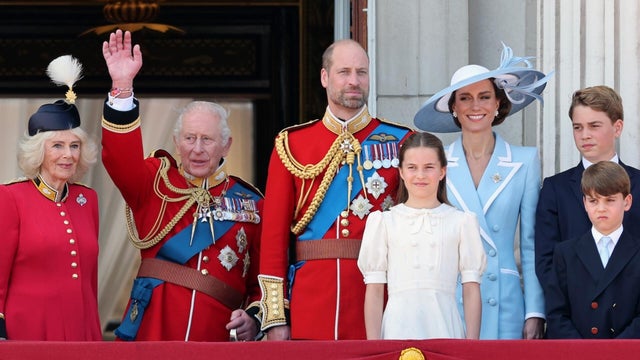
The Royal family gathered on the balcony at Buckingham Palace on Saturday to greet the crowds and watch a Royal Air Force flyover in celebration of the king. Holly Williams has more from London.