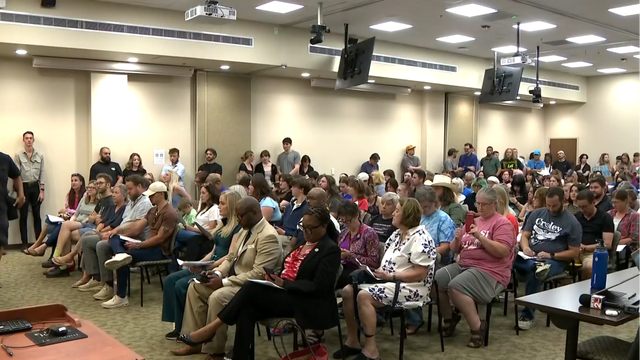
Proposed data center near Nashville Zoo sparks heavy pushback
Residents packed a public hearing in Nashville, Tennessee, on Thursday, looking to stop a nearly 70,000-square-foot data center from being built near the Nashville Zoo.
Watch CBS News

Weeknights 6:30PM ET on CBS
10PM ET on the CBS News app
Residents packed a public hearing in Nashville, Tennessee, on Thursday, looking to stop a nearly 70,000-square-foot data center from being built near the Nashville Zoo.

According to a recent survey, 71% of U.S. public school teachers said they work at least one second job.
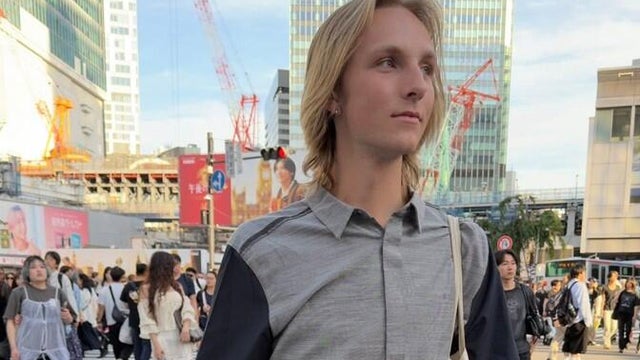
James "Weston" Higginbotham, an Auburn University student, went missing last week in Japan after his family says he went to an area near Kyoto known for its hiking trails.
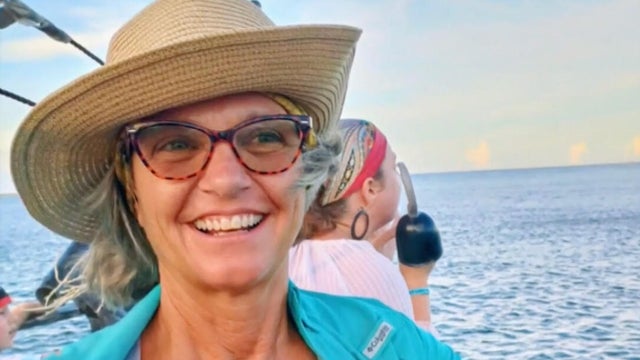
According to an official familiar with the investigation, new digital forensic evidence appears to undercut Brian Hooker's account of his wife's disappearance, although they did not specify how.

"You come first," declares the new anchor of the Evening News. "Not advertisers. Not politicians. Not corporate interests — including the new owners of CBS."

Steve Hartman goes "On the Road" again with a pair of twins, who aren't really twins. Just don't try to tell them that.

SpaceX's market debut made Elon Musk a trillionaire on Friday. The company has also minted thousands of new millionaires. Jo Ling Kent reports.

Both the U.S. and Iran said they are closing in on a final agreement that could be signed as soon as Sunday or Monday. It could launch further talks to wind down Iran's nuclear ambitions, reopen the Strait of Hormuz and end months of military hostilities. Ed O'Keefe has more.
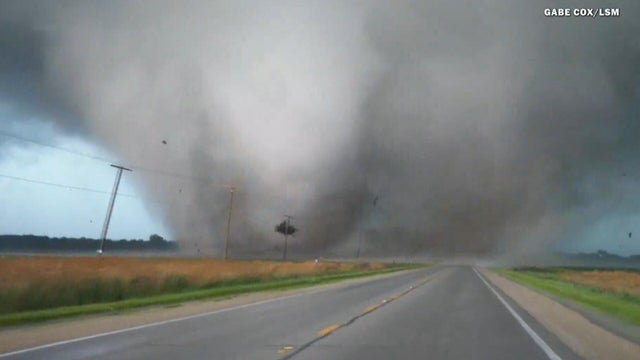
Nearly 80 million people in the U.S. are still facing the threat of powerful storms, and about the same number are sweltering in brutal heat. Lana Zak reports from the hard-hit town of Streator in central Illinois, and Eric Fisher has the forecast.

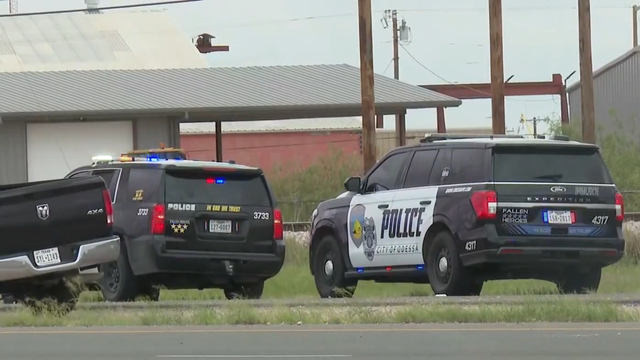
On Wednesday, a 45-year-old gunman opened fire on police in Midland, Texas, allegedly refusing to surrender to police. He fled, finally barricading himself in an abandoned veterinary building and shooting wildly. All of those shot were civilians. The gunman was found dead on Friday, with the FBI and state agencies investigating. Jason Allen has more.

The U.S. calls it soccer, much of the world calls it football, but everybody calls it the World Cup. It's bigger than ever, and on Friday night, the competition returns to American shores as the U.S. takes on Paraguay. Nicole Valdes has more from Inglewood, California.

Severe weather broke out in the Midwest on Thursday, day three of a multi-day threat. More than 120 million people are in the path of potentially dangerous storms. In Des Moines, a man was killed after a tree broke apart and fell on him as storms passed through. Rob Marciano reports and has the forecast.

SpaceX is set to go public on Friday in what's expected to be the largest IPO in history, a move that could make Elon Musk a trillionaire and create thousands of new millionaires inside the company. Jo Ling Kent reports.
A shooting in Texas kills at least one and injures 10; tornadoes tear through the Midwest, leaving widespread damage.

President Trump cancels the third day of strikes against Iran; Trump says a peace deal with Iran will be "finalized" soon.
Steve Hartman goes "On the Road" again with a pair of twins, who aren't really twins. Just don't try to tell them that.
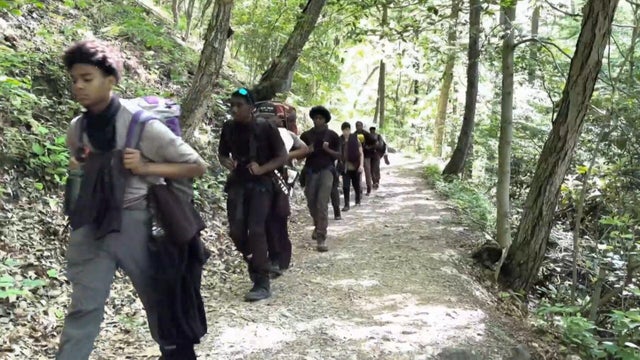
For more than five decades, St. Benedict's Preparatory School in Newark, New Jersey, has required its freshmen to go on a mandatory five-day, 55-mile hike on the Appalachian Trail. Steve Hartman explains why in "On the Road."

Steve Hartman goes "On the Road," following the story of a dog who was left at a Fort Worth, Texas, firehouse.

Schools teach kids how to read, write and do math. But what about a class on how to be kind? In some places, it is. Steve Hartman goes "On the Road" with the story.

58-year-old David White retired after 33 years in education, the last 15 spent as an elementary school principal in Atlanta. But after "just hanging out with the cat," he decided to go back to school as a handyman. Steve Hartman goes "On the Road" with the story.

Twenty-six-year-old Ana Duarte said that as a child, she and her mother were homeless in Florida. Now, she has found an apartment for her and her mom. Steve Hartman has the story.

The largest wildfire in Nebraska history burned about a thousand square miles of ranchland, including the Wintz's entire 11,000-acre ranch. When they and others faced the threat of losing their livelihoods, thousands of anonymous donors stepped up from across the U.S.
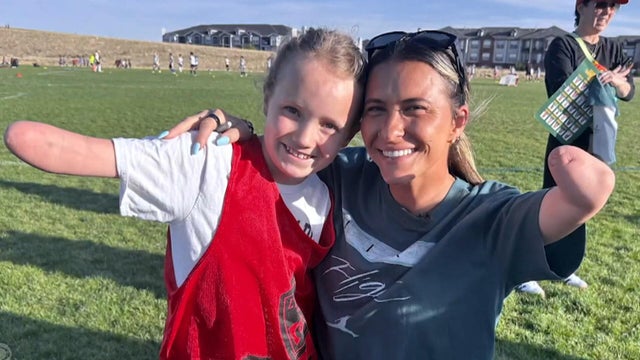
Nine-year-old Hayden Stine was born without most of her right arm. When she went to a Denver Summit women's soccer home opener, she saw a player, Carson Pickett, just like her. Steve Hartman goes "On the Road" with a story about the importance of role models.

George Strausman of Great Neck, New York, is 102 years old and still works four days a week in his family's construction business. But it's what he does on his day off that is even more remarkable. Steve Hartman has his story in "On the Road."

Footwear and soccer balls were among the items taken, the BBC reported, but the theft did not include anything "game-critical."

President Trump issued an executive order in March 2025 ordering national parks to not display elements that "inappropriately disparage Americans past or living."

The U.S. men's national soccer team made easy work of Paraguay in its World Cup opener Friday, defeating the South American side 4-1 at SoFi Stadium.

The incident occurred Friday night during an outdoor service at East Lake Community Church in Moneta, Virginia.

The U.S. military has killed Niño Guerrero, the alleged leader of Venezuela-based gang Tren de Aragua, President Trump announced Friday.

Paramount Skydance's $110 billion acquisition of Warner Bros. Discovery would not harm U.S. consumers or weaken competition, DOJ antitrust enforcers said.

SpaceX's arrival in the region has been good for business, some Brownsville, Texas, residents say, while others rue its impact on the local community.

Juan Hernandez, a former SpaceX employee, owns 6,500 company shares. On the first day of public trading, his wealth ballooned by $1,046,175.

The advent of AI puts a premium on developing skills like critical thinking and communication, according to education experts. The liberal arts can help.

Nitenpyram is the first generic animal drug authorized to treat screwworms in dogs and cats, according to federal regulators.

An American citizen who served in the Army and the Texas National Guard for roughly 20 years is desperately urging immigration officials to release his wife, who is facing deportation to Honduras.
The U.S. military has killed Niño Guerrero, the alleged leader of Venezuela-based gang Tren de Aragua, President Trump announced Friday.
Paramount Skydance's $110 billion acquisition of Warner Bros. Discovery would not harm U.S. consumers or weaken competition, DOJ antitrust enforcers said.
The FBI executed a search warrant at the office of an Ohio-based group known for its voter registration work as part of an ongoing fraud-related investigation, sources told CBS News.

A federal appellate court denied a last-minute attempt by the Trump administration to stop the removal of President Trump's name from the Kennedy Center on Friday.
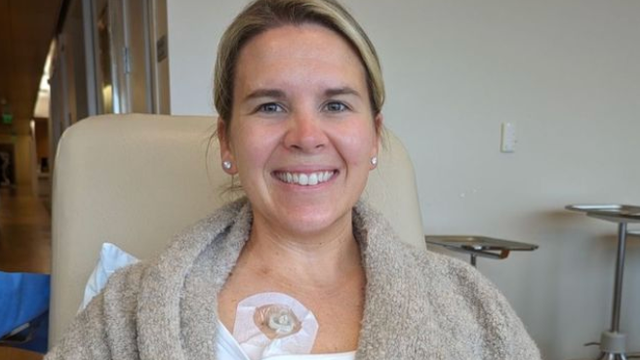
A chance emergency room visit led to Amy Piccoli's diagnosis with late-stage colorectal cancer.
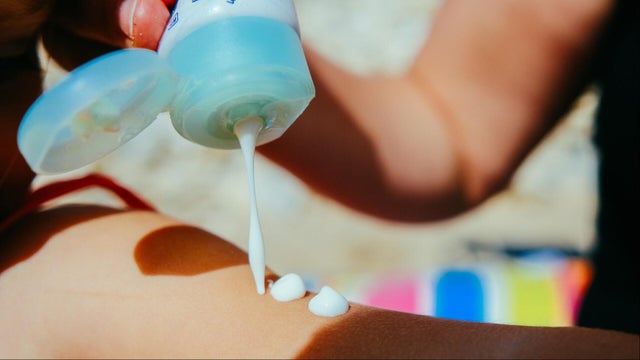
The FDA approved a new ingredient for sunscreen that's been in use in Europe for years. Dr. Jon LaPook has more details.

A sunscreen ingredient that's been available in Europe, Japan and South Korea for years has finally been approved by the FDA for sale in the U.S.

There's a new safety concern about doctors prescribing one experimental weight loss treatment, retatrutide, that hasn't even been FDA approved yet. Adam Yamaguchi reports.

Doctors are jumping the gun to prescribe a medication lacking FDA approval that has gone viral on social media. "Why are we waiting?" one physician asked.

The officers in mascot costumes used a metal sledgehammer to break down a door to enter with colleagues.

James Boyard is the cabinet director of Haiti's Defense Ministry and also serves as inspector general of Haiti's police.
Footwear and soccer balls were among the items taken, the BBC reported, but the theft did not include anything "game-critical."

Lifeguard Charlie Verco said he was on his paddleboard when he saw the 11-foot shark emerge and attack a swimmer.

Military planners have discussed contingencies that would involve U.S. forces helping secure Iran's nuclear materials if a deal is reached, according to U.S. officials familiar with knowledge of the ongoing planning.

The White House is readying for Sunday's UFC event as questions remain over peace negotiations with Iran. Plus, the U.S. dominated Paraguay 4-1 in the team's first World Cup game.

Young the Giant broke out in 2010 with hits like "My Body" and "Cough Syrup," which boast more than 400 million streams on Spotify. Their latest record, "Victory Garden," is out now. Here's Young the Giant performing "Mind Over Matter."

Young the Giant broke out in 2010 with hits like "My Body" and "Cough Syrup," which boast more than 400 million streams on Spotify. Their latest record, "Victory Garden," is out now. Here's Young the Giant performing "Evergreen."

Young the Giant broke out in 2010 with hits like "My Body" and "Cough Syrup," which boast more than 400 million streams on Spotify. Their latest record, "Victory Garden," is out now. Here's Young the Giant performing "Different Kind of Love."

The Justice Department has given the merger between CBS News' parent company, Paramount Skydance, and Warner Bros. Discovery the green light. CBS News MoneyWatch correspondent Kelly O'Grady has the latest.
SpaceX's arrival in the region has been good for business, some Brownsville, Texas, residents say, while others rue its impact on the local community.

Residents near SpaceX's South Texas campus have mixed opinions about Elon Musk's company and its plans to expand operations. CBS News' Jason Allen reports from Starbase, Texas.

From labor shortages to environmental impacts, farmers are looking to AI to help revolutionize the agriculture industry. One California startup, Farm-ng, is tapping into the power of AI and robotics to perform a wide range of tasks, including seeding, weeding and harvesting.
The advent of AI puts a premium on developing skills like critical thinking and communication, according to education experts. The liberal arts can help.

Residents are protesting plans for a 70,000-square-foot data center near the Nashville Zoo. CBS News' Skyler Henry reports.

The Defense Department released a third batch of UFO files on Friday, three weeks after its second drop. These are all of the videos in the latest tranche, plus analysis from astrophysicist Avi Loeb.

The goblin shark had only previously been seen when caught by fishermen and they died shortly afterward.

The researchers saw many strange animals — many believed to be new to science — living off the whale carcasses.
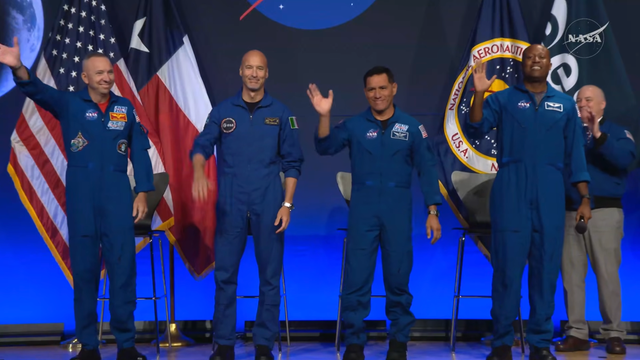
NASA's Artemis III astronauts plan to carry out rendezvous and docking procedures with commercial moon landers being built by SpaceX and Blue Origin.
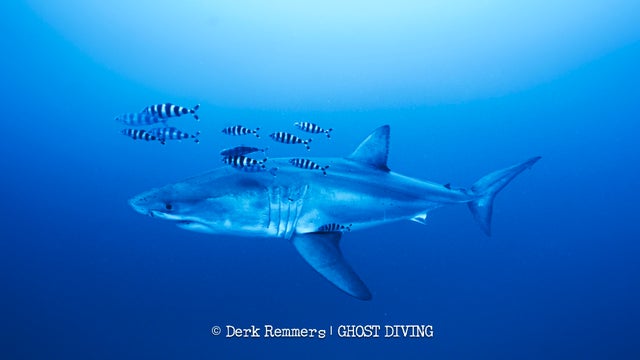
Great white sharks are classified as "critically endangered" in the Mediterranean Sea, and underwater sightings are incredibly rare.
The officers in mascot costumes used a metal sledgehammer to break down a door to enter with colleagues.
James Boyard is the cabinet director of Haiti's Defense Ministry and also serves as inspector general of Haiti's police.
On Wednesday, a 45-year-old gunman opened fire on police in Midland, Texas, allegedly refusing to surrender to police. He fled, finally barricading himself in an abandoned veterinary building and shooting wildly. All of those shot were civilians. The gunman was found dead on Friday, with the FBI and state agencies investigating. Jason Allen has more.
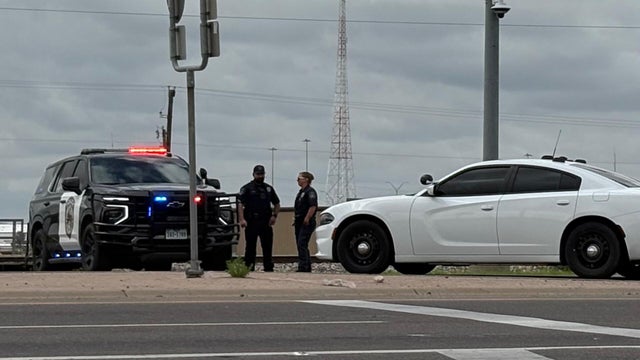
At least one person is dead, and 10 others are injured after a gunman opened fire in Midland, Texas, on Friday. The shooter died after a standoff with police. CBS News correspondent Jason Allen reports.
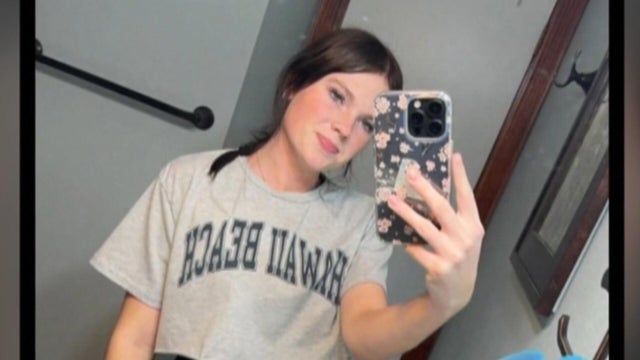
Timothy Hudson, 16, has been charged with the death and sexual assault of his stepsister, Anna Kepner, who was on a Carnival cruise ship with her family when she was killed. Hudson's step-grandmother, Sonya Ziske, spoke to CBS News about Kepner's death, blaming parental irresponsibility as a major factor. CBS News' Cristian Benavides reports.
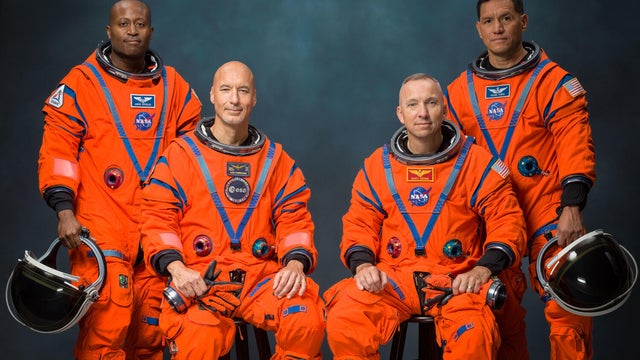
NASA's Jared Isaacman says the crew was selected solely based on their experience, expertise and availability for flight assignment.
NASA's Artemis III astronauts plan to carry out rendezvous and docking procedures with commercial moon landers being built by SpaceX and Blue Origin.

Out of an abundance of caution, NASA briefly directed five of the seven crew members aboard the International Space Station to wait inside the docked SpaceX Crew Dragon "Freedom" spacecraft.

Three solar flares burst from the sun this week, raising the chances of seeing the northern lights for people across the United States.

NASA officials said the $582 million MAVEN orbiter could not be recovered after a problem on the far side of Mars late last year, and that its extraordinarily successful mission was at an end.

A look back at the esteemed personalities who've left us this year, who'd touched us with their innovation, creativity and humanity.

Summer is the time to enjoy live music, indoors and out. Scroll through our gallery of some of 2026's leading musical acts, featuring images by CBS News photojournalist Jake Barlow and photographers Ed Spinelli and Kirstine Walton.

Does the evidence show a cover-up, or was Todd Kendhammer wrongfully convicted for the murder of his wife?
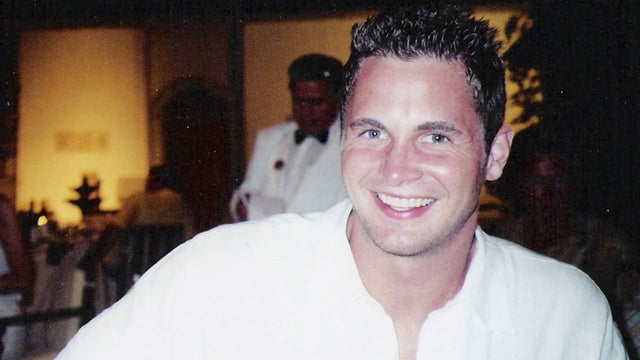
Family seeks answers in death of newlywed who disappeared in 2005 while on Mediterranean honeymoon cruise.

Meet the tattooed beauty charged in the death of Google executive Forrest Hayes.
The White House is readying for Sunday's UFC event as questions remain over peace negotiations with Iran. Plus, the U.S. dominated Paraguay 4-1 in the team's first World Cup game.

Jon Sybert and Jill Tyler opened up Rye Bunny in the Adams Morgan neighborhood of Washington, D.C., after closing their acclaimed Michelin-starred restaurant, Tail Up Goat, when its lease ended. "CBS Saturday Morning" goes inside one of the city's most popular spots for an experience akin to a dinner party.
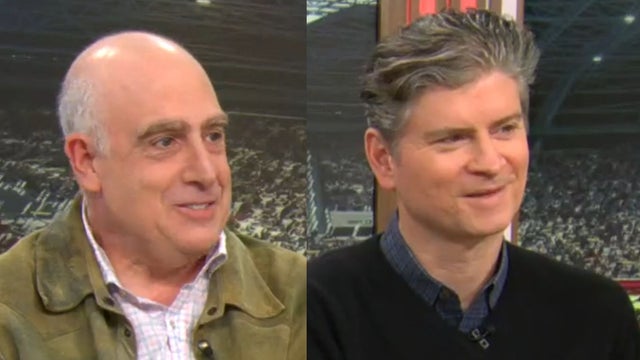
Sportswriter Joe Posnanski and television writer Michael Schur were brought together by their love of sports, so they decided to travel around the world to collect more stories of fandom. The two sit down with "CBS Saturday Morning" to discuss their book, "Big Fan: Two Friends, 82,490 Miles, and the Wild, Wonderful Sports We Love."
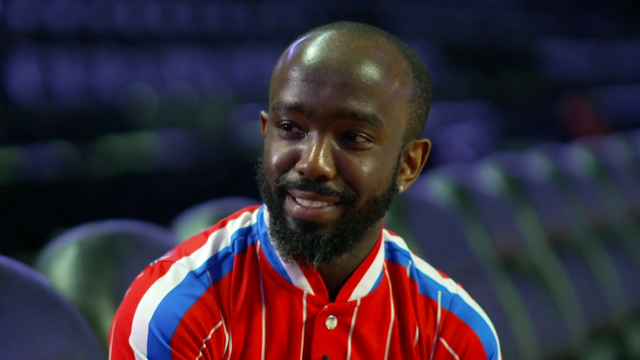
Jahmani Swanson, known as "Hot Shot" sat down with "CBS Saturday Morning" to talk about playing for the Harlem Globetrotters as the organization celebrates its 100th anniversary.
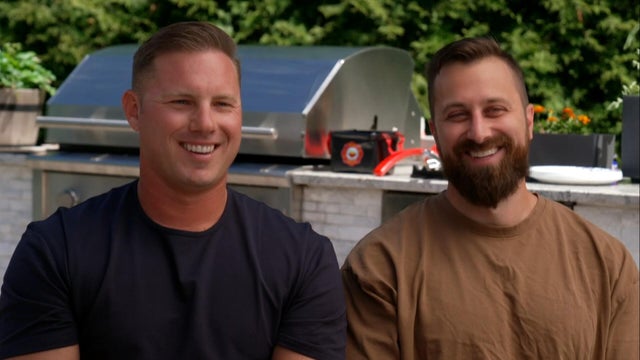
Earlier this year, more than 13 million grill brushes were recalled after multiple injuries were reported from wire bristles breaking off. Firefighter Scott Mobley and Anthony Tranchida partnered up to create a bristle-free brush that uses steam to clean your grill, and "CBS Saturday Morning" gets a first-hand look at how it works just in time for Father's Day. (Sponsored by Grill Rescue)