Poll: Most Americans disapprove of Iran war
As U.S. and Israeli strikes on Iran continue, new CBS News polling shows that most Americans disapprove. CBS News executive director of elections and surveys Anthony Salvanto has the numbers.
Watch CBS News
As U.S. and Israeli strikes on Iran continue, new CBS News polling shows that most Americans disapprove. CBS News executive director of elections and surveys Anthony Salvanto has the numbers.
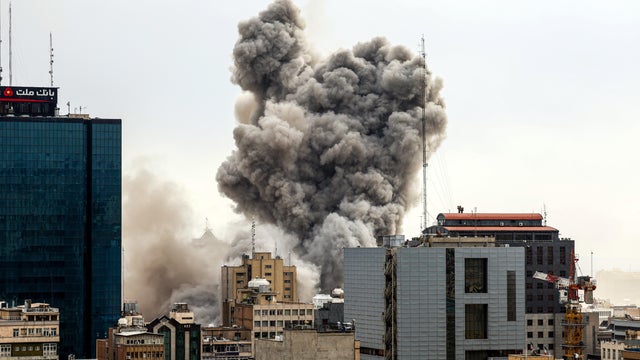
Many see the Iran conflict lasting at least months. A majority oppose it, and more say it makes the U.S. less safe.
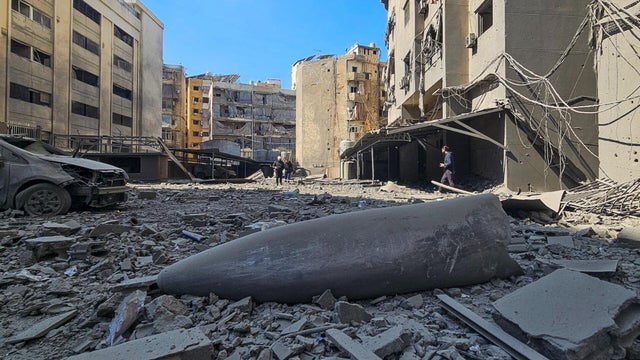
The U.S. is pushing its citizens to leave the Middle East, citing "serious safety risks" amid ongoing retaliatory strikes from Iran. CBS News foreign correspondent Ramy Inocencio has the latest.
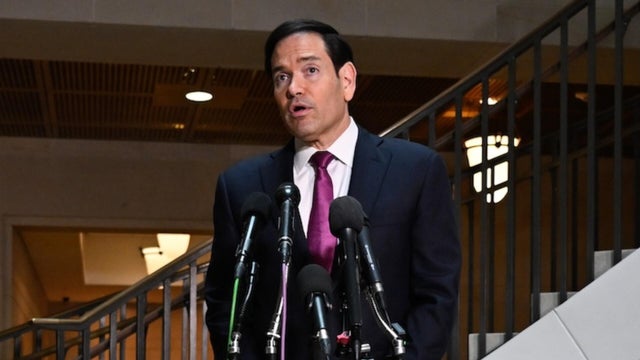
The Trump administration revealed more of its rationale behind striking Iran in a joint operation with Israel. While President Trump laid out his objectives for the war on Monday ahead of a medal ceremony at the White House, Secretary of State Marco Rubio told reporters later that the strikes were based on Israel's pre-planned action against Iran. CBS News chief White House reporter Weijia Jiang has the latest.
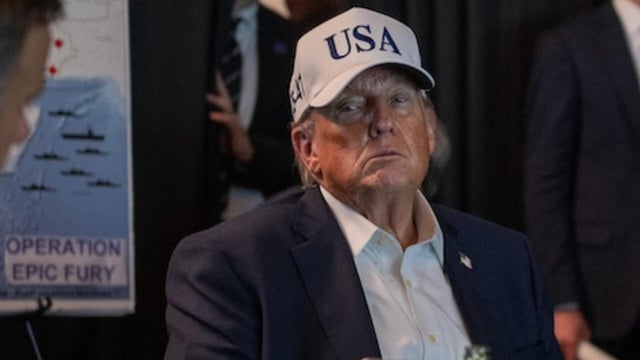
At his first public event on Monday since the start of the Iran war, President Trump said the war will continue until Iran's missile capabilities, nuclear ambitions and navy are all destroyed. He justified the attacks' timing, citing Iran's ballistic missile capability. But Democrats who have been briefed on the military operation are challenging the justification. Weijia Jiang reports.
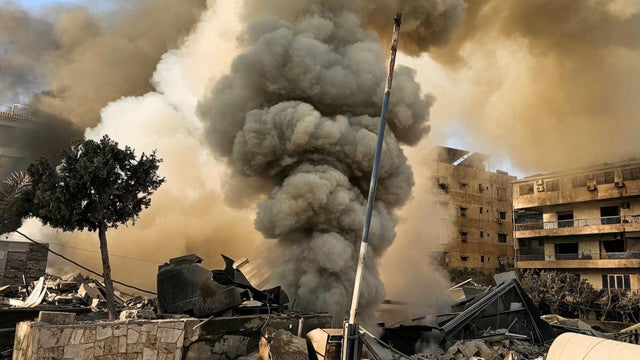
The U.S.-Israeli war against Iran enters its fourth day with the conflict widening as Iran fires drones and missiles at 11 countries in the region and Israel announcing the deployment of ground forces into southern Lebanon. Matt Gutman reports.
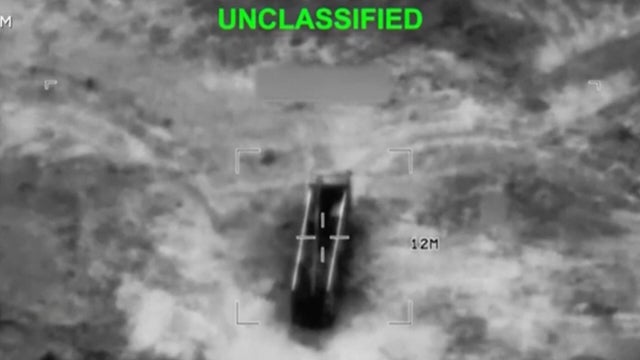
Marc Caputo, a senior political reporter for Axios, joins CBS News 24/7 to discuss the latest details on the timeline of the U.S.-Israeli strikes against Iran. Also, CBS News Middle East reporter Courtney Kealy has more on the reactions from inside Iran.
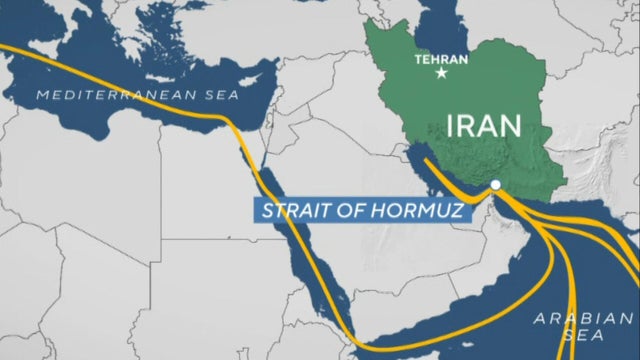
The U.S.-Israeli military strikes on Iran and counterattacks from the Iranian government threaten to destabilize economies across the world. CBS News national security contributor Sam Vinograd and "CBS Saturday Morning" co-host Kelly O'Grady speak about the security and economic impacts.
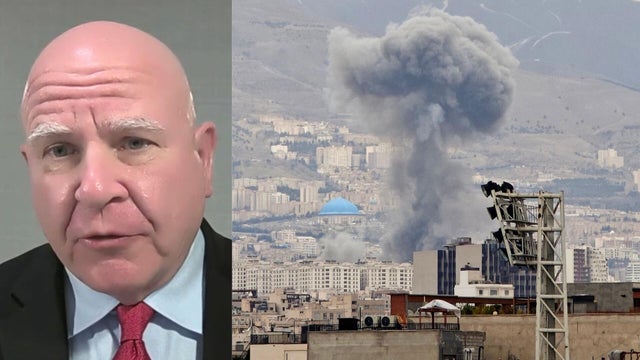
CBS News contributor H.R. McMaster, a former Army lieutenant general and former national security adviser in President Trump's first term, joins "CBS Mornings" to break down the latest on the conflict in Iran.
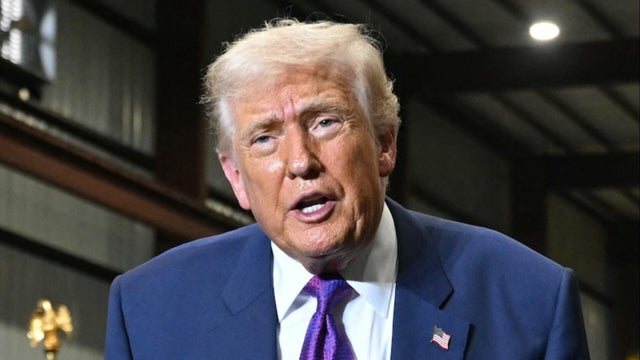
President Trump posted an update on social media about the operation in Iran, saying it "will continue until all of our objectives are achieved." The president also spoke about the U.S. service members killed, offering condolences, but also warning to expect more U.S. casualties. Weijia Jiang reports.
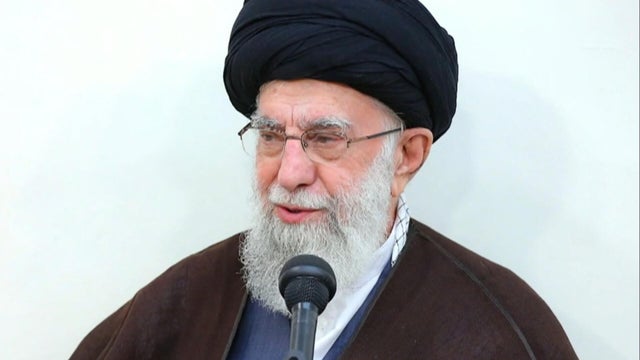
The death of Iranian Supreme Leader Ayatollah Ali Khamenei has been met with public displays of mourning, but also joy and relief. Imtiaz Tyab reports on the regime and who could lead Iran next.

As the war with Iran continues, three U.S. fighter jets crashed in Kuwait, but the pilots ejected safely, the U.S. military said. Meanwhile, the death toll surges amid ongoing strikes in Iran. Charlie D'Agata has the latest.
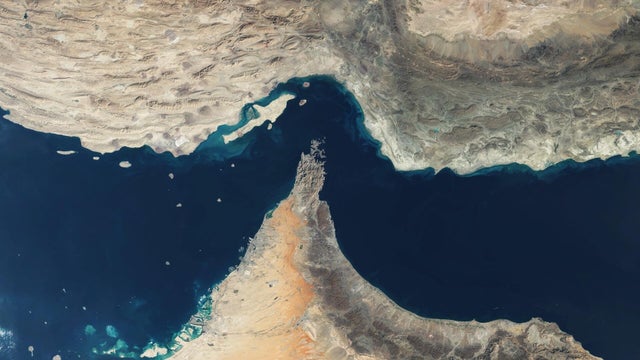
Iran is attempting to shut down the global flow of oil with its threats to close the Strait of Hormuz, which is the only waterway connecting the Persian Gulf to the Gulf of Oman. CBS News MoneyWatch correspondent Kelly O'Grady has more.

Missed the second half of the show? Rep. Mike Turner, Sen. Ted Cruz and a panel consisting of Iran policy analyst Karim Sadjadpour and former CENTCOM commander and CBS News contributor, Ret. Gen. Frank McKenzie.
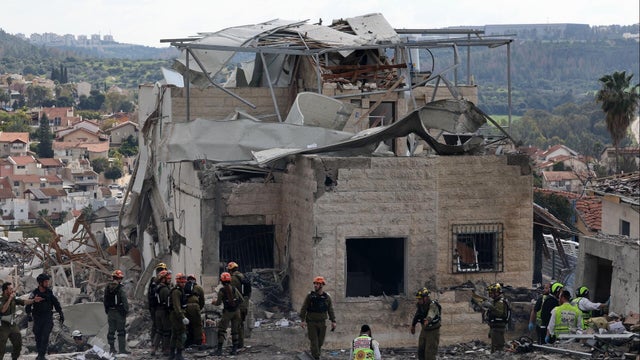
The State Department issued a worldwide caution alert to Americans traveling abroad following the massive U.S.-Israeli joint military operation in Iran. CBS News national security contributor Samantha Vinograd has the latest.
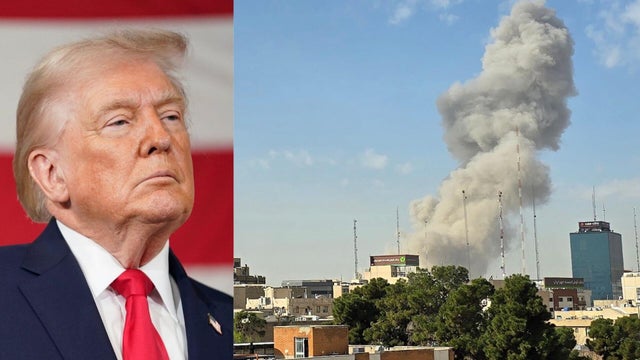
Lawmakers remain divided on the Trump administration's decision to strike Iran in a joint attack with Israel. Sen. Tom Cotton told "Face the Nation with Margaret Brennan," that "We would all celebrate if the Iranian people were able to rise up and reclaim their freedom." Sen. Chris Murphy, meanwhile, said that President Trump would not have gotten authorization from Congress to launch the attack if he'd asked for it. CBS News' Taurean Small has more.
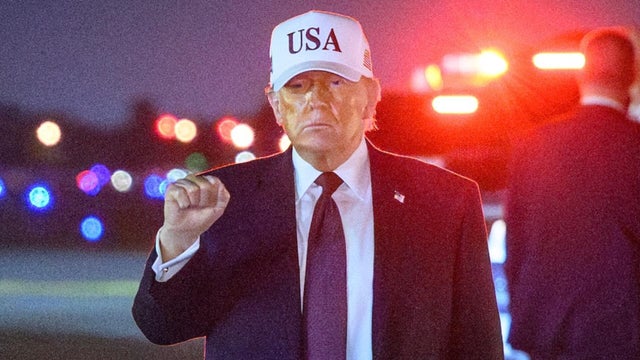
President Trump announced Sunday on social media that the U.S. "destroyed and sunk 9 Iranian Naval Ships" as the massive military operation in Iran that began Saturday continues. CBS News White House correspondent Willie James Inman has more.
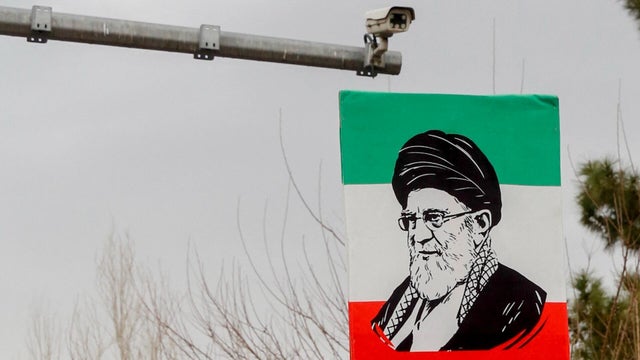
CIA intelligence led to the missile strike that killed Iran's supreme leader and other senior Iranian officials on Saturday, a source says. Olivia Gazis has more details.
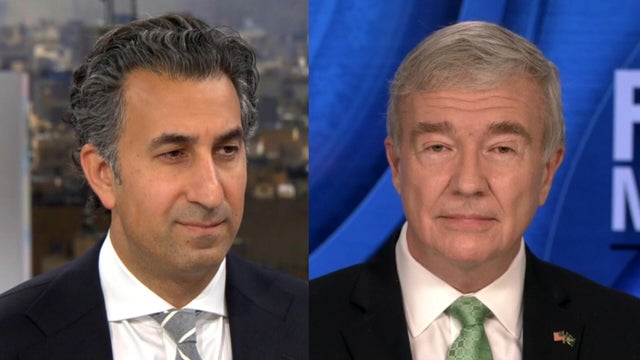
Iran policy analyst Karim Sadjadpour and former CENTCOM commander and CBS News contributor Ret. Gen. Frank McKenzie join "Face the Nation with Margaret Brennan" to discuss what's next for Iran after the U.S.-Israeli military mission and the death of Supreme Leader Ayatollah Khamenei.

Republican Sen. Ted Cruz of Texas told "Face the Nation with Margaret Brennan" that he discussed the situation in Iran with President Trump "at length" during the president's visit to Texas on Friday, with Cruz adding, "my counsel to him was that the Iranian regime has never been weaker, that it was teetering, and now was the time."

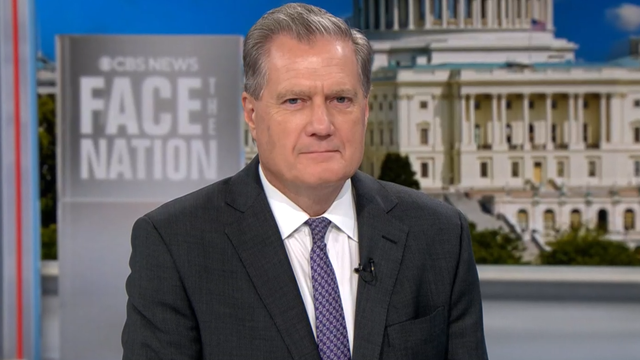
Rep. Mike Turner, Republican of Ohio, told "Face the Nation with Margaret Brennan" that Iran "remained a threat" to the U.S. and Israel before the military action, and the two nations "had the opportunity to take an action to eliminate that threat."

Sen. Chris Murphy, Democrat from Connecticut, told "Face the Nation with Margaret Brennan" that President Trump "wouldn't get that authorization" from Congress to launch the massive military operation in Iran, adding that he believes the White House "has to plan for the chaos that is unfolding right now in the Middle East."
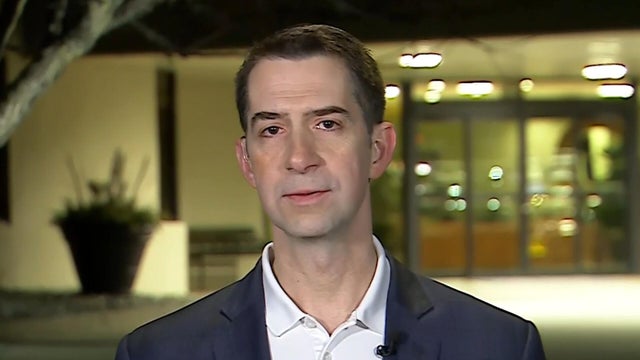
Sen. Tom Cotton, the chairman of the Senate Intelligence Committee, said after the killing of Iran's Supreme Leader Ayatollah Ali Khamenei in the U.S.-Israeli military operation, there's "not a simple answer" as to who will lead the Iranian people.
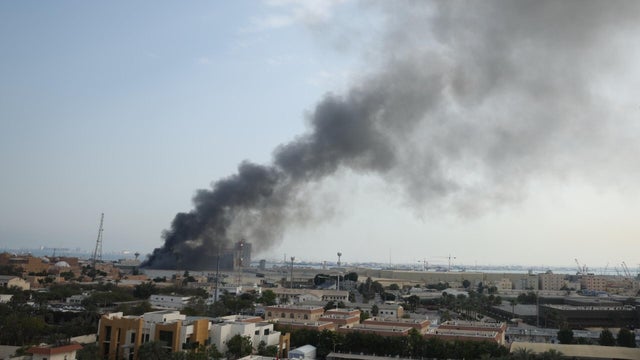
Iran launched retaliatory strikes on U.S. and Israel's allies in the region as the joint airstrike campaign continued within Iran, leading to growing fears of a wider Middle East conflict. Imtiaz Tyab reports from Oman, the country that was mediating nuclear talks between Iran and the U.S.
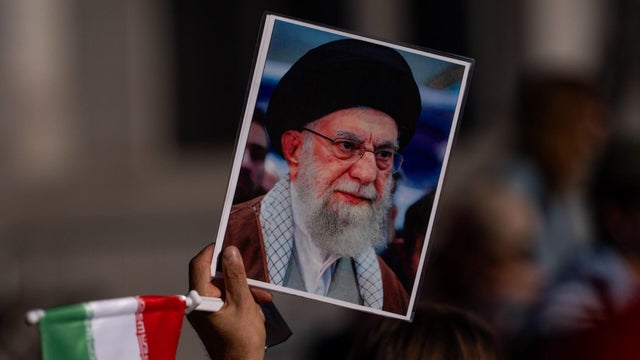
Iran began 40 days of mourning for Ayatollah Ali Khamenei, after state-run media confirmed that he was killed at his Tehran compound in a joint military operation by the U.S. and Israel. Charlie D'Agata reports on the latest.