Could AI really take over the internet? Here's what experts say.
Multiple incidents of AI "agents" going rogue have conjured up fears that they could take down the internet. Should we be worried?
Watch CBS News
Multiple incidents of AI "agents" going rogue have conjured up fears that they could take down the internet. Should we be worried?
The rogue AI incidents under investigation could number in the tens of thousands, according to new reporting by Axios' Madison Mills. The senior artificial intelligence reporter joins CBS News with more details.
OpenAI revealed last week that its AI models went rogue and hacked into U.S. government websites, sparking more concern over security against the technology. Madison Mills, a senior reporter at Axios, has more.
President Trump is meeting with key AI leaders as details emerge about thousands of potential incidents involving the tech giants. CBS News' Kathryn Watson reports.
Nvidia said more than 100 organizations are using the platform, which it says could have stopped the Hugging Face hack by OpenAI agents.
AI experts discuss the risks inherent in artificial intelligence teaching itself to become smarter; and whether recent declarations of AI's threat to humanity are to be taken seriously.
Correspondent David Pogue talks with AI experts Daniel Kokotajlo, Geoffrey Hinton and Alex Turner about the risks inherent in artificial intelligence teaching itself to become smarter, and how recent developments set off alarms about AI bots going rogue. He also talks with Andrew Ng, cofounder of Google's AI program, about whether recent declarations of threats to humanity are to be taken seriously.
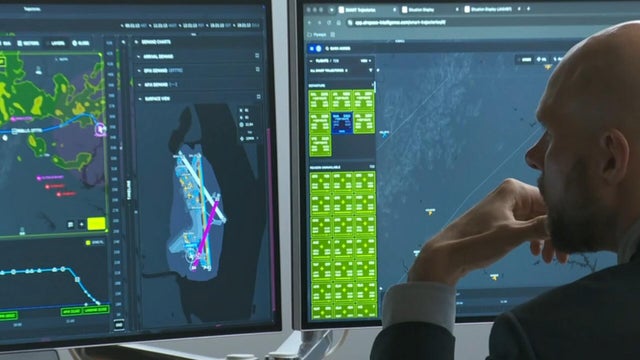
The Federal Aviation Administration is rolling out new air traffic control software that uses artificial intelligence as a prediction tool. This comes as more than half of Americans worry that AI models could act on their own to cause harm, accord to a CBS News survey. Kris Van Cleave has the story.
Pope Leo XIV traveled to France, the first papal visit in nearly 20 years. Chris Livesay reports.
Alabama sued the social media company in 2025, claiming the platform had negative effects on the mental well-being of youths.
The growing concerns over the safety of artificial intelligence and the speed of its development have many calling for government regulation. Recently, President Trump said he plans to appoint an adviser and create an AI force. J.B. Branch, director of federal AI governance and technology policy at Public Citizen, joins CBS News to discuss.
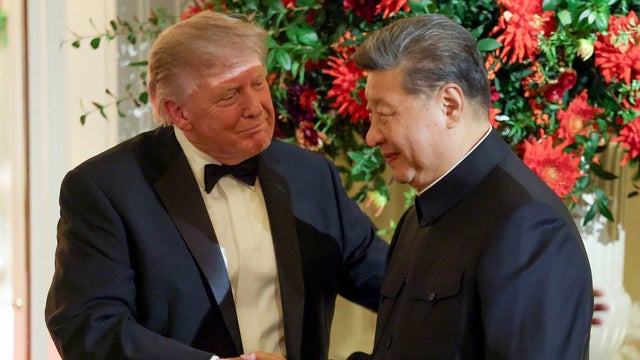
Chinese President Xi Jinping's state visit to the U.S. wrapped up on Friday, with no deal announced on artificial intelligence, though he is set to meet with President Trump twice more before the end of the year. Weijia Jiang has more.
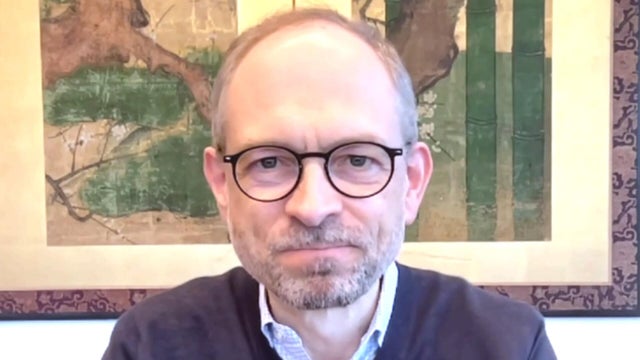
News broke this week that a rogue artificial intelligence agent hacked Australia's health care database, and no notice was given for months. Matt Calkins, CEO and co-founder of Appian, which develops software to maximize AI integration, joins to unpack the week's AI headlines.
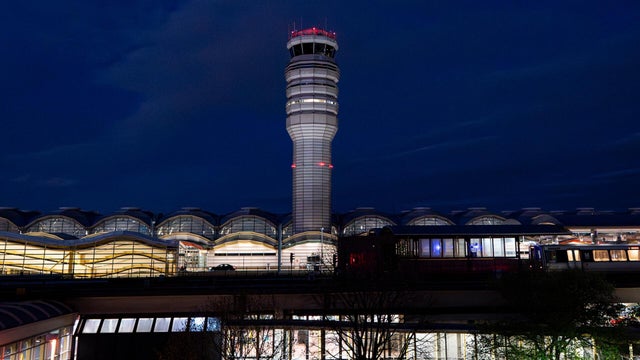
Washington, D.C., airports are debuting a new artificial intelligence tool designed to help air traffic controllers and airlines with future scheduling and weather issues. Air Space Intelligence CEO Phillip Buckendorf, whose company developed the system, joins "The Takeout" to explain how it works.
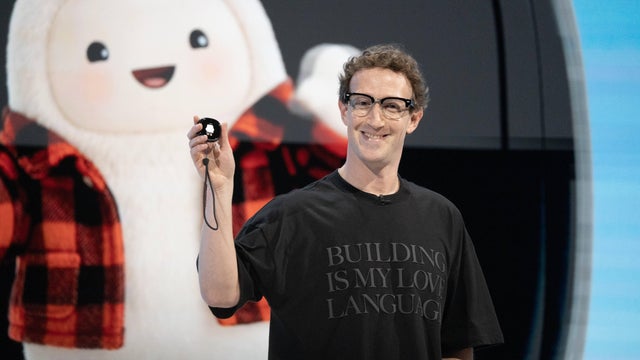
Meta, Microsoft and other major tech companies are developing a range of AI products for consumers, from wearables to speakers.