Sen. Graham's cause of death revealed
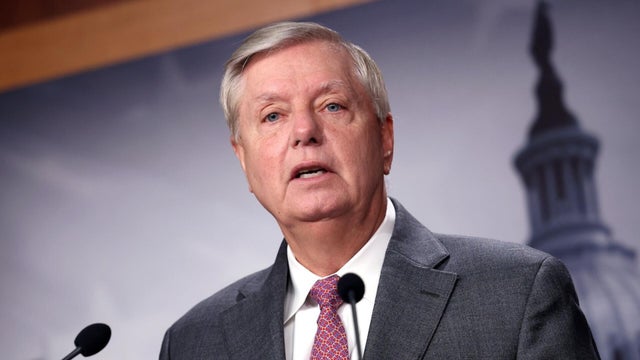
Sen. Lindsey Graham's sudden death Saturday night was caused by an aortic dissection, according to findings by the Medical Examiner of the District of Columbia. CBS News' Fin Gomez has more.
Watch CBS News
Sen. Lindsey Graham's sudden death Saturday night was caused by an aortic dissection, according to findings by the Medical Examiner of the District of Columbia. CBS News' Fin Gomez has more.
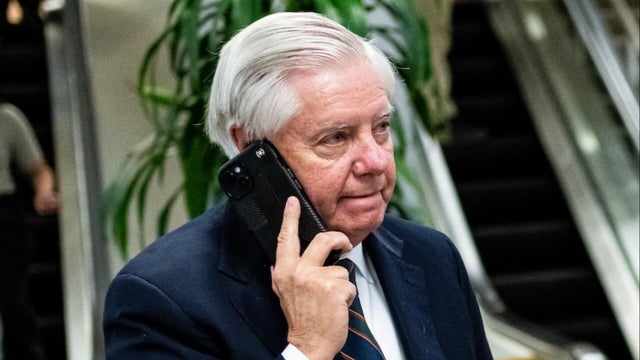
Sen. Lindsey Graham was in Kyiv, Ukraine, one day before his death. CBS News' Margaret Brennan recalls her final conversation with Sen. Graham on Friday, during which he touted progress on Russian oil sanctions.

President Trump's demolition, construction and renovation efforts have triggered a firestorm of lawsuits, as critics seek to block his plans to remake our nation's capital.
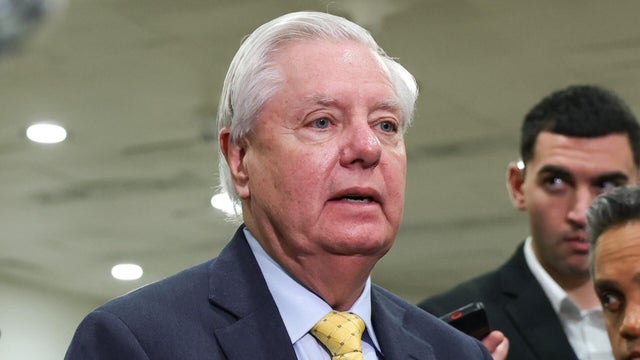
President Trump said Sunday that he spoke with Sen. Lindsey Graham shortly before the longtime Republican senator's death. CBS News' Olivia Rinaldi has the latest.
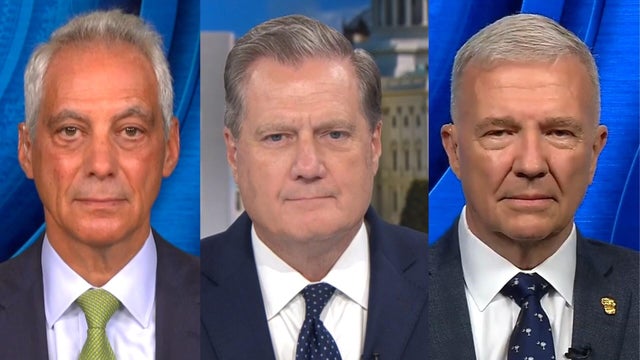
Missed the second half of the show? Rahm Emanuel, Rep. Mike Turner and retired Gen. Frank McKenzie join.
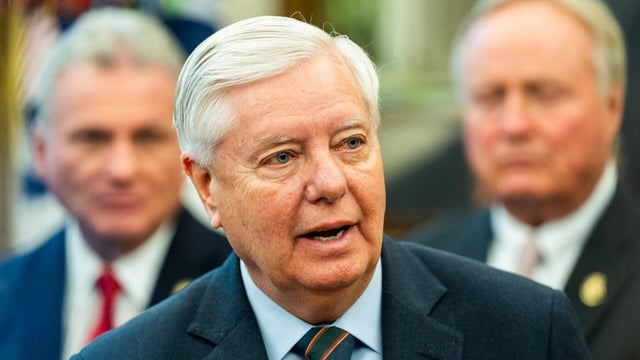
One day before Sen. Lindsey Graham's death Saturday, he told "Face the Nation" moderator Margaret Brennan he was excited about new progress on a long-sought bipartisan bill to boost sanctions on Russia by targeting buyers of its oil.
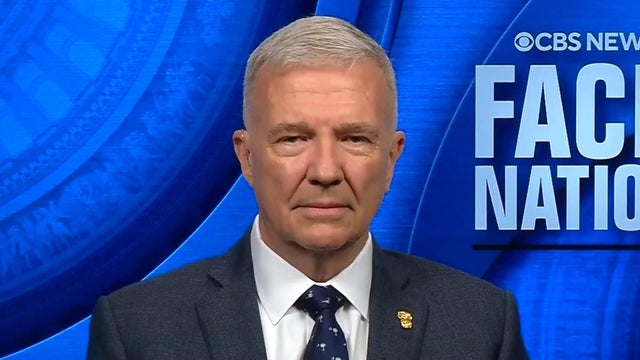
As the U.S. and Iran trade another round of strikes, retired Gen. Frank McKenzie, who led U.S. Central Command, told "Face the Nation" the U.S. has the ability to take control of the Strait of Hormuz or Iran's Kharg Island oil terminal. "If you want to gain concessions from Iran, you have to directly pressure the regime, and you have to do so in a way that perhaps is existential to them," he said.
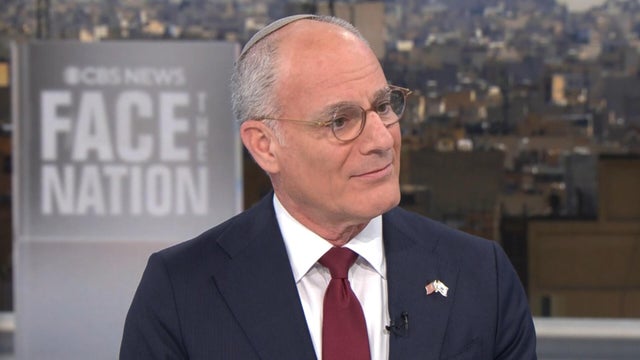
On "Face the Nation," Israeli Ambassador to the U.S. Michael Leiter said Israel is prepared to restart war with Iran if the U.S. requests it, as the U.S. and Iran trade fire. He also addressed Rep. Ro Khanna, who says he was detained by Israeli settlers in the West Bank.
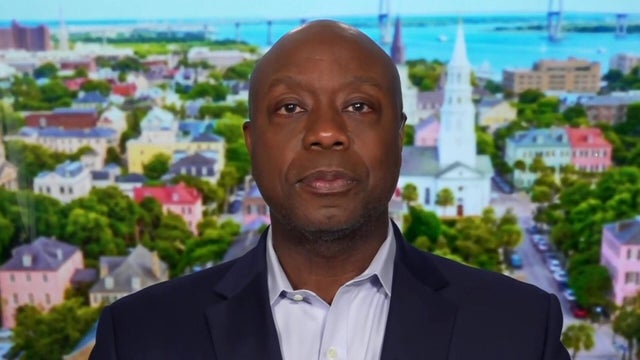
Sen. Tim Scott remembered fellow South Carolina lawmaker Lindsey Graham on "Face the Nation." He recounted Graham's sense of humor, his history as a "fierce fighter on foreign policy" and his role in "building bridges," including with President Trump.
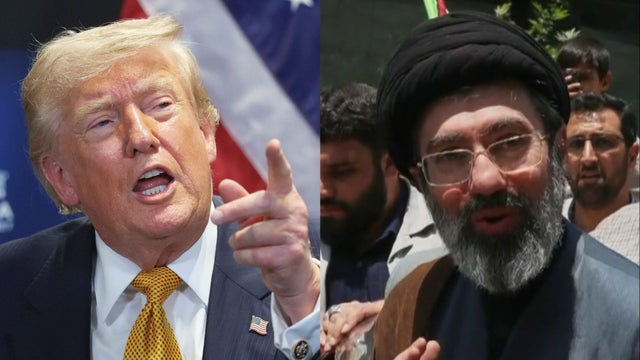
Iran's new supreme leader and President Trump traded threats on Saturday after the U.S. military battered Iran and Iran fired upon vessels sailing through the Strait of Hormuz. Olivia Rinaldi reports.
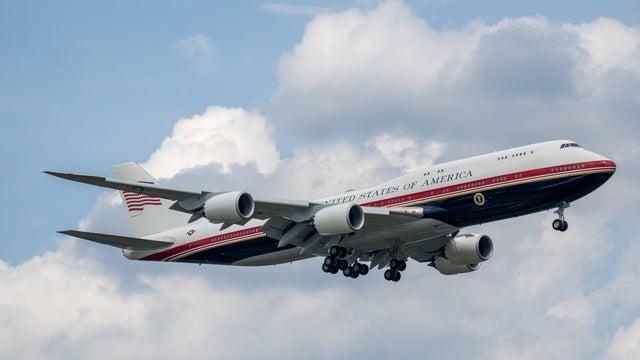
The subpoenas were issued after the New York Times reported on alleged security concerns with the new Qatari-gifted Air Force One.
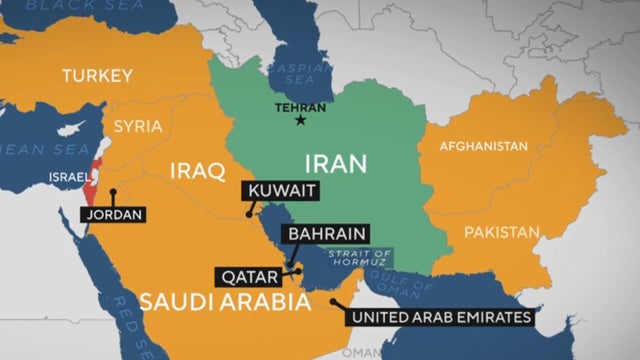
Senior U.S. officials say Iran privately told mediators that it made a mistake in shooting at commercial ships in the Strait of Hormuz. The officials say Iran blamed the attacks on hardliners who are trying to undermine negotiations. Elliot Ackerman, a CBS News contributor and a former CIA officer, has more.
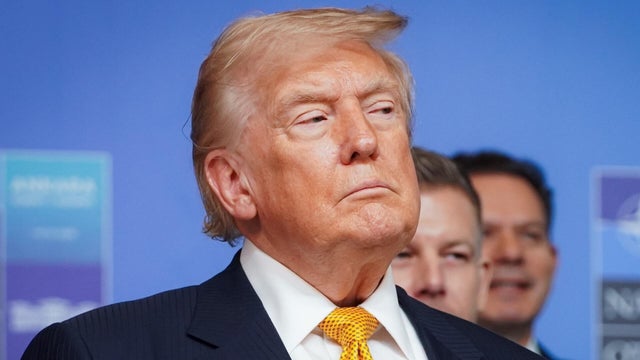
The Trump administration said there is still a chance to get nuclear talks back on track with Iran, but only if Tehran publicly states that the Strait of Hormuz is open and that it will no longer shoot at ships. Nancy Cordes reports.
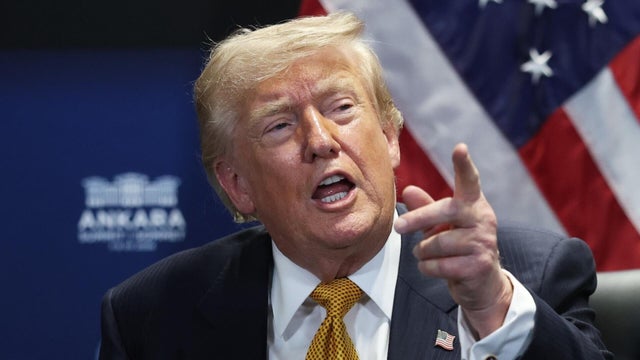
President Trump said Friday that Iran has asked for peace talks to continue, but maintained that the ceasefire agreement is over. CBS News senior national security correspondent Charlie D'Agata reports on the details.

New video appears to show the moments before U.S. Immigration and Customs Enforcement officers fatally shot Lorenzo Salgado Araujo in Houston, Texas. CBS News' Jason Allen reports.
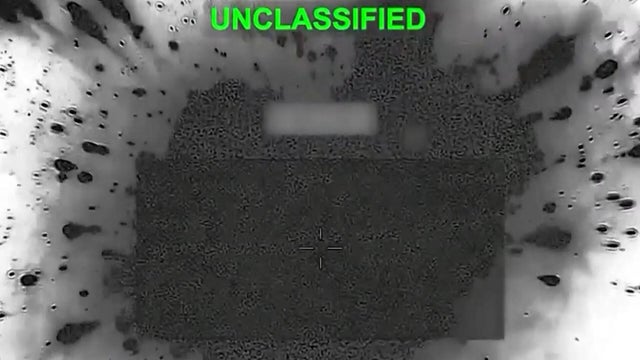
The U.S. and Iran have begun the most intense fighting since President Trump struck a deal for talks three weeks ago. The U.S. hit around 90 targets in Iran overnight, and Iran responded with ballistic missiles and drones aimed at U.S. bases and military assets in the region. Nancy Cordes has more.
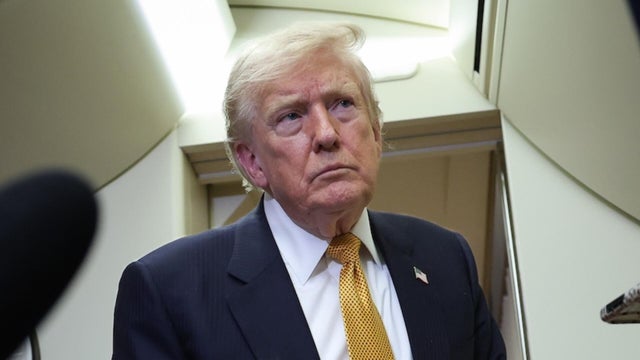
President Trump did not use his new Qatari-gifted Air Force One when he left the NATO summit in Turkey this week due to possible security concerns, CBS News has learned. CBS News homeland security correspondent Nicole Sganga has more.
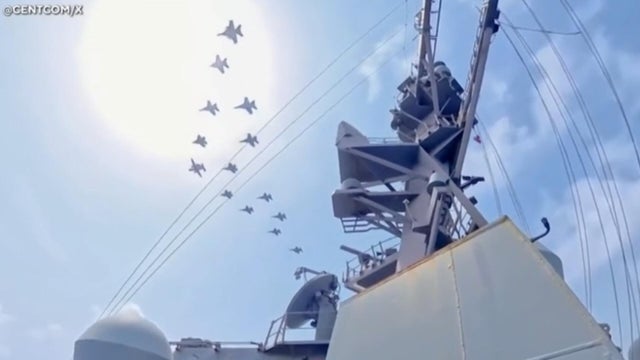
The U.S. and Iran had significant escalations in fighting this week. The U.S. military launched more strikes on Thursday than at any other point since a fragile ceasefire was established between the two countries. CBS News senior national security correspondent Charlie D'Agata reports.

American-made drone technology is helping guide Ukrainian strikes further into Russia, despite the U.S. walking back some of its military support for Ukraine. CBS News international reporter Aiden Stretch has more.
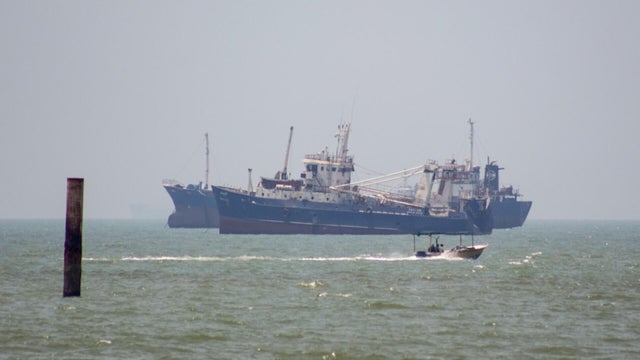
Iran renewed its threats to close the Strait of Hormuz as tensions re-escalated following President Trump's announcement that the U.S.-Iran ceasefire ended. CBS News national security analyst Aaron MacLean has more.
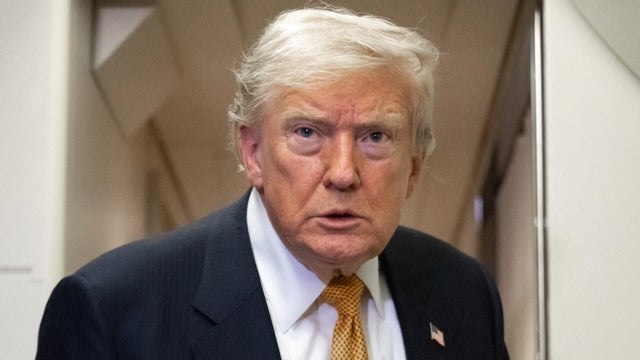
President Trump told reporters early Thursday that Tehran "wants to make a deal so badly" after the U.S. and Iran traded more strikes. CBS News Olivia Rinaldi and Courtney Kealy have more.

The Freedom Fuel Network is offering gasoline for more than 30 cents a gallon below the national average.
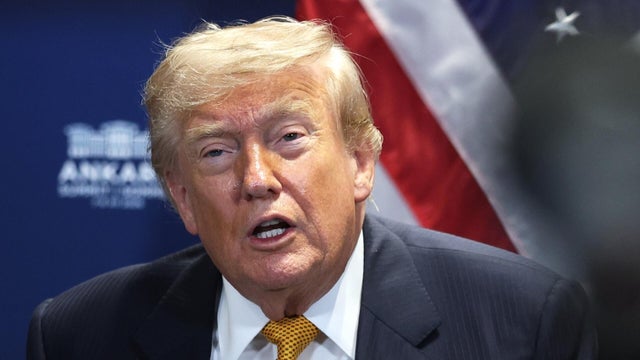
The U.S. struck Iran for a second night following President Trump's announcement the ceasefire had ended. Meanwhile, Iran struck back at U.S. allies in the Middle East. Weijia Jiang and Aaron MacLean have more.

The rise in oil prices comes after the Trump administration on Tuesday revoked a waiver that allowed Iran to sell oil. CBS News coordinating producer Richard Escobedo has more.
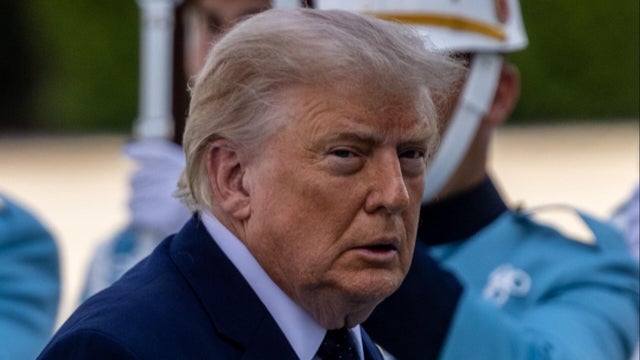
U.S. Central Command said the U.S. military is conducting a new wave of strikes on Iran at the direction of the president. The second night of strikes came after President Trump said the fragile ceasefire between the two countries was over as far as he was concerned. Will Todman, senior fellow for the Middle East Program at the Center for Strategic and International Studies, has more.