U.S. bolsters embassy security in Afghanistan
There are increasing concerns about the security of the U.S. embassy in Kabul as the Taliban rapidly gain territory. Charlie D’Agata has more.
Watch CBS News
There are increasing concerns about the security of the U.S. embassy in Kabul as the Taliban rapidly gain territory. Charlie D’Agata has more.

All U.S. troops will be out of Afghanistan by the end of August, even though the Taliban has. been gaining ground across the war-torn country. President Biden defended his accelerated timeline for America's military withdrawal during a speech yesterday. CBS News foreign correspondent Charlie D'Agata reports from Kabul, and CBS News chief White House correspondent Nancy Cordes joins CBSN with more on that plus other issues on Mr. Biden's agenda including voting rights and economic competition.
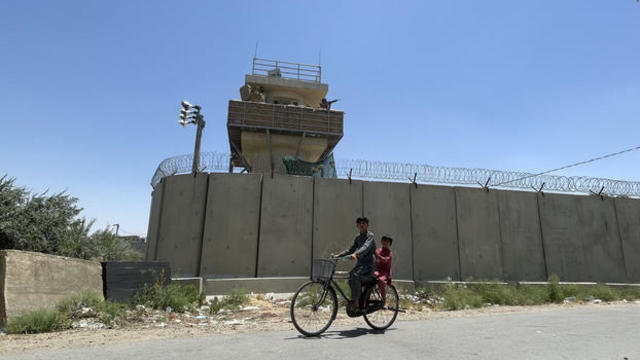
The Taliban has said it does not plan to overrun Kabul after the U.S. withdraws on August 31, but U.S. President Joe Biden has blankly stated that he does not trust the insurgent militant group. CBS News foreign correspondent Charlie D'Agata joins "CBSN AM" from the Afghanistan capital, where he spoke with the top U.S. diplomat about embassy security arrangements for after the military leaves.
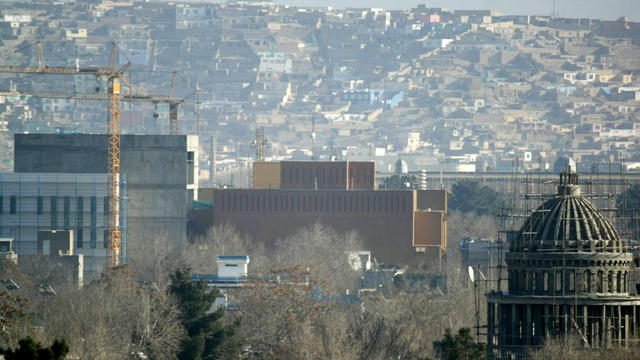
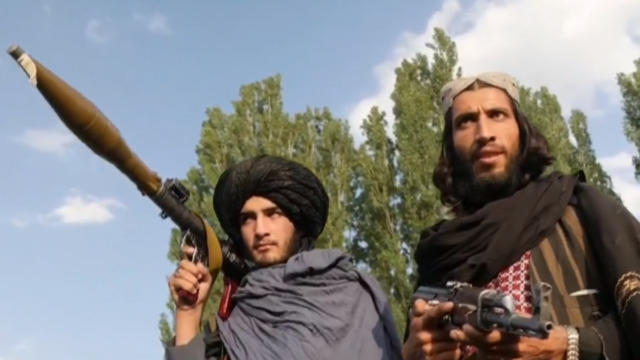
Given the history of attacks on diplomatic compounds, the Taliban's efforts to encircle cities and control roads, including in the capital, are a worry as America pulls out.
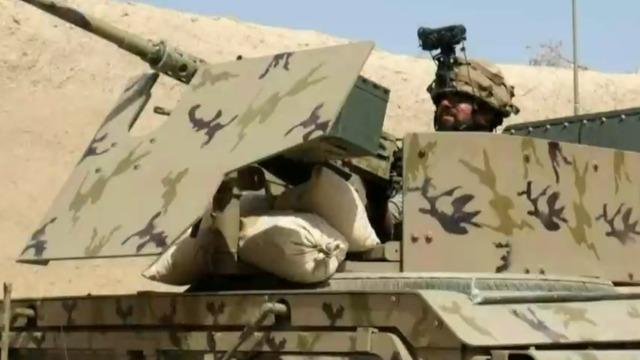
As CBS News' Charlie D'Agata reports, the U.S. is on track to end military operations in Afghanistan by the end of August. Twenty years after American forces came to Afghanistan, they're now leave behind a country on the verge of an all-out civil war. Ryan Heath, a senior editor for Politico, joins CBSN's Lana Zak to discuss what the move could mean for Afghanistan and the region.
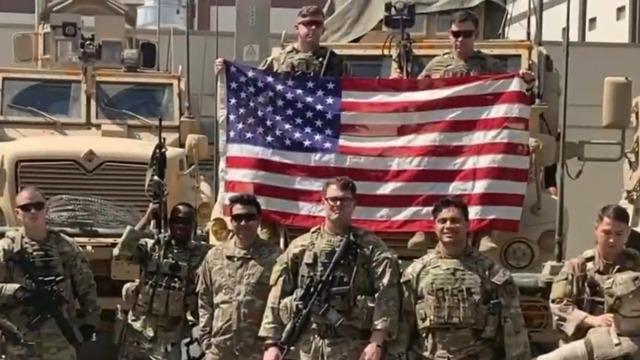
President Biden announced Thursday that the U.S. military mission in Afghanistan will come to an end August 31, following 20 years of conflict. The Pentagon says the troop withdrawal process is now 90% complete. CBS News senior White House correspondent Weijia Jiang joins CBSN's Lana Zak to discuss what this means for the future of Afghanistan.
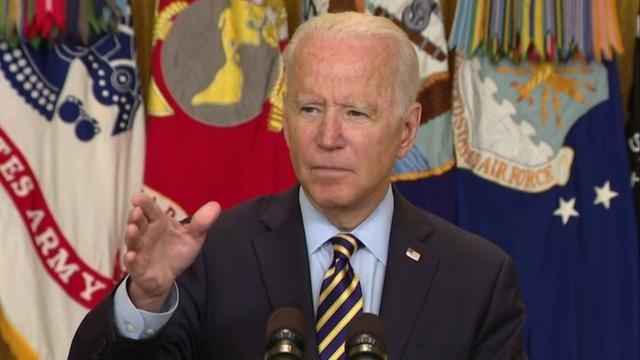
After announcing plans to complete the withdrawal of U.S. troops from Afghanistan by August 31, President Biden took questions from reporters about whether that will lead to a Taliban takeover and what it means for the war on terror.
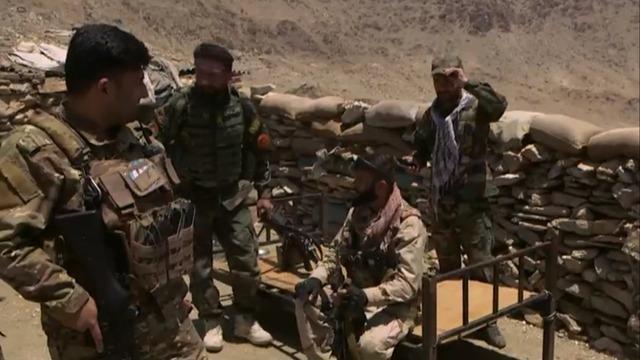
While the Taliban takeover in Afghanistan is "not inevitable," according to President Biden, there are fears that the country will collapse soon after the U.S. leaves. Charlie D'Agata reports from Kabul.
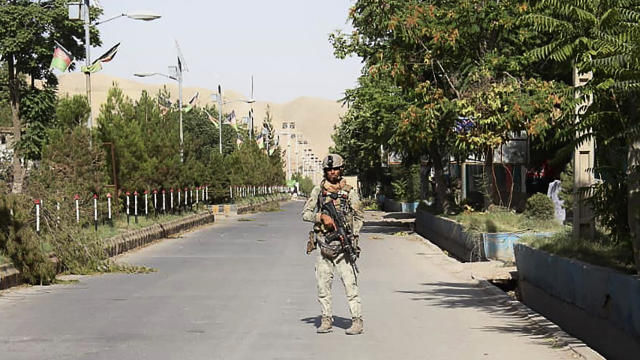
The insurgents are pushing toward provincial capitals, surrounding them and waiting for Afghan forces' U.S. backup to disappear.
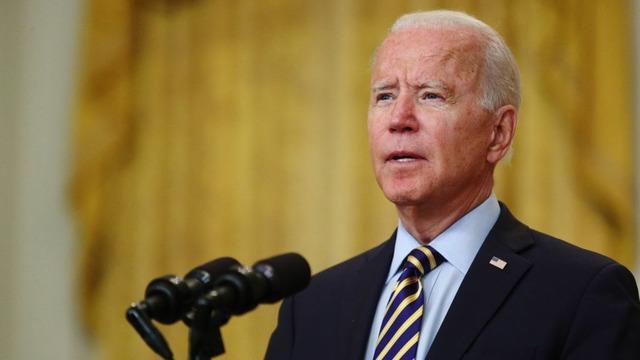
President Biden spoke about the end of the U.S. military mission in Afghanistan, saying the remaining troops will be out by August 31 because the U.S. "did what it set out to do." Michael Semple, a professor at Queen's University Belfast, joined CBSN's Tanya Rivero to discuss the impact of the troop withdrawal.
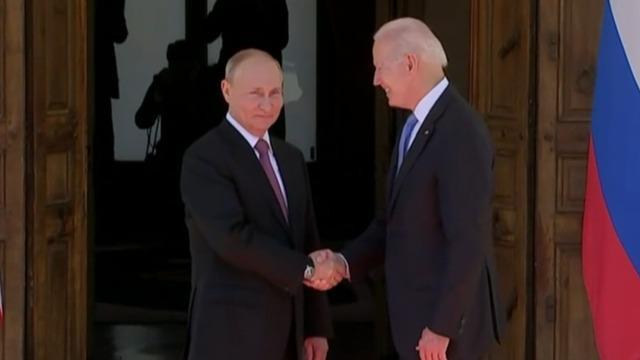
President Biden is under pressure to take action after a massive ransomware attack linked to Russia-based cybercriminals. CBS News chief White House correspondent Nancy Cordes joined CBSN to discuss the latest on the president's response. She also has a preview of his remarks on the situation as U.S. troops withdraw from Afghanistan.
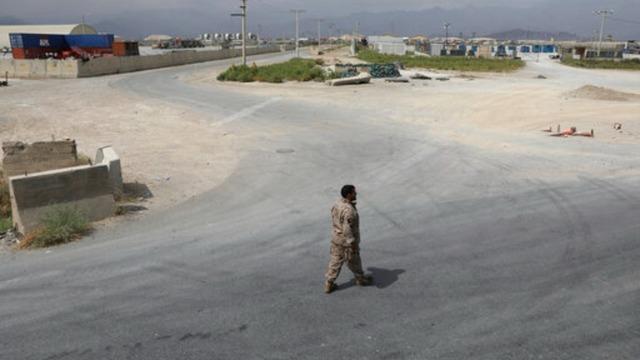
America's longest war continues to wind down as the U.S. has withdrawn 90% of its troops from Afghanistan. Mark Jacobson, the assistant dean at the Maxwell School of Citizenship and Public Affairs at Syracuse University, joined CBSN's Tanya Rivero with more on the process and what it will mean for Afghanistan's future.
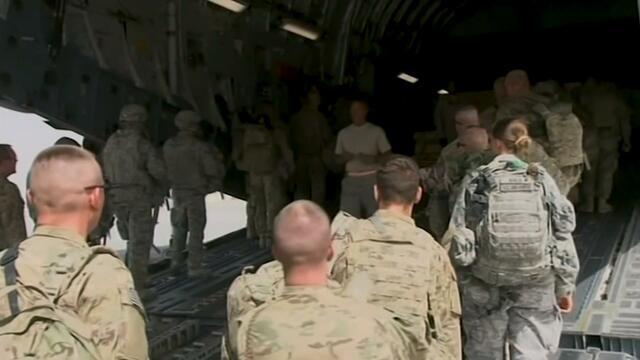
In Afghanistan, the U.S. troop withdrawal is turning into a series of military setbacks for Afghan forces. Some troops that the U.S. supported for nearly two decades are surrendering without firing a shot. Right now, Taliban fighters are advancing in northern areas where they used to have much less support. Charlie D'Agata reports.
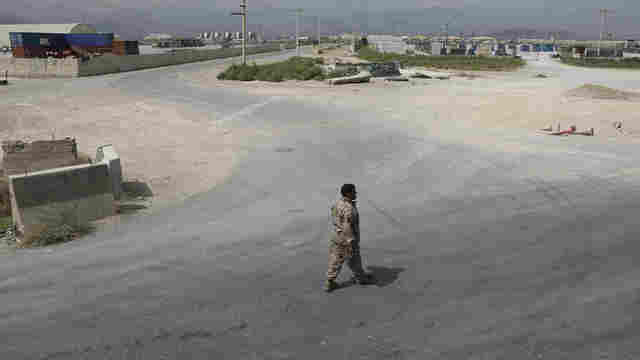
More than a thousand Afghan soldiers fled into neighboring Tajikistan as one northern district after another fell to an insurgent Taliban. Fears abound that the ousted militant group will completely overrun the country after U.S. forces completely withdraw later this year. CBS News chief foreign correspondent Charlie D'Agata reports live from the capital Kabul.
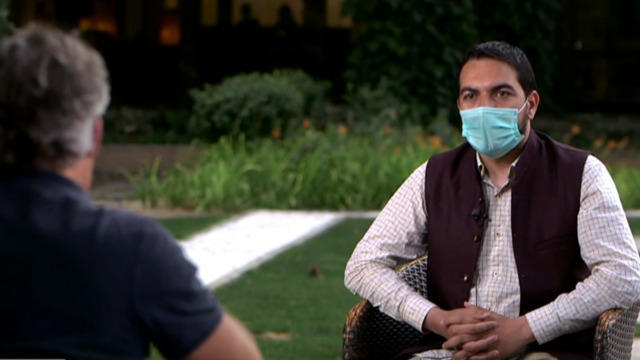
Time is running out for Afghan interpreters like Sherin Agha Jafari, who top the list of Taliban revenge attacks once U.S. forces leave. Charlie D’Agata reports.
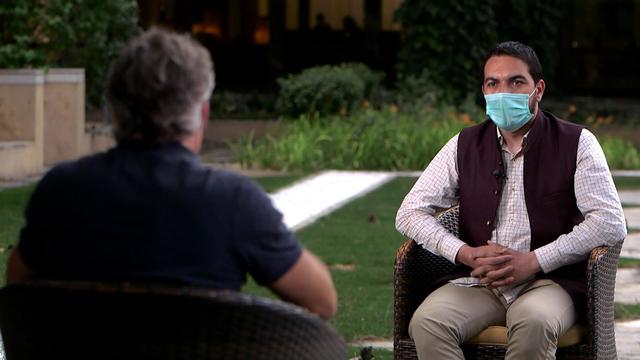
Time is running out for thousands of Afghans who helped the U.S.
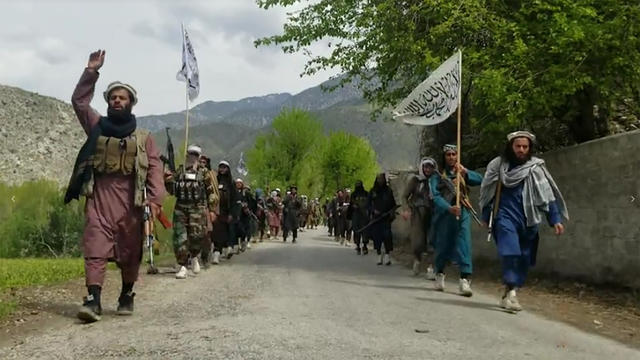
Correspondent Charlie D'Agata reports from the Afghan capital of Kabul, a city that has changed profoundly in the past two decades since the invasion by American forces in 2001 – where a generation that has grown up enjoying simple freedoms fears the Taliban will sweep back into power once U.S. forces leave.
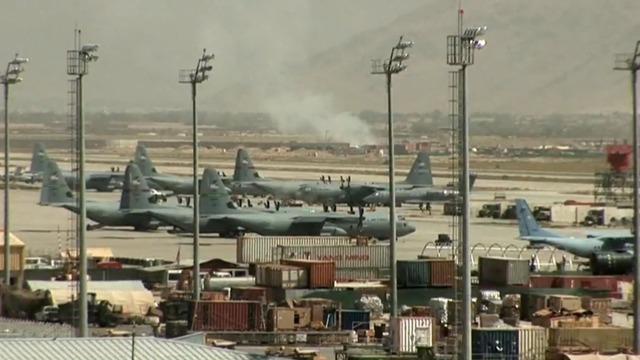
U.S. troops completed their withdrawal from Bagram Air Base, which served as a critical anchor point to U.S. operations in the region. The withdrawal effectively ends U.S. involvement in the region, just as Taliban forces are growing stronger. Charlie D'Agata has more.
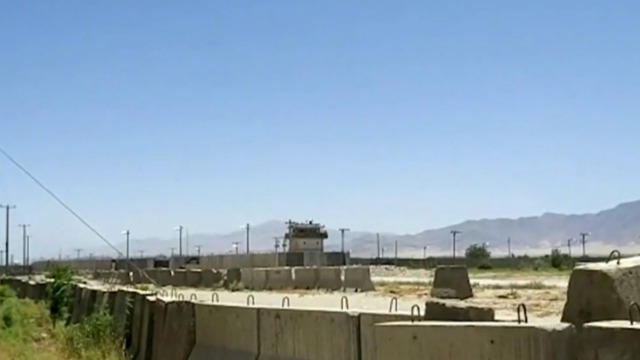
U.S. forces have handed control of the most important air base in Afghanistan to the Afghan military. Charlie D’Agata is there.
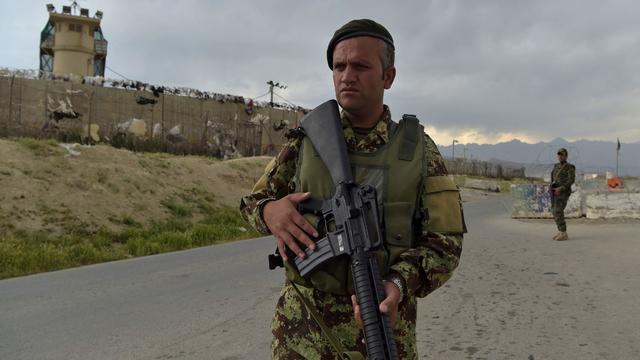
Mark Frerichs was kidnapped more than a year ago, and as American troops pack up to leave Afghanistan, his family want Mr. Biden to make sure he's not left behind, too.
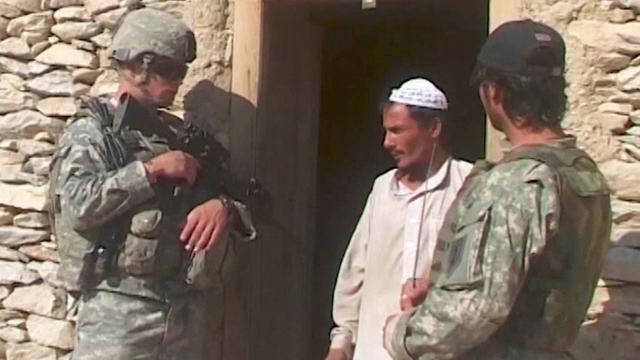
The U.S. government is trying to figure out how to get as many as 70,000 Afghans out of their country, before they're " slaughtered by the Taliban."
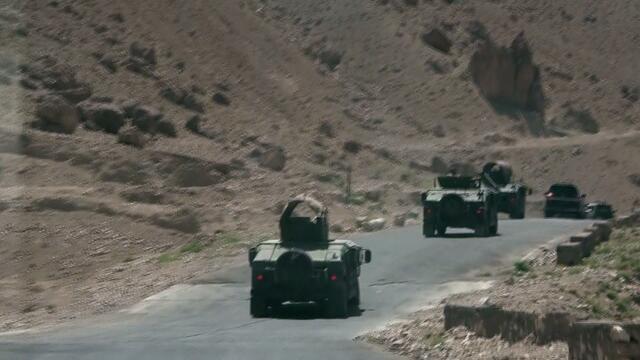
Charlie D'Agata traveled with top Afghan defense officials to a province just outside Kabul where government and local "uprising" fighters are desperately trying to push back the Taliban. At a tiny combat outpost in the mountains of Kapisa, the CBS News team came under fire from nearby militants.
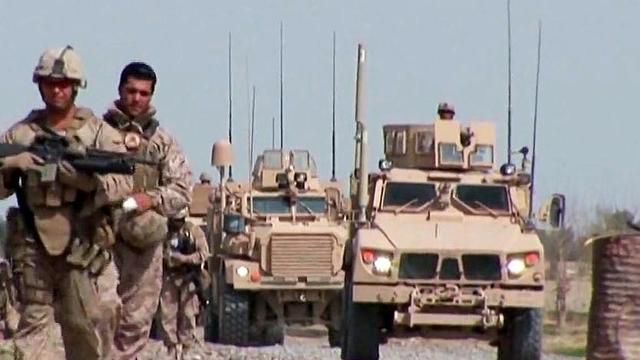
As CBS News visits the viciously contested front line, it's clear U.S. troops are leaving behind an Afghan security force struggling to fend off a resurgent Taliban.
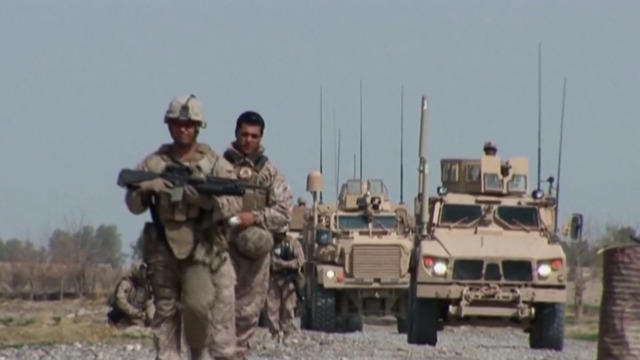
As Afghan forces lose ground to the Taliban amid the U.S. withdrawal, Charlie D'Agata got a first-hand look at the fighting inside Afghanistan.
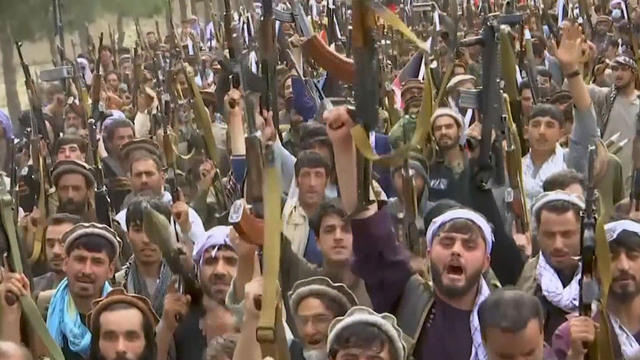
The Taliban is expanding its control over Afghanistan as U.S. troops are set to withdraw completely by mid-July. The rise of the militant group is stoking fears of an all-out civil war in the region. Charlie D’Agata has more.