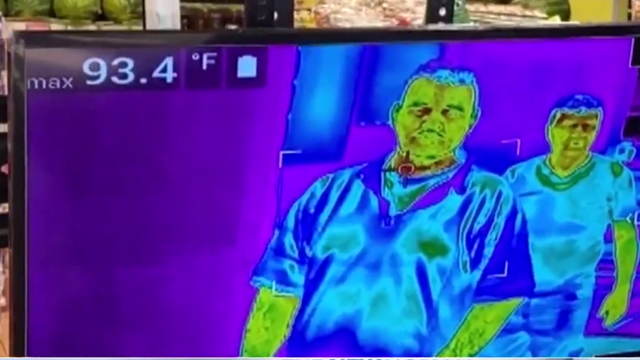
Thermal imaging could be used to deny entry into businesses
"What we're seeing is there will be a new normal that will involve thermal screening as a frontline tool," Chris Bainter, director of global business development at FLIR Systems, said.
Watch CBS News
"What we're seeing is there will be a new normal that will involve thermal screening as a frontline tool," Chris Bainter, director of global business development at FLIR Systems, said.
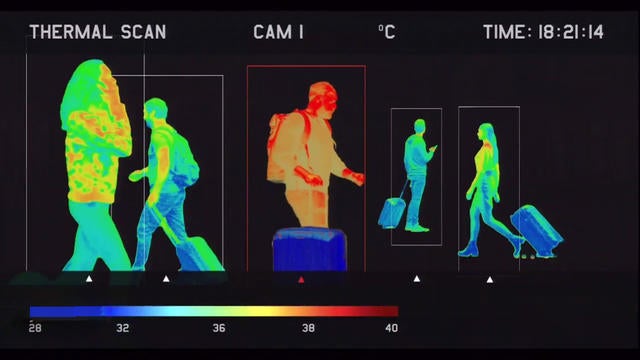
Thermal imaging cameras are the latest devices businesses hope will help reopen the economy while keeping people safe from the threat of COVID-19. The cameras are used to scan temperature from a safe distance, and if a fever -- a common coronavirus symptom -- is detected, the company could require further screening or deny the person entry altogether. Jericka Duncan examines the technology for our series The New Normal. Wired editor-in-chief Nick Thompson also joins "CBS This Morning" to discuss how this technology can be implemented and what it would look life for Americans and businesses.
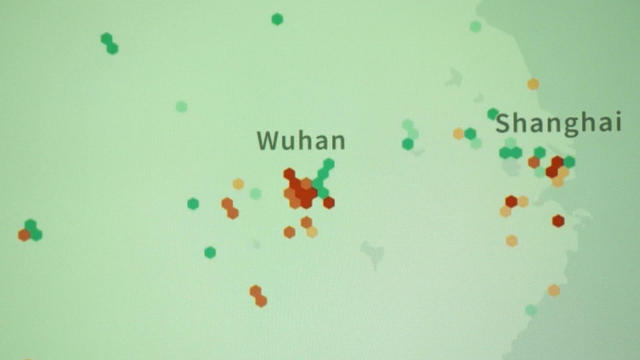
On New Year's Eve, a small company in Canada was among the first to raise the alarm about an infectious disease outbreak. Its computer algorithm calculated where the virus might spread next. The technology could change the way we fight another contagion.
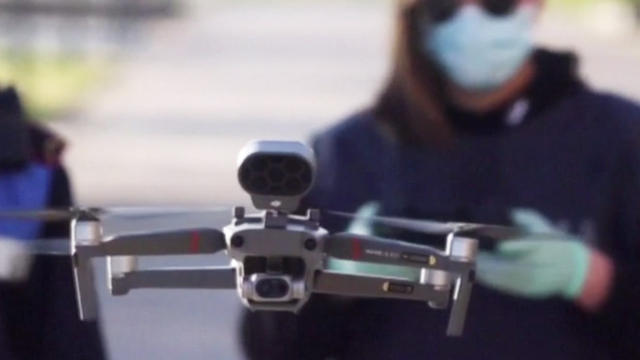
Public health and safety groups – and even amateur drone enthusiasts – are using the technology to monitor public spaces and enforce social distancing rules
One career counselor says now more than ever, finding work is about tailoring the skills you already have to the jobs that are available.
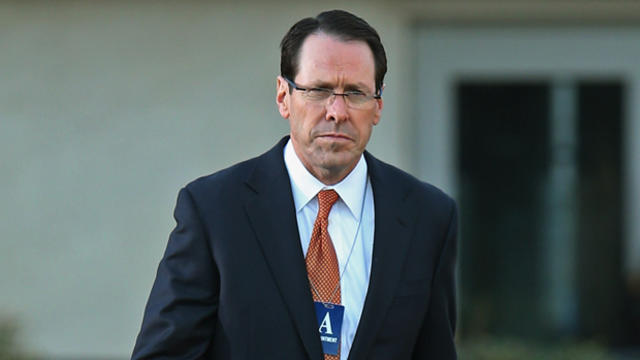
John Stankey, AT&T's president, will take over the top job at the telecommunications giant on July 1.
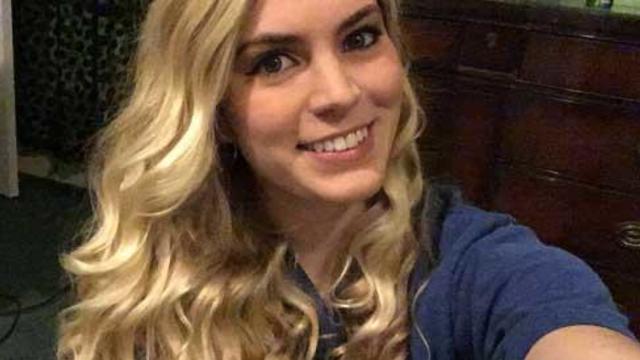
When college student Haley Anderson first went missing, her roommates were not alarmed. But when she went silent on social media, worry set in, and her roommates used her iPhone to track her down
Tech companies like Facebook, Google and Twitter are working to curb the spread of false information online regarding COVID-19, but they have come under fire for some of the messages spread on their platforms. Some of the activity appears to originate from China. CNET senior producer Dan Patterson joins CBSN with more.
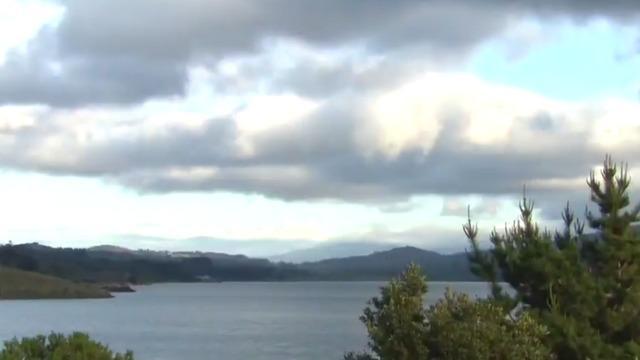
On this 50th anniversary of Earth Day and during an unprecedented pandemic, Los Angeles has seen some of the cleanest air in recent time. In CBS News' "Eye on Earth" series, correspondent John Blackstone takes a look at the silver lining of the coronavirus outbreak.
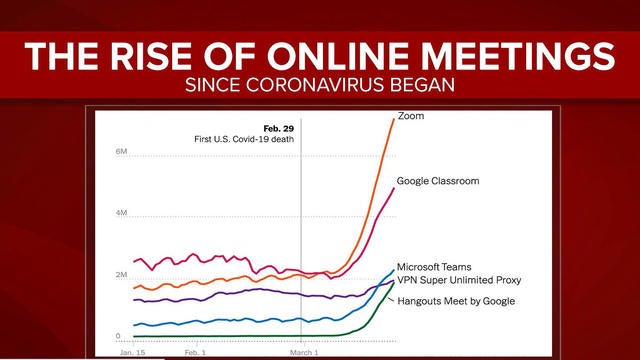
Thousand of Zoom users have reported their video calls have been hacked with graphic and often racist images and comments. CNET senior producer Dan Patterson joins CBSN to explain how it happens and what Zoom is doing to stop it. He also detailed the app company's data-sharing relationship with Facebook and why Zoom is working with Dropbox to fix some of its privacy concerns.

All over the world, Earth Day events are going online in the age of the coronavirus pandemic.
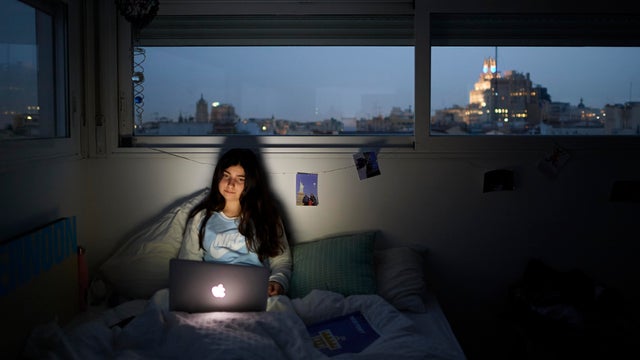
Americans are Zooming and Slacking into work instead of driving. But digital technologies have a carbon footprint, too.
The company's stock is up 31% this year as consumers turn from watching movies to binging "Tiger King."
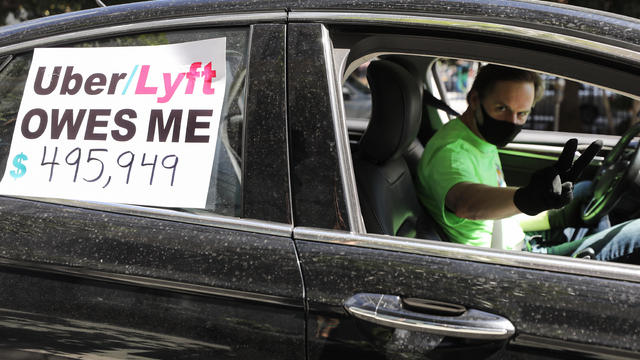
Nearly a month after Congress expanded jobless aid to cover them, drivers say they're still waiting for help.
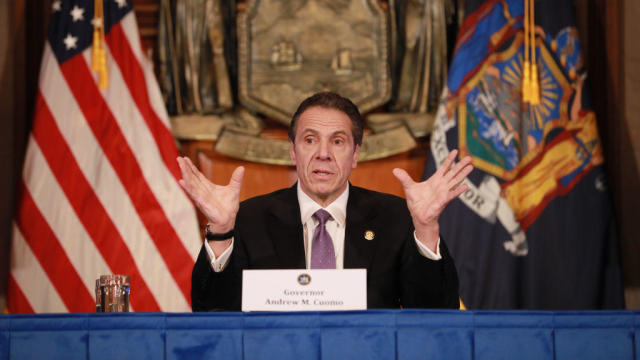
Under Governor Andrew Cuomo's executive order, couples can also obtain marriage licenses remotely.