Natural or no-no's? 4 herbal supplements your doctor hates

More than half of Americans have taken a dietary supplement, and it's easy to see why. Popping a pill is painless. Supplements don't require a prescription from a doctor. And there's always some hale bloke out there who will vouch for the miraculous health improvements he experienced while taking this or that herbal remedy.
Plus, herbals often seem safer than drugs and other treatments. If a supplement can be found on stores' shelves alongside healthy foods, it must be wholesome, right?
Wrong. Of the 30,000 products rated by the Natural Medicines Comprehensive Database, an independent research and publishing organization, less than one percent earned a top score for safety, effectiveness, and quality.
Unlike prescription medications, dietary supplements aren't reviewed or approved by the FDA before they go on sale. And, although manufacturers have been required to prove that new supplements are "reasonably expected to be safe" since 1994, a recent report in the New England Journal of Medicine found that this law is largely unenforced.
"Consumers have the idea that the people who are selling herbal remedies are doing it out the goodness of their hearts," says Lauren Streicher, assistant professor of obstetrics and gynecology at Northwestern University's Feinberg School of Medicine. But supplement makers are even more profit-driven than pharmaceutical companies, which are subject to FDA review, she says. "Does the FDA make mistakes? Yes. But they're the only protection we've got to make sure greed doesn't get in the way of science."
While most supplements will do more harm to your wallet than to your body, others are downright dangerous. From Anna Miller at U.S. News, here are four herbal supplements doctors love to hate.
Natural or no-no's? 4 herbal supplements your doctor hates
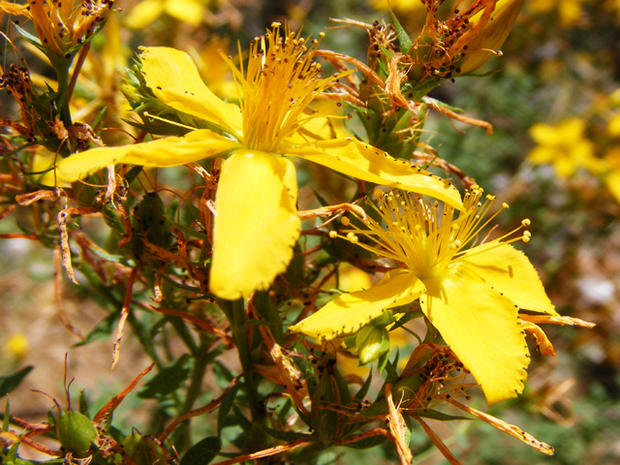
St. John's Wort
Among health care professionals, St. John's wort has a lousy reputation. While some research suggests it may be useful as a treatment for mild forms of depression, other large studies have concluded it's no more effective than a placebo when treating major depression of moderate severity. Some consumers take St. John's wort for other conditions, like anxiety and sleep disorders, but there's little if any evidence it works for those conditions. What's more, the herb can make prescription drugs less effective or more dangerous because it changes the way the body processes all kinds of medications, from to antidepressants to birth control pills.
"That's the real danger. Because it affects the way the liver metabolizes drugs, it's going to interfere with metabolism of other drugs," explains Gerard Mullin, director of integrative gastrointestinal nutrition services at the Johns Hopkins Hospital and author of The Inside Tract: Your Good Gut Guide to Great Digestive Health.
If you're committed to experimenting with St. John's wort, keep your doctor in the loop. He or she can monitor your symptoms and help you make sure you're not undermining the effectiveness of the rest of your treatment regimen.
More from U.S. News: Processed foods: 7 steps to purging them from your diet
Natural or no-no's? 4 herbal supplements your doctor hates
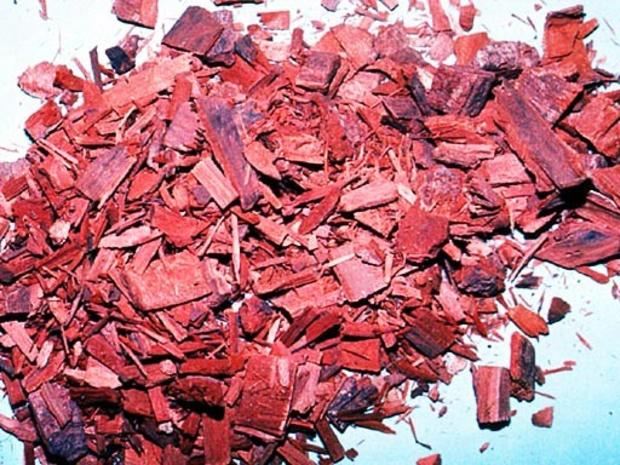
Yohimbe
The bark from the Yohimbe tree, native to western Africa, can be found in teas, capsules and tablets promoted to treat sexual dysfunction. Because the bark contains a chemical called yohimbine, which is used in some prescription medications for erectile dysfunction, it may seem like a natural and prescription-free alternative to a better sex life. But the herb can cause high blood pressure, rapid heart rate, tremors and, at high doses, serious heart problems and even death. As far back as 1993, the FDA warned of its potentially serious side effects. More recently, Consumer Reports lists it as one of the "dirty dozen" supplements to avoid. And yet, its exotic image and global presence still tempt shoppers who turn to the internet - rather than their doctor or pharmacist - to quell their bedroom woes.
More from U.S. News: Greek yogurt vs. regular yogurt: Which is better?
Natural or no-no's? 4 herbal supplements your doctor hates
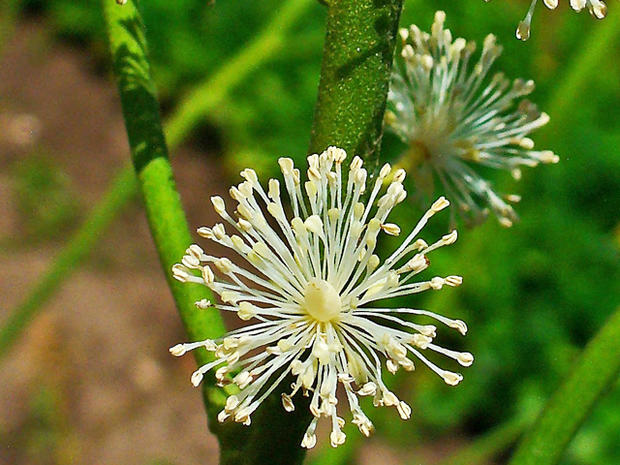
Black Cohosh
Streicher, who treats mostly middle-aged women, knows that menopause can cause desperation for symptom relief. That's why many women going through it turn to black cohosh, an increasingly popular herbal supplement purported to ease menopause-associated symptoms like hot flashes, night sweats, and vaginal dryness. Some short-term clinical trials have concluded that it's superior to a placebo. A year-long trial, however, found the herb to be no more effective than a placebo in treating hot flashes and night sweats.
Streicher says the positive outcomes of the shorter studies are most likely coincidence. "The nature of perimenopause is that it's a roller coaster: the symptoms go up and down," she says, referring to the period of life surrounding menopause.
In 2007, the Office of Dietary Supplements at the National Institutes of Health convened a workshop to evaluate health concerns about black cohosh's potentially detrimental effects on liver and breast tissue. While their review did not find the herb particularly harmful, it didn't find it to be helpful, either.
"What you have is greedy entrepreneurs looking for a vulnerable group - and no one is more vulnerable than women with hot flashes," says Streicher. "I just hate to see women taken advantage of when there are things that really can help them."
More from U.S. News: Coconut water and coconut oil: Do they have health benefits?
Natural or no-no's? 4 herbal supplements your doctor hates
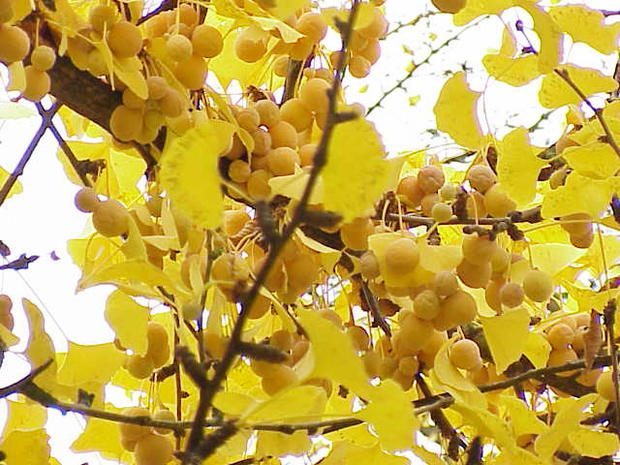
Ginkgo
Ginkgo, also known as ginkgo biloba, is one of the world's most popular herbal supplements. It's said to improve memory and cognitive functioning, and even stave off Alzheimer's disease. With the population aging, small wonder it's experiencing booming use. Unfortunately, there's no solid evidence that it works.
Taken from the ginkgo leaf and usually sold in pills and teas, ginkgo has been used widely and studied repeatedly. Researchers' conclusions can be summed like this: Small studies have tended to paint the herb positively, while large studies have found no benefit. The most extensive trial, the Ginkgo Evaluation of Memory study, was funded by the National Center for Complementary and Alternative Medicine at the National Institutes of Health. Published in 2009, it examined whether ginkgo could lower the incidence of dementia and Alzheimer's disease in the elderly. The data was also subsequently used to see if ginkgo had slowed cognitive decline, inhibited dementia, reduced blood pressure, or prevented hypertension among the study's subjects. The herb struck out on every measure.
Like black cohosh, ginkgo is probably safe - as long as it's not consumed in seed form, which has been linked to seizures and even deaths. Nevertheless, the herb remains controversial among doctors. Those who oppose it do so mostly because it represents the success of an industry that's based on marketing and word of mouth rather than on science.
Natural or no-no's? 4 herbal supplements your doctor hates
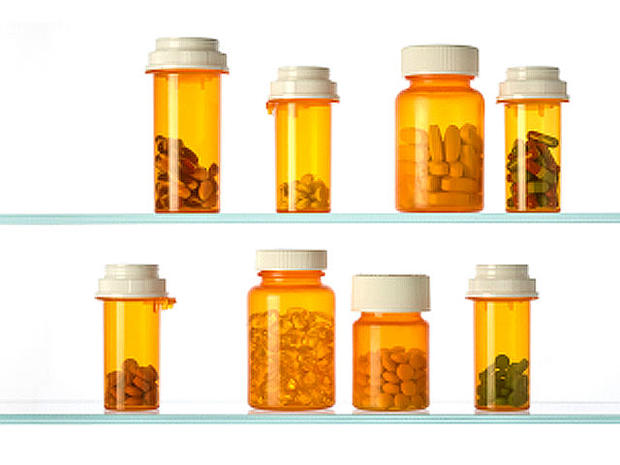
How to approach herbal supplements
If you plan on giving any herbal remedy a try, look for the USP Verified mark on its label. That mark indicates that the product's manufacturer has voluntarily had it evaluated by the independent U.S. Pharmacopeia, a standards-setting authority that makes sure the product contains the ingredients listed on the label, doesn't contain harmful levels of particular contaminants, and complies with the FDA's Good Manufacturing Practices guidelines.
Mullin adds this advice: Begin taking one supplement at a time, so you'll know which is responsible if you have any adverse reactions. And, most importantly, tell your doctor what you're taking. "These are the basics: take one thing at a time, tell your doctor, stop if you're suspicious," he says. "Always do this under some kind of guidance."