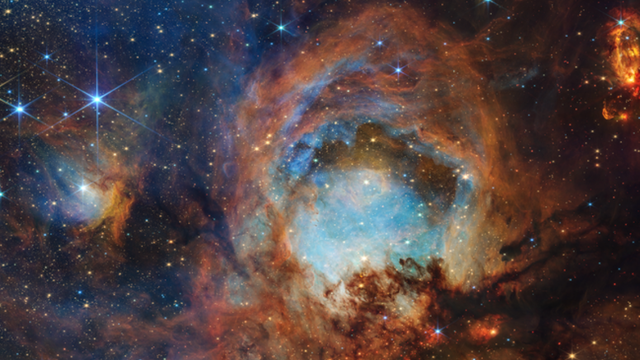
Webb telescope captures images of new stars forming in Cat's Paw Nebula
The Cat's Paw Nebula is about 4,000 light-years from Earth, near the constellation Scorpius.
Watch CBS News
The Cat's Paw Nebula is about 4,000 light-years from Earth, near the constellation Scorpius.
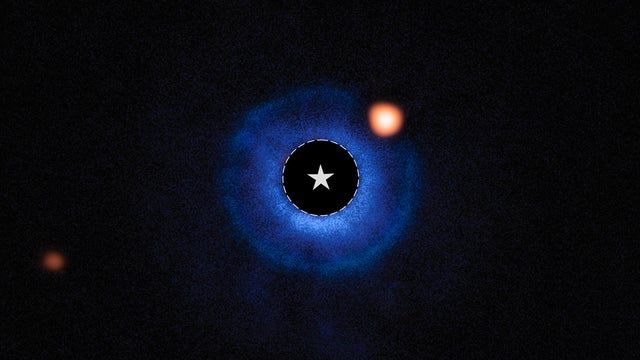
The exoplanet, a planet beyond our solar system, has been dubbed TWA 7b after NASA's James Webb Space Telescope captured evidence of it.
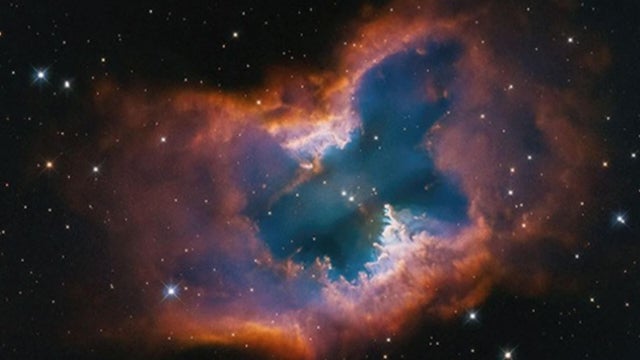
The Hubble Space Telescope "opened a new window to the universe" when it launched into space. Now, 35 years later, NASA is releasing some stunning images to celebrate.
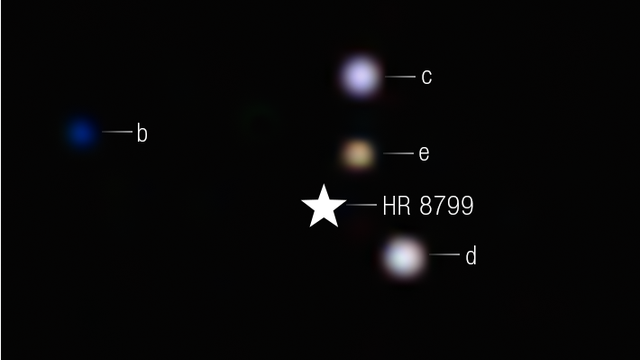
The gas giants outside our solar system are not capable of hosting extraterrestrial life, but do offer clues in a lingering mystery about how distant planets form, researchers said.
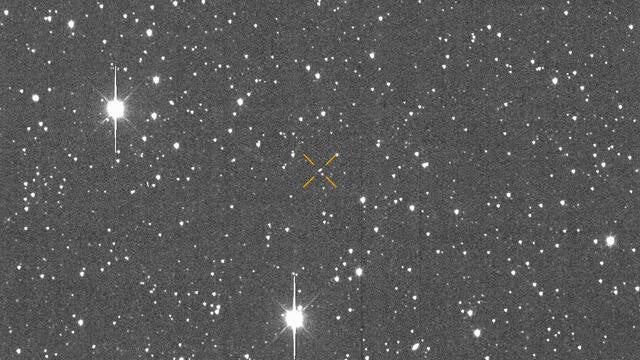
The asteroid 2024 YR4 has a very small chance of striking Earth when its orbit briefly intersects our planet's in December 2032.
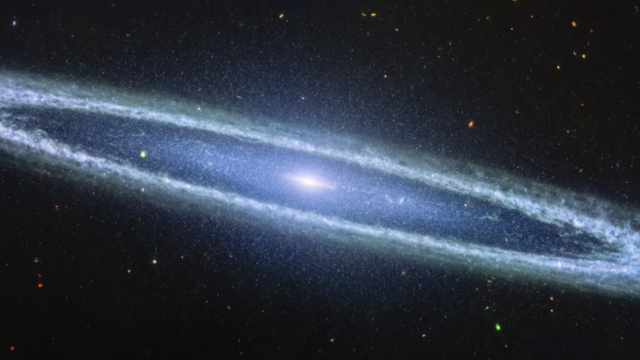
The Sombrero galaxy, named for its resemblance to the Mexican hat, is about 30 million light-years from Earth.
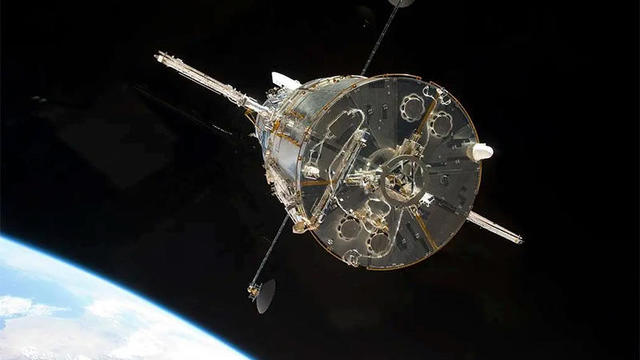
Despite being down to two operational gyroscopes, Hubble is still expected to operate well into the 2030s, NASA said.
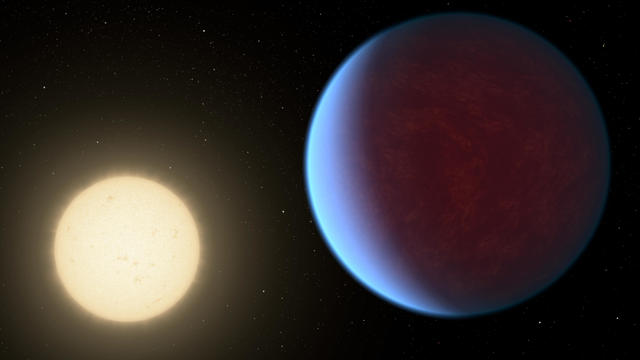
The so-called super Earth — known as 55 Cancri e — is among the few rocky planets outside our solar system with a significant atmosphere.
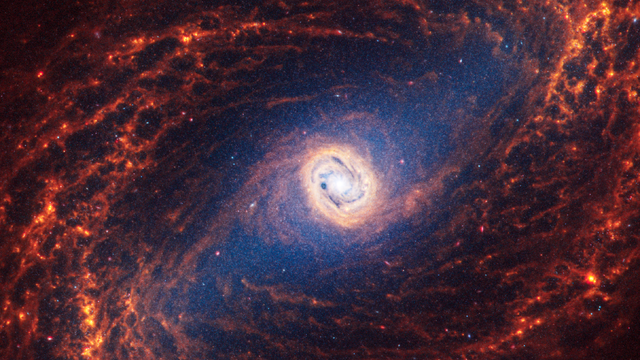
The new images captured by the James Webb Space Telescope are "mind-blowing even for researchers who have studied these same galaxies for decades," one scientist said.
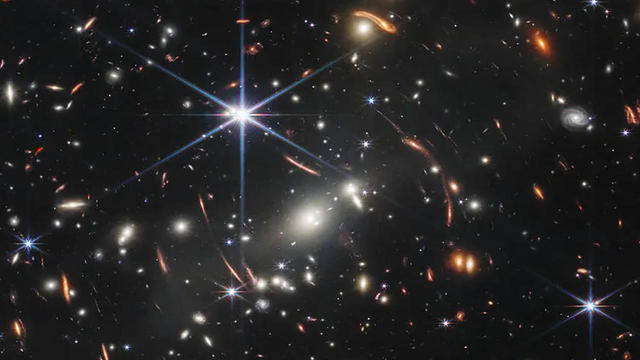
In the two years since the telescope was blasted into orbit, it has performed like a champ, capturing phenomenal images of the heavens and collecting data about distant planets – and scientists say it will continue for decades.
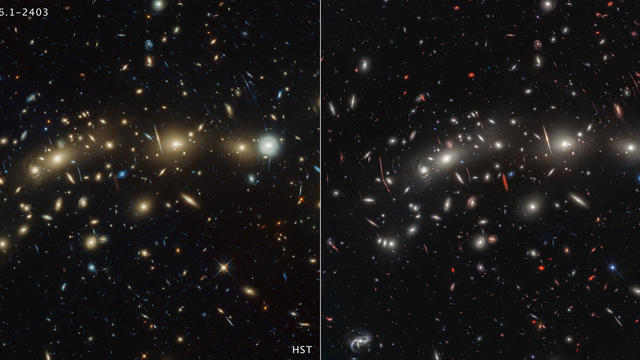
Sparkling and colorful images of faraway galaxy clusters recently released by NASA show one of the most detailed views of the universe ever taken.
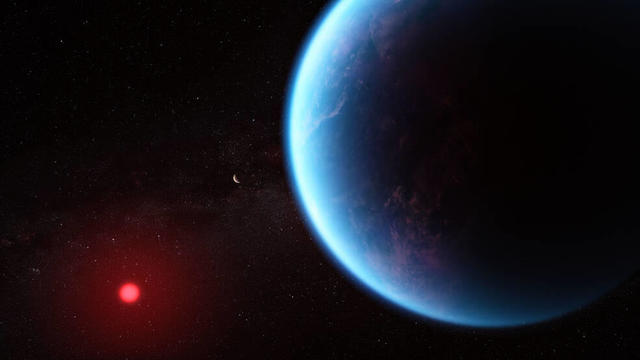
The exoplanet, called K2-18 b, could be a Hycean planet – meaning it has a hydrogen-rich atmosphere and an ocean.
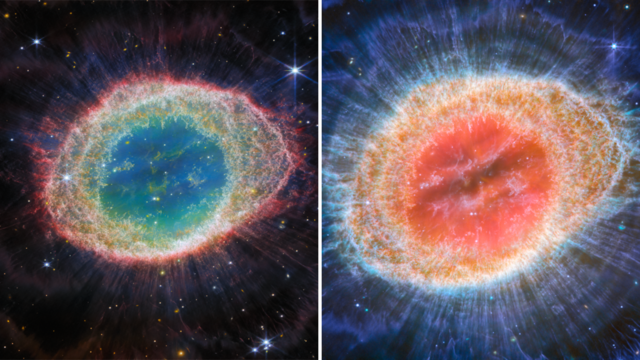
New images from the James Webb Space Telescope have revealed intricate details of a dying star's final stages, NASA said.
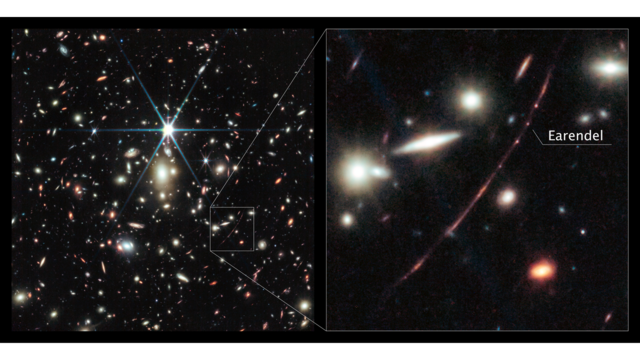
NASA has revealed new information about the star Earendel, which scientists say is now 28 billion lightyears away.
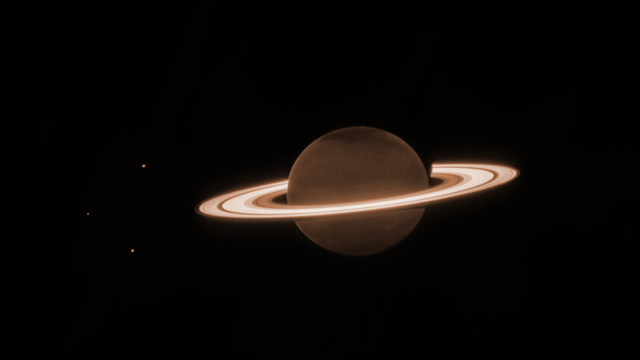
NASA unveiled a stunning image of the ringed planet and several of its moons.
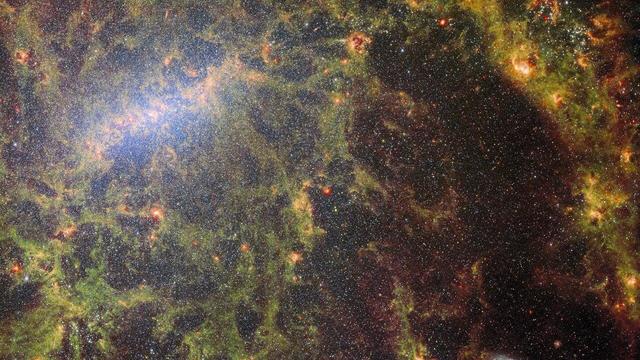
One of the new images, part of an "astronomical treasure trove" reveal asteroid tails shooting across the far-off galaxy.
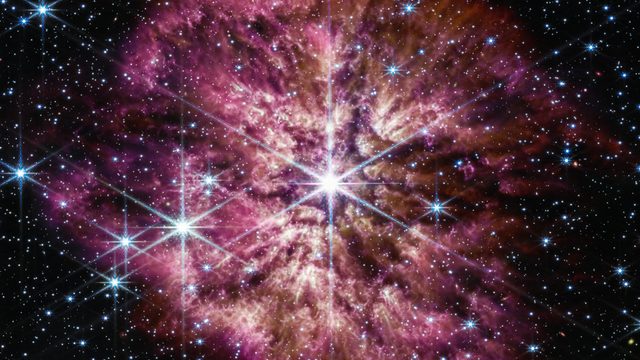
NASA's Webb Space Telescope has captured the rare phase of a star in the constellation Sagittarius on the cusp of dying.

The James Webb Space Telescope revealed galaxies from more than 13 billion years ago that seem to be as mature as the Milky Way is now: "Something so unexpected it actually creates problems for science."
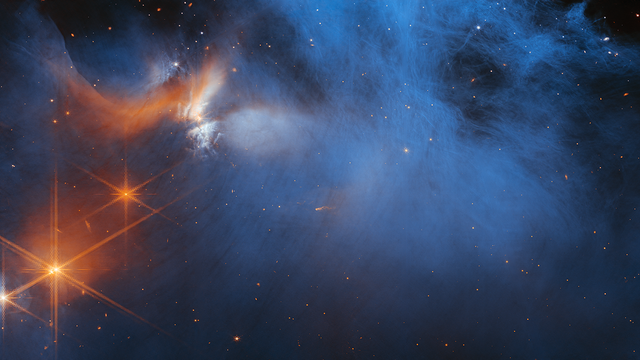
The icy ingredients studied in a molecular cloud 500 light-years away provide a "spectral snapshot" of the origins of space bodies.
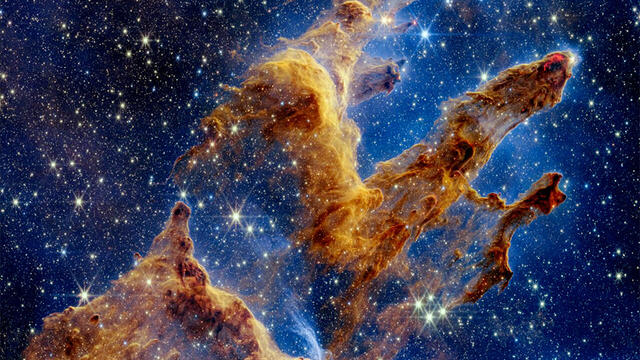
The $10 billion James Webb Space Telescope takes one of Hubble's most famous images to new heights.

Webb's unprecedented infrared imaging capabilities provide a new glimpse into the farthest planet from the sun.
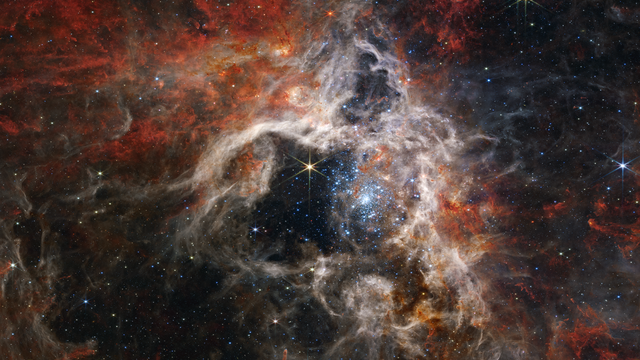
NASA's James Webb Space Telescope has revealed more details about how star are formed in the Tarantula Nebula.
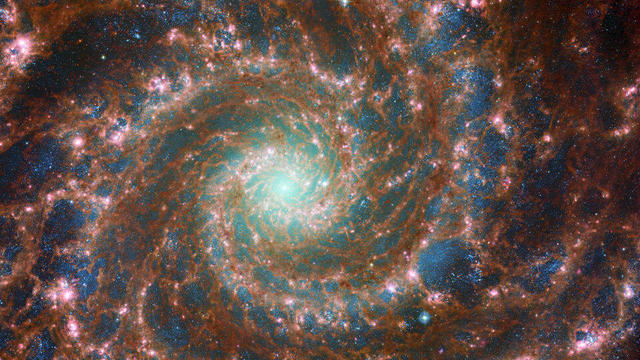
The veteran and the new kid on the block have teamed up to produce a stunning image of the popular spiral galaxy.
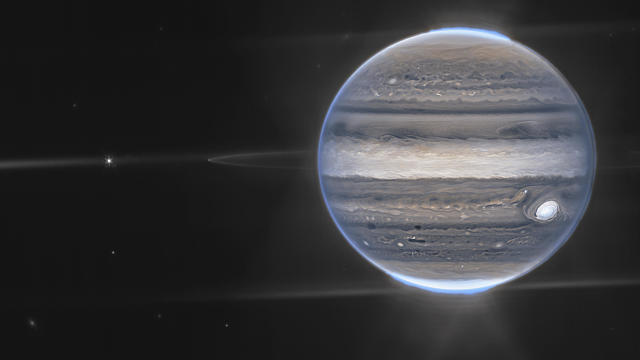
These are the most detailed images to date of the solar system's largest planet.
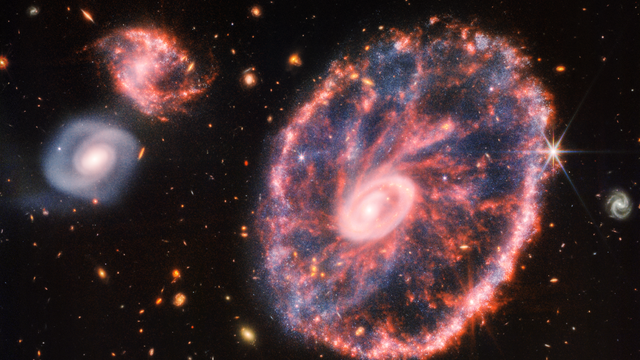
The Cartwheel Galaxy, named for its resemblance to a wagon wheel, is located about 500 million light-years away.