Sodium overkill: Top 10 culprits in U.S. diet
(CBS) Nine out of 10 Americans consume more sodium than they need, according to a new report from the Centers for Disease Control and Prevention. No one should eat more than 2,300 milligrams of sodium a day, equal to about a teaspoon of salt, health officials say - but the average American actually consumes closer to 3,300 milligrams a day.
Too much sodium raises risk for high blood pressure, leading to heart disease and stroke. More than 800,000 people die each year from these and other vascular diseases, says the CDC.
Where does all the sodium come from? According to the report, more than 40 percent of all Americans' sodium intake comes from only 10 types of foods. Most are processed foods, which contain sodium that can't be removed. Keep clicking to see the countdown of foods that account for most of the nation's sodium consumption, with tips from registered dietitian Amy Jamieson-Petonic, spokesperson for the Academy of Nutrition and Dietetics and director of coaching at the Cleveland Clinic.
Coming in at No. 10, salty snacks...
Sodium overkill: Top 10 culprits in U.S. diet

10. Salty snacks
Savory snacks such as chips and pretzels account for 3.1 percent of all sodium consumption. The report recommends checking the Nutrition Facts label on snacks - a bag of potato chips can contain sodium in amounts ranging from 50 to 200 milligrams. Jamieson-Petonic suggests whole-grain pita and hummus made from olive oil and garbanzo beans as an alternative.
Sodium overkill: Top 10 culprits in U.S. diet
9. Meat mixed dishes
Sodium overkill: Top 10 culprits in U.S. diet
8. Pasta mixed dishes
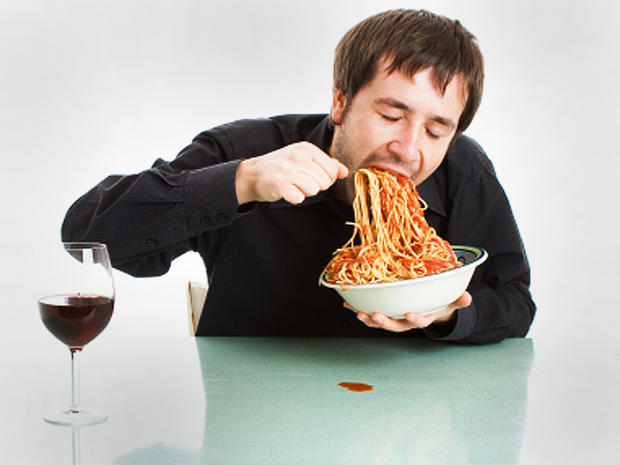
Pasta mixed dishes, such as spaghetti with meat sauce, account for 3.3 percent of sodium consumed. Jamieson-Petonic recommends choosing 100 percent whole-grain pasta with low-sodium sauce, or making your own with fresh herbs and tomatoes. The report shows canned pasta can contain up to 980 milligrams of sodium.
Sodium overkill: Top 10 culprits in U.S. diet
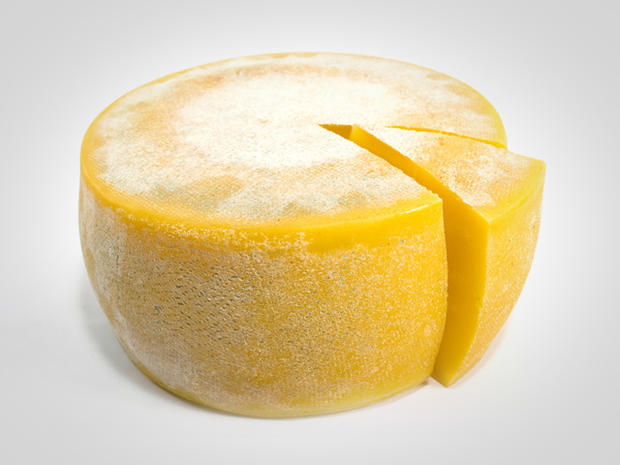
7. Cheese
Cheese accounts for 3.8 percent of all sodium consumption. Jamieson-Petonic warns that cheese in general tends to be very high in sodium, so try to pick the lowest sodium cheese available. According to the report, one slice of American cheese contains between 330 and 460 milligrams of sodium.
Sodium overkill: Top 10 culprits in U.S. diet
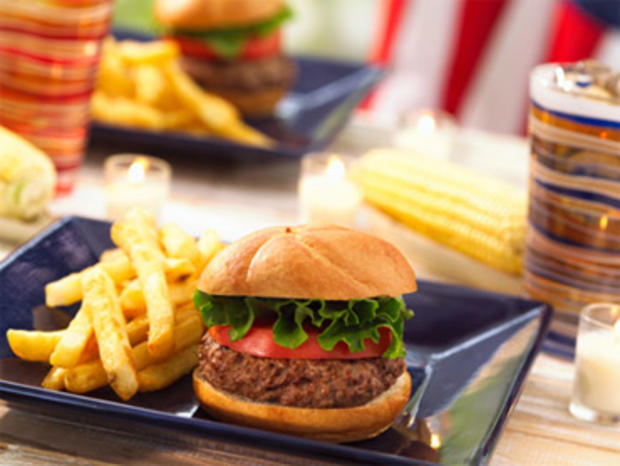
6. Sandwiches
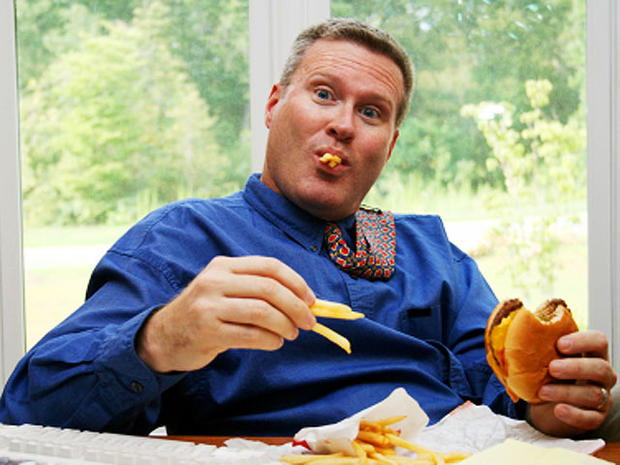
Sandwiches, including burgers, account for 4 percent of all sodium consumption. One cheeseburger can contain up to 1,690 milligrams of sodium - more than the recommended daily intake of 1,500 grams. Jamieson-Petonic advises sticking with lower sodium breads and lunch meats and avoiding high-sodium condiments such as mustard, mayo, or other sauces.
Sodium overkill: Top 10 culprits in U.S. diet
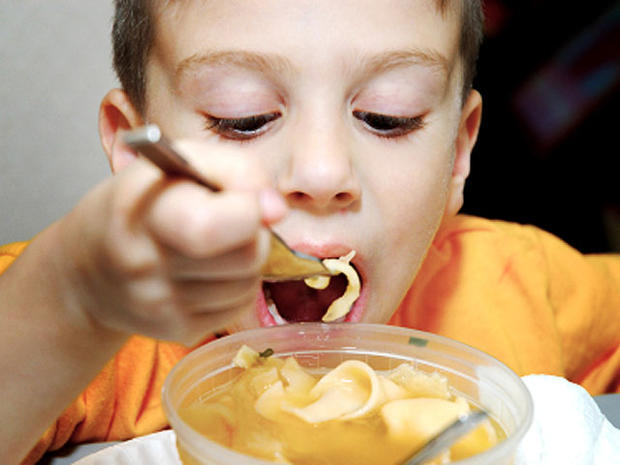
5. Soups
Sodium overkill: Top 10 culprits in U.S. diet
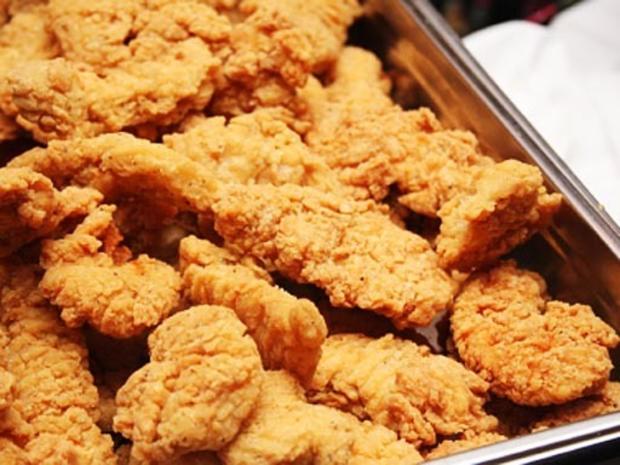
4. Poultry
Sodium overkill: Top 10 culprits in U.S. diet

3. Pizza
Sodium overkill: Top 10 culprits in U.S. diet
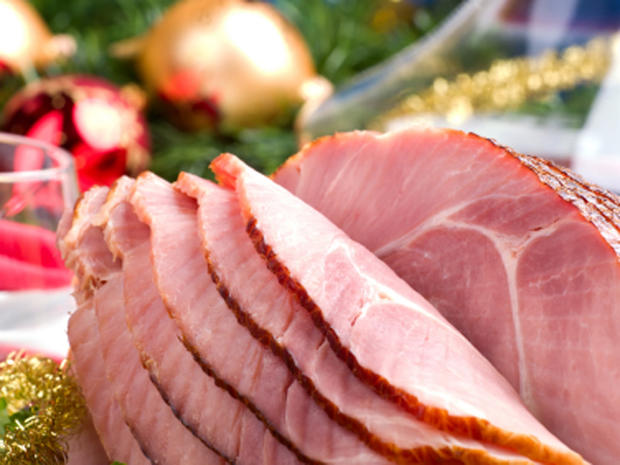
2. Cold cuts and cured meats
Sodium overkill: Top 10 culprits in U.S. diet