Stocks regain ground after early losses as oil prices cool
Stocks recovered from early losses on Monday after oil prices dropped below $100 despite investor concerns that the war in Iran could trigger an energy crunch.
The S&P 500 rose 56 points, or 0.8%, to close at 6,796. The Dow Jones Industrial Average, which had fallen more than 600 points earlier in the day, rebounded to add 239 points, or 0.5%, to close at 47,741, while the Nasdaq Composite gained 1.4%.
Financial markets have been highly volatile since the war in the Middle East erupted last week. The turbulence continued into Monday, after oil surpassed $100 for the first time since 2022, when Russia's invasion of Ukraine pushed up global energy prices.
A barrel of benchmark U.S. crude reached $119.48 during the morning, but retreated to settle at $94.77 and then sank below $85 on Monday afternoon. Brent crude pulled back to settle at $98.96 and then continued dropping toward $95.
In a potential reprieve for investors, President Trump hinted the conflict in the Middle East could soon be coming to an end, telling CBS News senior White House correspondent Weijia Jiang on Monday that "the war is very complete."
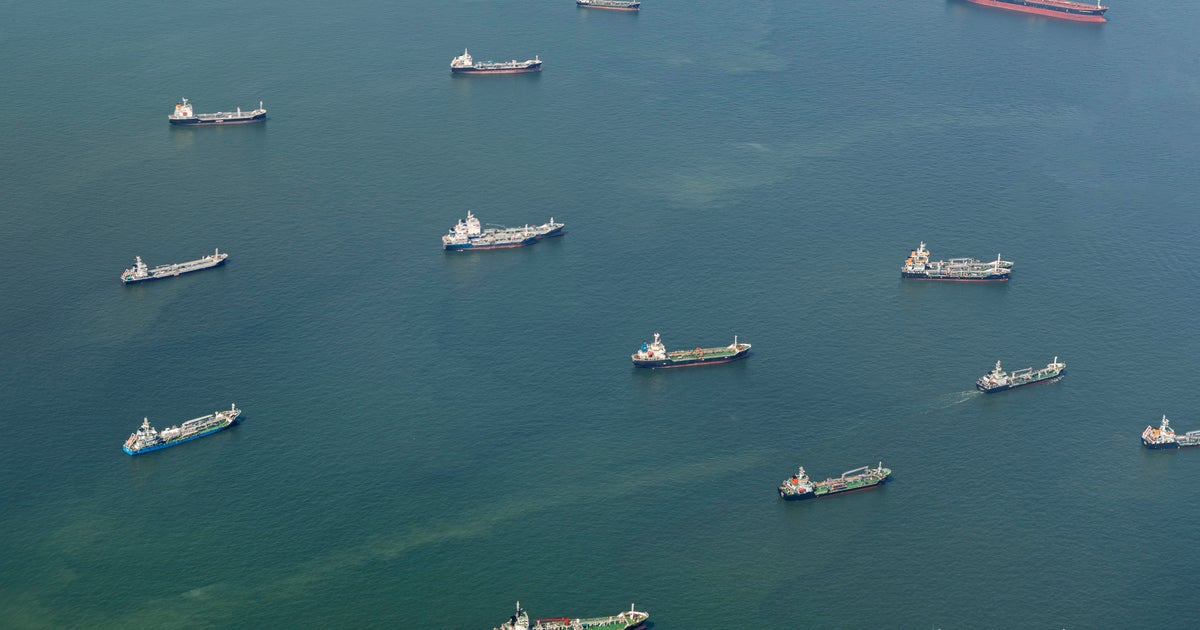
Mr. Trump also said he is considering taking over the Strait of Hormuz, a vital waterway for oil tankers and other commercial ships. The president said the U.S. "could do a lot" about the strait and threatened Iran if it blocks the channel.
Oil shocks
Oil prices started increasing last week after shipping through the Strait of Hormuz came to a virtual standstill. About 20% of the world's oil supply flows through the Strait. That supply hit is affecting motorists around the world and risks affecting a range of other industries, from agriculture to petrochemicals, according to economists.
The Free Press: This Is How an Energy Crisis Starts
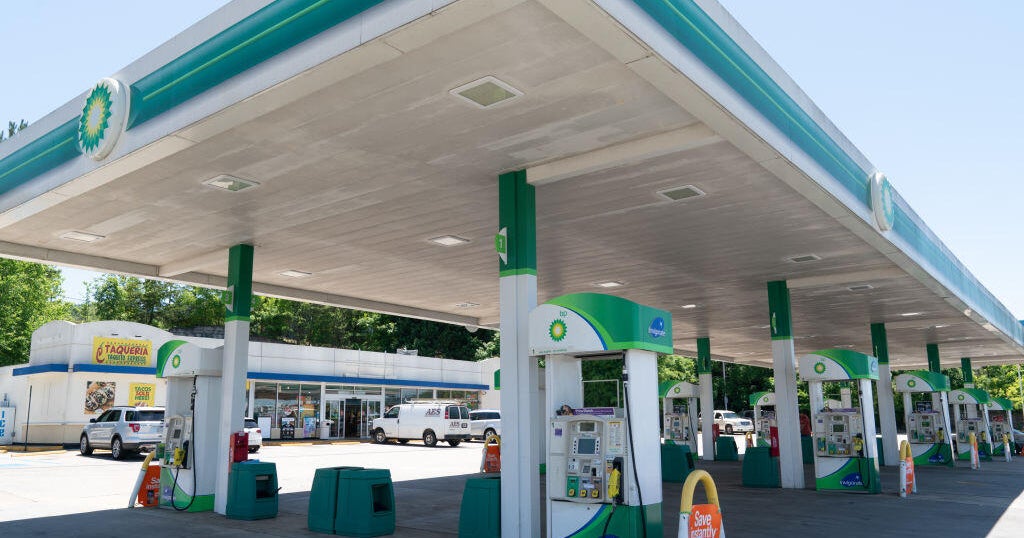
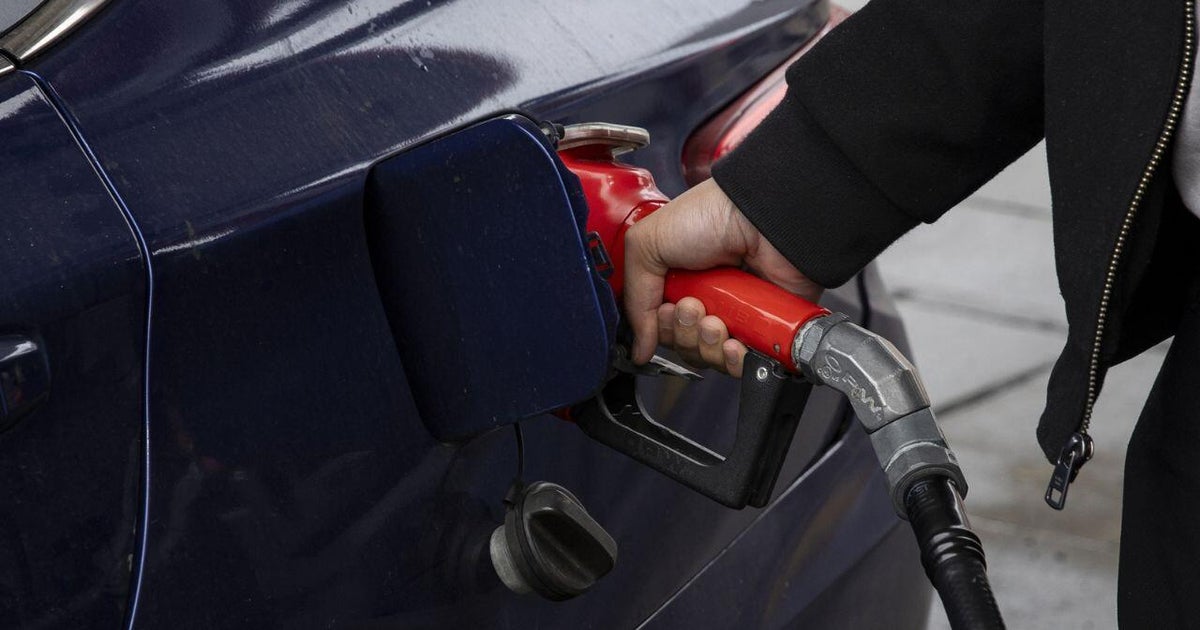
Higher energy prices are leading Americans to pay more at the pump and renewing fears of inflation. The national gas price average in the U.S. rose to $3.48 on Monday, up from about $3 a week ago and $2.90 a month ago, according to AAA.
Wall Street analysts say financial markets tend to look past geopolitical conflicts and predict that stocks will rebound, while noting that volatility is likely to continue until hostilities in Iran ease.
"This oil shock won't end until ships can sail freely through the strait," Ed Yardeni of Yardeni Research told investors in a report on Monday. "Until then, the financial markets are likely to become increasingly concerned about a 1970s-style stagflation scenario."