Achoo! 12 worst cities for allergy sufferers
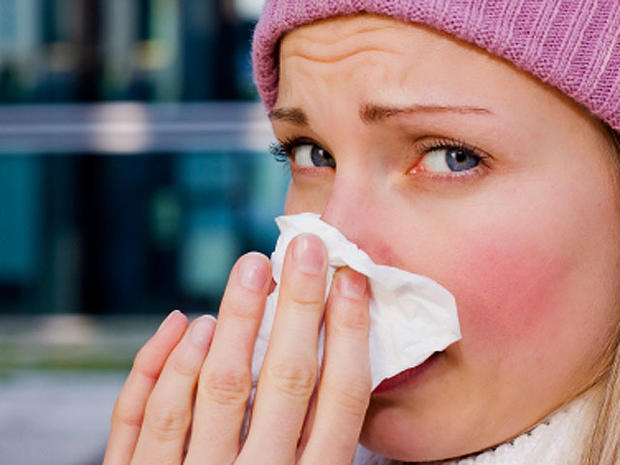
The AAFA says your nose knows when spring is near, because that's when pollen counts are highest and symptoms begin for many Americans.
"Springtime allergy triggers - primarily tree pollen - cause symptoms including itchy runny nose, nasal and sinus congestion, repeated sneezing, watery eyes, inflamed sinuses and, in severe cases, difficulty breathing due to all of these symptoms," the AAFA explained. "Nasal allergy symptoms can be even more problematic if you also have asthma."
But not every city in the U.S. is equal when it comes to allergy season, says the AAFA. For the organization's annual list of "Allergy Capitals," researchers studied data from 100 of the largest metro areas in the country to create an allergy score based on pollen counts, how much over-the-counter and prescription allergy medications residents used, and the number of allergy specialists available per patient.
Is your state an allergy capital? Keep clicking to find out...
Achoo! 12 worst cities for allergy sufferers

12. Birmingham, Alabama
Total score (combining pollen scores, number of allergy medications used per patient, and the number of allergy specialists per patient): 81.21 out of 100
Pollen score: Average
Medical utilization of allergy drugs: Above average
Number of board certified allergists: Below average
Achoo! 12 worst cities for allergy sufferers

11. Baton Rouge, Louisiana
Total score (combining pollen scores, number of allergy medications used per patient, and the number of allergy specialists per patient): 81.66 out of 100
Pollen score: Average
Medical utilization of allergy drugs: Above average
Number of board certified allergists: Below average
Achoo! 12 worst cities for allergy sufferers

10. Dayton, Ohio
Total score (combining pollen scores, number of allergy medications used per patient, and the number of allergy specialists per patient): 82.15 out of 100
Pollen score: Above average
Medical utilization of allergy drugs: Above average
Number of board certified allergists: Average
Achoo! 12 worst cities for allergy sufferers

9. San Antonio, Texas
Total score (combining pollen scores, number of allergy medications used per patient, and the number of allergy specialists per patient): 84.41 out of 100
Pollen score: Above average
Medical utilization of allergy drugs: Above average
Number of board certified allergists: Below average
According to the AAFA, San Antonio jumped so many spots from last year because of a "skyrocketing" pollen count.Achoo! 12 worst cities for allergy sufferers

8. Memphis, Tennessee
Total score (combining pollen scores, number of allergy medications used per patient, and the number of allergy specialists per patient): 85.19 out of 100
Pollen score: Above average
Medical utilization of allergy drugs: Above average
Number of board certified allergists: Average
Achoo! 12 worst cities for allergy sufferers

7. Chattanooga, Tennessee
Total score (combining pollen scores, number of allergy medications used per patient, and the number of allergy specialists per patient): 89.63 out of 100
Pollen score: Average
Medical utilization of allergy drugs: Above average
Number of board certified allergists: Below average
Achoo! 12 worst cities for allergy sufferers

6. Oklahoma City, Oklahoma
Total score (combining pollen scores, number of allergy medications used per patient, and the number of allergy specialists per patient): 90.57 out of 100
Pollen score: Above average
Medical utilization of allergy drugs: Above average
Number of board certified allergists: Average
Achoo! 12 worst cities for allergy sufferers

5. Wichita, Kansas
Total score (combining pollen scores, number of allergy medications used per patient, and the number of allergy specialists per patient): 91.36 out of 100
Pollen score: Above average
Medical utilization of allergy drugs: Above average
Number of board certified allergists: Average
Achoo! 12 worst cities for allergy sufferers

4. Jackson, Mississippi
Total score (combining pollen scores, number of allergy medications used per patient, and the number of allergy specialists per patient): 92.85 out of 100
Pollen score: Average
Medical utilization of allergy drugs: Above average
Number of board certified allergists: Average
Achoo! 12 worst cities for allergy sufferers

3. Louisville, Kentucky
Total score (combining pollen scores, number of allergy medications used per patient, and the number of allergy specialists per patient): 93.31 out of 100
Pollen score: Above average
Medical utilization of allergy drugs: Average
Number of board certified allergists: Above average
Achoo! 12 worst cities for allergy sufferers

2. McAllen, Texas
Total score (combining pollen scores, number of allergy medications used per patient, and the number of allergy specialists per patient): 96.71 out of 100
Pollen score: Average
Medical utilization of allergy drugs: Above average
Number of board certified allergists: Above average
Achoo! 12 worst cities for allergy sufferers

1. Knoxville, Tennessee
Total score (combining pollen scores, number of allergy medications used per patient, and the number of allergy specialists per patient): 100 out of 100
Pollen score: Above Average
Medical utilization of allergy drugs: Above average
Number of board certified allergists: Average
Coming in at No. 1 was Knoxville, the third city from the state of Tennessee to make the top 10 allergy capitals list. "Every year Tennessee dominates our top 10," Angel Waldron, spokesperson for the Asthma and Allergy Foundation of America, told HealthPop. She said Knoxville residents over-medicate during allergy season with prescription and over-the-counter drugs, when what they really need is to make an appointment with an allergist.
And by practicing prevention. Keep clicking for tips on how residents in these cities can avoid allergies.
Achoo! 12 worst cities for allergy sufferers
Tips to avoid allergies
What should people do if they live in an allergy city?
"If your city ranks high on our ranking, it's not a sign to pack up and move," Angel Waldron, spokesperson for the Asthma and Allergy Foundation of America, told HealthPop. "There's no cure and there really isn't a place you can go to escape it."
Waldron says people who might move away from pollen could develop an allergy to mold in another city. That's why it's best to see an allergist, or practice prevention.
The Asthma and Allergy Foundation of America provides these tips to help people remain free from hay fever:
- Control dust mites: Keep home surfaces clean and
uncluttered. Bare floors and walls are best, particularly in the bedroom
where you spend one-third of your time. If you must have carpet, throw
rugs that can be washed or low-pile carpets are better.
The single most important method is to put zippered allergen impermeable or plastic covers on all pillows, mattresses and box springs. Encasing mattresses works better than air cleaners to reduce allergy symptoms. - Vacuum weekly: Vacuuming helps keep allergens at bay. But poor-quality vacuums could put dust into the air, so look for asthma & allergy friendly certified devices with a HEPA filter. If you have allergies, wear a dust mask while doing housework and eave the house for several hours after cleaning it.
- Prevent animal dander: Most doctors suggest that people
allergic to animal dander not keep household pets with feathers or fur.
To test the affect of pets on your allergies, go on a long vacation away
from areas where pets have been, since pet dander
can stay around a home for months - even after the pet is gone.
If you still want pets, bring a pet into the house, measure the change in your symptoms, then decide if keeping the pet is worthwhile. If you decide to keep a pet, bar it from the bedroom and keep the door closed. Also cover vents with dense material like cheesecloth. - Prevent entry of pollen by keeping windows and doors closed: Air conditioning in warm weather is best and also helps control dust mites by reducing humidity. Change filters often in window units.
- Avoid mold spores: Reduce moisture around the bathroom, kitchen and other water areas of the home. Dehumidifiers will help reduce both mold and dust mites. Limit yourself to a few house plants. Fix all leaks and other causes of damp areas. Clean moldy surfaces. Rid the yard of moldy firewood and piles of leaves and weeds.
- Control cockroaches: Don't leave food or garbage uncovered. Use poison baits, boric acid and traps instead of chemical agents that can irritate rhinitis and asthma.
For the complete list of allergy capitals, click here.