Pennsylvania Gov. Josh Shapiro's 4th budget proposal calls for minimum wage increases, cannabis legalization
Pennsylvania Gov. Josh Shapiro delivered his fourth budget address at the State Capitol in Harrisburg Tuesday, just three months after last year's budget was passed by state lawmakers.
The $53.2 billion proposal — a $3 billion increase over the 2025-26 budget deal — includes funding for initiatives like cannabis legalization and minimum wage increases, along with hundreds of millions for education. Shapiro's full address can be viewed on our YouTube channel.
Affordability issues
One of the key themes of Shapiro's address was affordability. The governor talked about the rise in utility costs and criticized utility companies for a lack of accountability and transparency.
Shapiro said the state's four largest utility companies — PECO, Duquesne Light, First Energy and PPL — have agreed to take steps to end certain fees and called on the legislature to create benchmarks for how much utility companies can profit.
"We grant these utilities a monopoly. And in exchange, they have a legal responsibility to keep their costs just and reasonable," Shapiro said. "They shouldn't get $1 more than what they need to meet their customers' needs."
The governor also talked about rising housing costs and said he wants to reform zoning laws to cut through red tape. But his biggest push is a $1 billion critical infrastructure fund that would help build thousands of new homes in the state.
"This fund will be supported by issuing bonds that will go toward housing and other needed infrastructure projects," Shapiro said, adding that the commonwealth's improved bond ratings would save the state $25 million compared to what it would've cost two years ago.
Mass transit
The 2026-27 budget aims to secure more mass transit funding by transferring 1.75% of sales and use tax revenue to the Pennsylvania Transportation Trust Fund starting July 1, 2027.
According to the governor's office, this would generate more than $300 million annually for transportation services across the state.
Last year, Shapiro announced nearly $220 million in capital funding for SEPTA to support safety and infrastructure improvements, nearly two weeks after the 2025-26 budget passed without additional mass transit funding. The transit agency was faced with several service setbacks in 2025, most notably federally mandated inspections on its Silverliner IV railcars that took hundreds of trains out of commission over several months and a strike threat that eventually ended in a deal between SETPA and the Transport Workers Union Local 234.
Minimum wage increase
Shapiro is again calling on lawmakers to approve a minimum wage hike in Pennsylvania. The state's minimum wage has remained at the federal level of $7.25 per hour since 2009.
During his address, Shapiro said the state Senate has "refused to act" on minimum wage hikes after the House of Representatives passed legislation to do so twice.
In 2026, New Jersey saw its minimum wage increase to $15.92 per hour — up $0.43 — for most employees. Delaware's minimum wage was increased to $15 at the start of 2025.
The governor says the proposed minimum wage hike — which would go into effect on Jan. 1, 2027 — would add about $80 million in annual revenue. Shapiro claimed that the increase would also save the state $300 million per year on entitlement programs like Medicaid.
"We can put more money in their pockets so they don't need Medicaid anymore," he said.
Legalizing cannabis
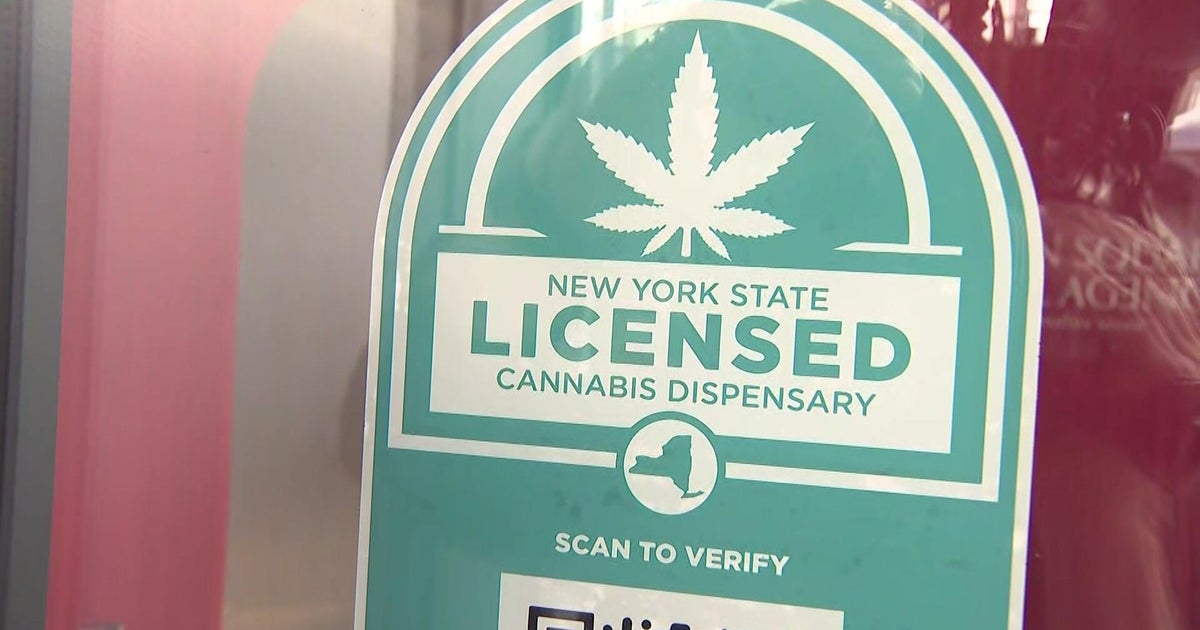
The governor's proposal would see adult-use cannabis legalized as soon as July 1, 2026, and regulated sales begin on Jan. 1, 2027. Shapiro says sales would generate more than $200 million in tax revenue annually.
The governor is also proposing that people incarcerated for only cannabis possession-related offenses have their records immediately expunged. The budget includes $10 million for "restorative justice initiatives" and $25 million to help new and small businesses entering the cannabis market.
Last summer, a bipartisan bill was introduced in the House of Representatives that would establish a "stable, well-regulated cannabis market that prioritizes public safety and public health, protects children from exposure, promotes social justice and fosters economic opportunity."
There's been no movement on the bill since July 14, 2025, when it was moved to committee.
No tax hikes
According to the governor's office, the budget proposal does not include any tax increases.
In his proposal, Shapiro highlighted the Working Pennsylvanians Tax Credit, which was created by the 2025-26 budget. The governor said in its first year, the credit will provide $193 million in tax relief.
Protections for kids
In addition to outlining his financial goals for the commonwealth, Shapiro discussed some of the bills he'd like to see the General Assembly take up and send to his desk, including several that involve protections for kids.
The first concerned AI chatbots, which Shapiro said are "proliferating across the internet."
Shapiro said he's directed several state agencies to explore legal challenges to developers of bots that claim to hold medical licenses in Pennsylvania.
He also called on the legislature to pass bills enshrining protections for kids against chatbots:
- Require age verification and parental consent
- Detect when children mention self-harm or violence against others and direct them to authorities
- Periodically remind users that there is no human on the other side of the screen
- Ban AI chatbots from producing sexually explicit or violent content featuring kids.
"This space is evolving rapidly. We need to act quickly to protect our kids," Shapiro said.
The governor also re-upped a push to ban kids from using cellphones during school time. It's something other states have taken up recently, including New Jersey.
The state Senate on Tuesday passed a bill banning student cellphone use during school hours. That bill now heads to the House.
"Students need to spend less time focused on their phones and more time focused on learning, on talking to their friends face-to-face and on developing the critical skills they'll need later in life," he said.
Shapiro also directed the Board of Education to guarantee recess for kids.
Uncertainty around federal funding
Early in his speech, the governor called on state lawmakers to help protect against uncertainty around future federal funds. The Trump administration has sought cuts to certain programs, and Shapiro mentioned the White House's clawing back of $18 million in Homeland Security dollars.
Shapiro noted he's sued the administration 19 times over attempts to pull back on federal money. In his budget, he's proposing a $100 million Federal Response Fund to "help mitigate any future actions — or inactions — by the federal government" that would cut services in Pennsylvania.
"Understand, this isn't an ideological fight. It's about making sure Pennsylvanians get back what they are owed," said Shapiro. "You see, Pennsylvanians pay $158 billion in federal taxes each year. And we expect to get something for that money."
Lawmakers have struggled to pass budgets on time
Shapiro's proposal will face immediate challenges. For starters, several high-ranking Republicans have already noted concerns about the $53 billion topline number, the largest in state history.
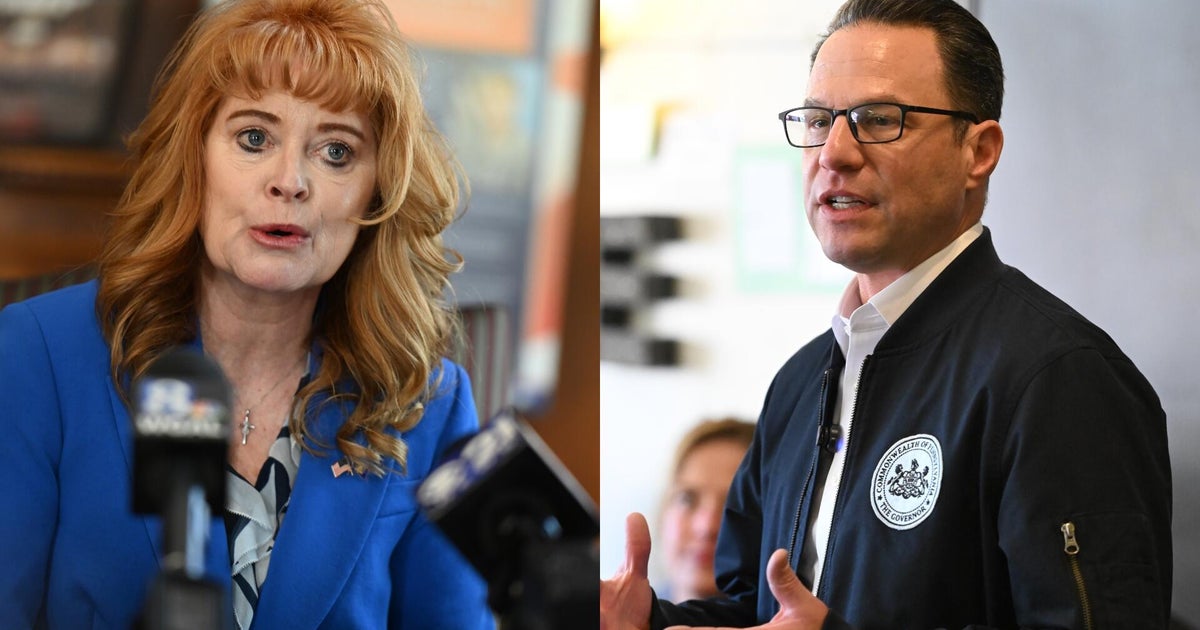
"The product unveiled today spends too much, grows government too much and relies too much on unsustainable sources of revenue," said state Rep. Jesse Topper, the top House Republican.
The $50 billion 2025-26 budget was passed by the Pennsylvania House and Senate in November 2025 after months of delay in the politically divided legislature.
After last year's budget was finally approved, Shapiro told KDKA in Pittsburgh that his administration was working to speed up the approval process in the future. Given that 2026 is an election year and Shapiro, the entire House and half of the Senate are up for reelection, it's possible the budget amendment and approval process could move more quickly.
However, the newest budget proposal is the largest in state history. As it stands, the budget would outspend what the commonwealth takes in, so cuts and amendments are expected.
Republicans currently have the majority in the state Senate. Democrats hold a narrow majority in the state House.