Pennsylvania lawmakers pass $50 billion state budget after months of delay
The Pennsylvania House and Senate passed a roughly $50 billion budget that will get money flowing to public schools and social services again after months of delay.
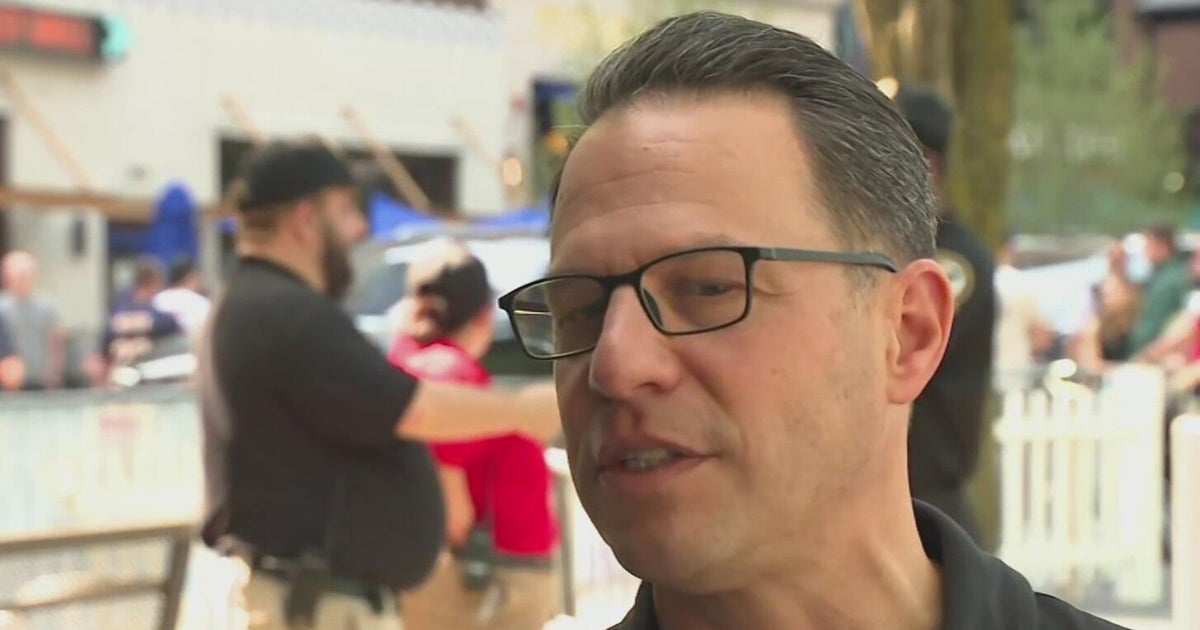
Democratic Gov. Josh Shapiro signed key budget bills Wednesday, ending an impasse that has lasted since July.
"This day, of course, has been a long time coming. I proposed my budget 281 days ago," Shapiro said. "A budget that was laser-focused on continuing the progress we made in the first two years of our administration on fueling Pennsylvania's rise by investing in creating schools and creating more opportunities for our children. By expanding our workforce and growing Pennsylvania's economy. By cutting taxes and reducing costs for Pennsylvanians who work so hard."
"I would have loved to have stood here in this room with all of you on June 30," the governor added. "But as you know, Pennsylvania is just one of only three states in the country with a divided Legislature. It requires all of us to compromise."
What's in the Pennsylvania budget
The $50.09 billion budget is $2.27 billion higher, or 4.7% higher, than the previous fiscal year. Highlights include growth in funding for certain school districts as well as a 4.1% combined increase in the Pennsylvania State Police's budget, documents provided by Democratic House Appropriations Committee Chairman Jordan Harris' office show.
The budget also boosts funding for the State Food Purchase Program to $30.688 million, a 15% increase.
A key concession to help seal a deal meant Democrats agreeing to Republican demands to back off any effort to make Pennsylvania the only major fossil fuel-producing state to force power plant owners to pay for their planet-warming greenhouse gas emissions.
The budget includes no new revenue sources, but also doesn't touch the state's $7.5 billion rainy day fund.
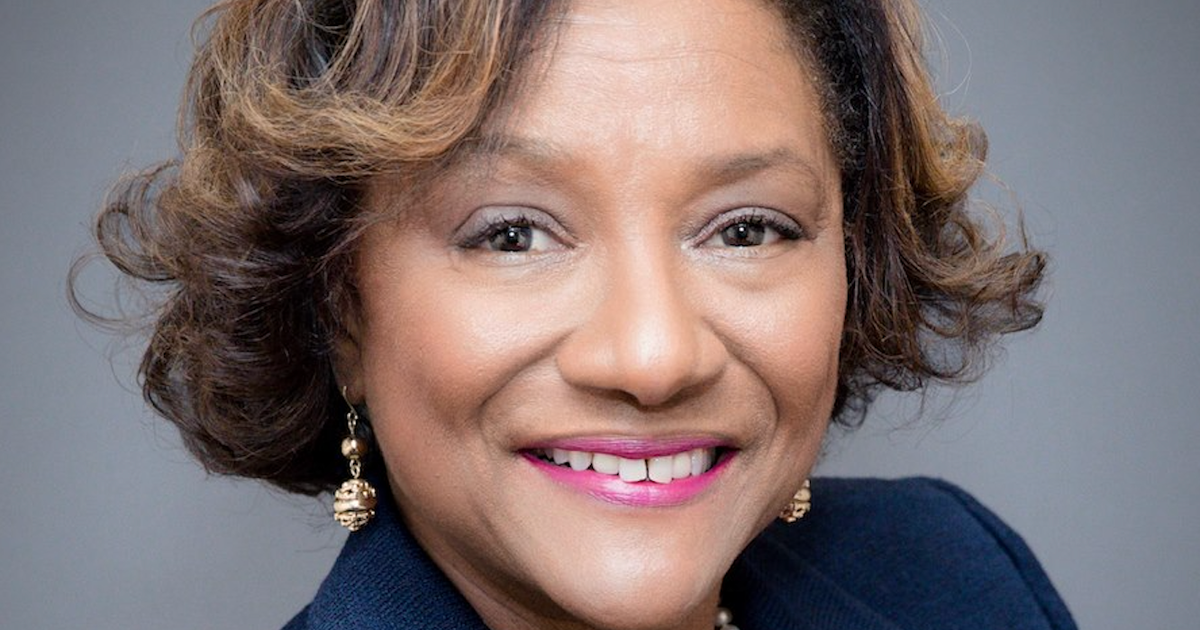
"This year's budget comes from bipartisan compromise and delivers responsible government without raising taxes or tapping into the rainy day fund," Republican U.S. Rep. Kristin Marcell said. "We kept our commitment to Pennsylvania families by controlling spending to prevent any tax increases and focusing on making key investments where they matter most."
School budget impacts
Democrats won't get the amount of money that Shapiro originally sought in his initial budget proposal, but the deal — after weeks of closed-door negotiations — is expected to deliver substantial new sums to public schools and an earned income tax credit for lower earners, as Democrats had sought.
During the delay to get the budget passed, many schools have taken out revenue anticipation loans to stay afloat. Some school district leaders had said they would struggle to operate normally and would be in "uncharted territory" if the budget was not passed by January 2026.
"This budget represents a compromise that invests in many of the programs I've championed for our communities," Democratic House Speaker Joanna McClinton said in a statement. "First, the budget continues Pennsylvania's commitment to equitable school funding for districts like William Penn and Philadelphia. With more than $500 million directed to historically underfunded districts, schools can continue to reduce class size, offer more learning opportunities for students, provide free breakfast, and make sure every child has the tools they need to succeed."
Relief at a Pennsylvania budget deal
In Harrisburg, the budget's passage will bring relief that the stalemate is over.
"The win is that we're going to, hopefully before the end of the day, have a funding plan for the commonwealth and that's a win for everybody who's been waiting on state resources," Harris told reporters in a Capitol hallway Wednesday morning.
The advancing votes in the politically divided Legislature arrive weeks after counties, school districts and social service agencies are warning of mounting layoffs, borrowing costs and growing damage to the state's safety net.
School districts, rape crisis agencies and county-run social services have gone without state aid since July 1, when the state lost some of its spending authority without a signed state budget in force.
The agreement to back off the carbon dioxide cap-and-trade program on power plants comes six years after then-Gov. Tom Wolf made joining the Regional Greenhouse Gas Initiative the centerpiece of his plan to fight climate change.
The plan made Pennsylvania — the nation's second-largest natural gas producer — the only major fossil fuel-producing state to undertake a carbon cap-and-trade program. It has been held up in court and never went into effect.
It was popular with environmental groups and renewable energy advocates, but it was opposed by Republicans, fossil fuel interests and the labor unions that work on pipelines, refineries and power plants.
Under the $50.1 billion budget deal, new authorized spending would rise by about $2.5 billion, or 5%.
Practically all of the overall spending increase would go toward Medicaid and public schools. Billions in surplus cash will be required for the plan to balance, the second straight year that Pennsylvania is running a multibillion-dollar budget deficit.