What to know about EVs as the winter storm brings bone-chilling temperatures
With temperatures plunging in some states as a massive winter storm bears down across the U.S., some electric vehicle owners could face a cold, hard truth: EVs can lose efficiency in low temperatures, curtailing their driving ranges.
The issue drew widespread attention in January 2024, when some Chicago-area Tesla owners found their EVs' batteries had died in subzero temperatures. Other EV owners have posted online about their vehicles' shorter ranges in winter.
Cold weather can slow an EV battery's chemical and physical reactions, reducing vehicle power. And unlike conventional cars with an internal combustion engine, an EV can't tap its motor's heat to warm the interior. Instead, EVs must tap their batteries to provide cabin heat, which can sap their range, according to Consumer Reports.
At 16 degrees Fahrenheit, EVs lose about 25% of their range when driving at about 70 mph, versus their range when driving at the same speed in mid-60-degree temperatures, Consumer Reports found in road testing.
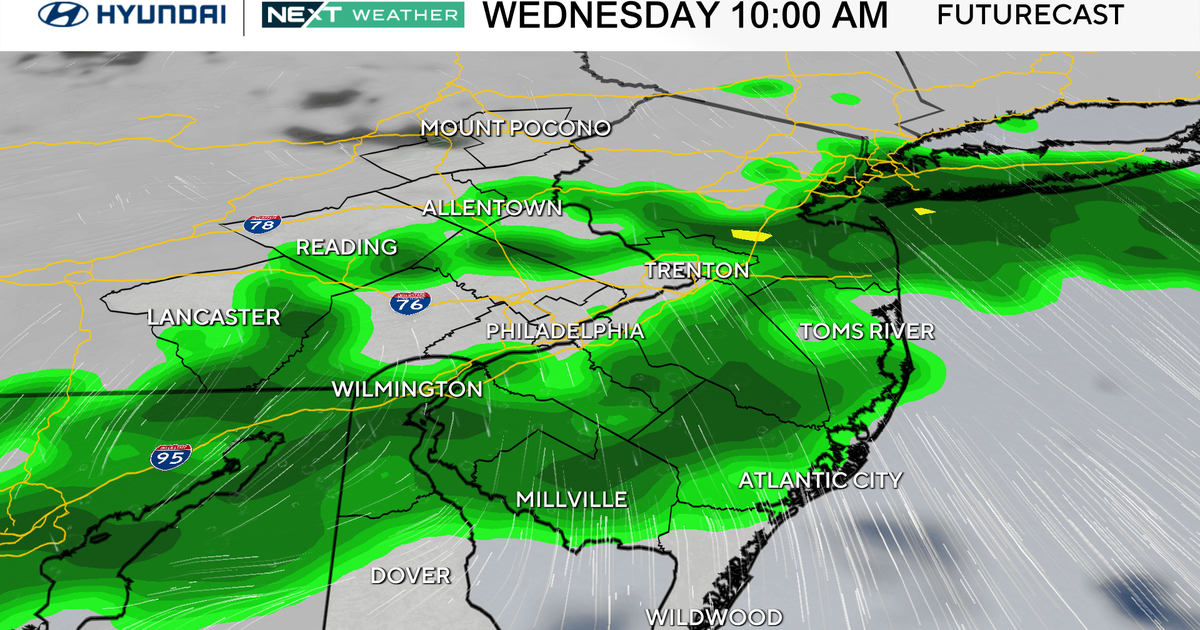
EV owners could be tested this weekend as extreme cold temperatures spread across the U.S., along with freezing rain, snow and rain. Thermometers in the Minneapolis area plunged to 21 degrees below zero on Friday morning, with wind chills making it feel even colder.
Temperatures through the weekend are expected to sink to record lows across parts of the Southern Plains and Mid-Atlantic states.
Are newer EVs better at handling the cold?
Car manufacturers have made some changes that mean newer EVs perform better in cold temperatures, according to the Zero Emission Transportation Association, or ZETA, an industry trade group.
Newer EVs have heat pumps and better battery encasements that can help improve battery efficiency, ZETA noted. South Korean automaker Kia says that its new EV models include advanced heat pumps, which extract heat from the outside air, even in cold weather, and transfer it to the cabin, leaving the EV with more energy available for driving.
Other EVs with heat pumps include the Acura ZDX and Volvo EX40, according to a list published by electric-vehicle research firm Recurrent.
How do EV owners in cold-weather places cope?
Subzero weather isn't a deterrent for drivers in countries with cold climates — that includes Norway, where EVs accounted for 96% of all new car sales last year.
Drivers in cold regions have learned how to minimize the impact of frigid weather on their EVs by following these tips:
- Precondition the battery. This means turning on the EV's heat while it's plugged in to warm the cabin and the battery before hitting the road, which helps because the vehicle uses energy from the charger, rather than the battery.
- Park indoors or in a covered space. Providing shelter from the elements can help reduce the impact of cold weather, according to Volkswagen.
- Minimize demands on the battery. VW advises EV owners to conserve energy by using the auto climate function to manage the cabin's temperature. Another tip is to keep things comfortable by using a vehicle's heated seats or steering wheel, instead of cranking up the heater via the climate system.