DeAndre Hopkins Deletes Tweet Critical Of Controversial Call On Cam Newton Hit
By Michael Hurley, CBS Boston
FOXBORO (CBS) -- For most of Sunday afternoon, the New England Patriots had a whole lot of trouble moving the football. So when the officials awarded the Patriots 15 yards via penalty on what proved to be the game-winning drive against the Cardinals, the call naturally raised some eyebrows.
Among those left a bit perplexed as to why the yellow penalty flag flew was star Cardinals receiver DeAndre Hopkins. Not long after the Patriots won 20-17, Hopkins sent out a tweet questioning why a penalty was called for Isaiah Simmons' hit on Cam Newton.
DeAndre Hopkins had thoughts on this play... he deleted the tweet though. pic.twitter.com/UwIRtmj0eC
— Dov Kleiman (@NFL_DovKleiman) November 29, 2020
DeAndre Hopkins on the Isaiah Simmons penalty on the #Patriots final drive..
— Pro Football Network (@PFN365) November 29, 2020
Since deleted.pic.twitter.com/tZVK1JTDlj
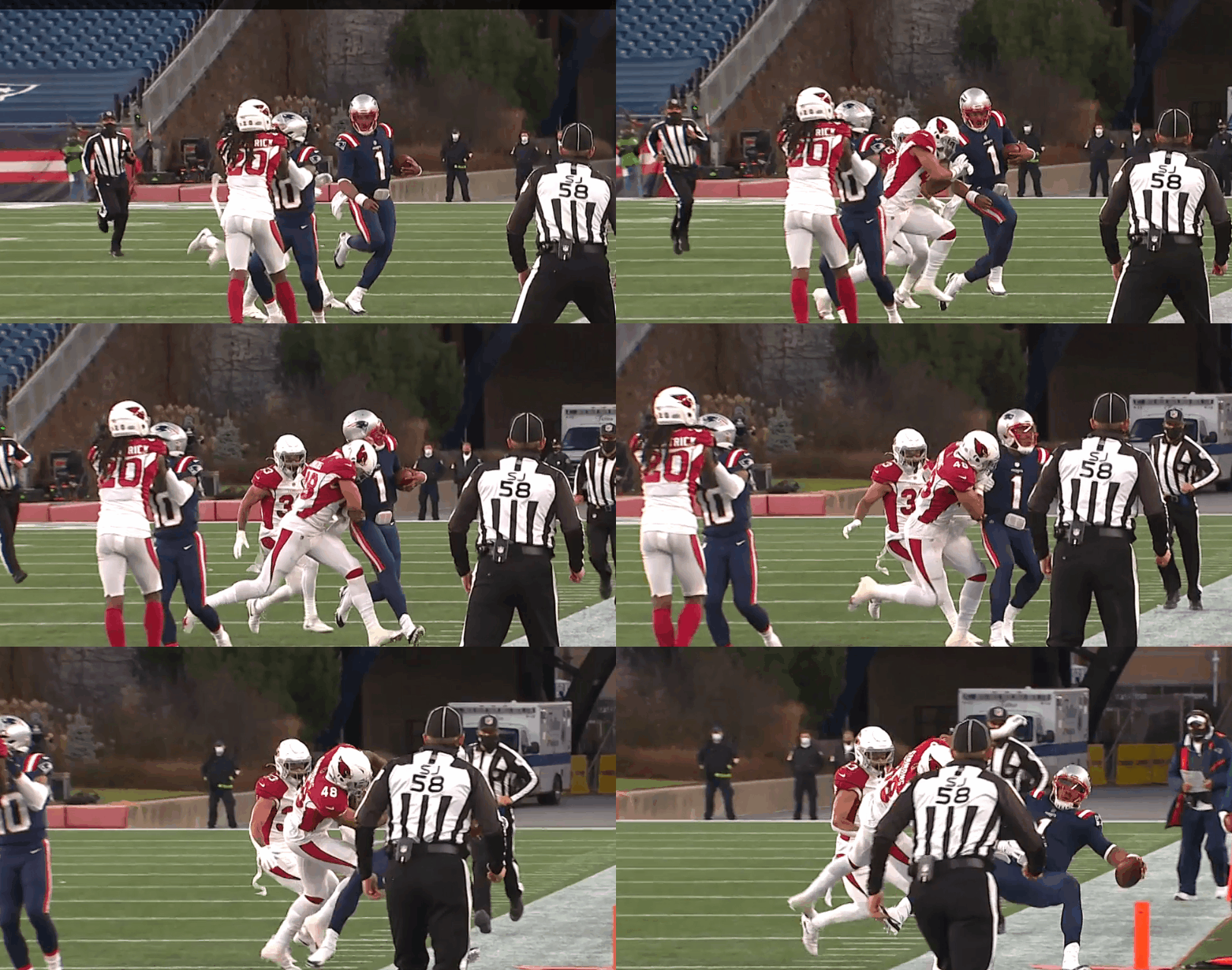
Though the tweet was deleted, Hopkins did have a point. Newton had not yet stepped out of bounds when Simmons delivered the hit.
Here's the problem, though: When referee Bill Vinovich announced the penalty, the did not announce that it was a late hit. Vinovich merely called it a "personal foul." He did not expound upon what penalty had been enforced.
The official NFL game log notes that the penalty enforced was for unnecessary roughness. But during the game, the fact that Simmons initiated contact with Newton by dropping his helmet into the quarterback's could open the door for that penalty to have been enforced.
Simmons had actually been called for a 15-yard penalty earlier in the game for lowering his helmet while delivering a hit on Jakobi Meyers.
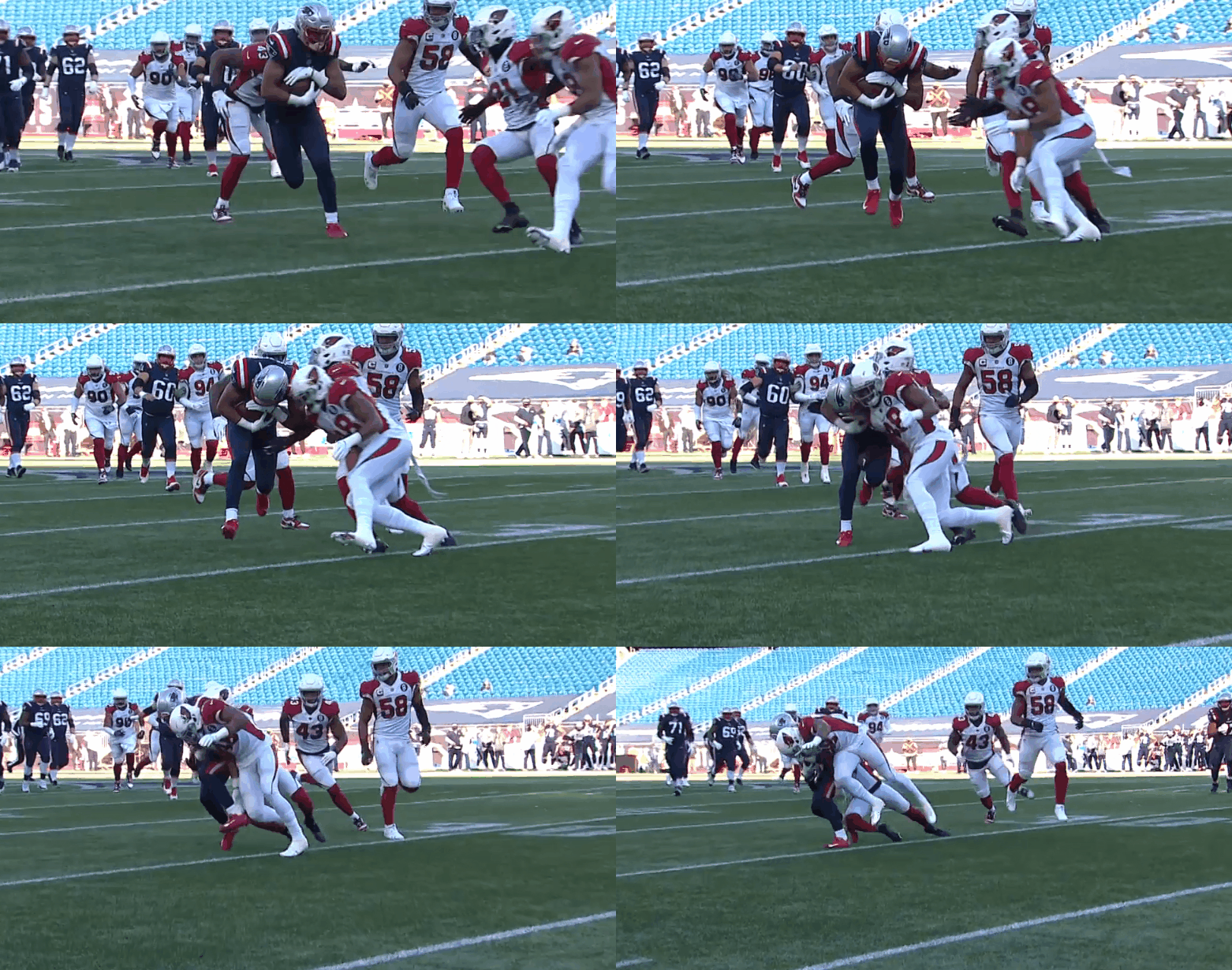
That penalty was costly, too, as it gave the Patriots 15 free yards en route to scoring their first touchdown of the game.
Still, the hit on Newton remained controversial, in part to Vinovich's lack of explanation during the game. Vinovich did speak with a pool reporter after the game, but he was only asked about a blindside block penalty called during a Patriots punt return.
Mike Pereira, the former head of officiating in the NFL, tweeted that he disagreed with the call.
Lots of chatter on Twitter about the hit on Newton. I get it. It was a bit hit and looked like a foul but, it wasn't. Newton was inbounds and Simmons did not lead with his helmet. It was more shoulder to shoulder with maybe incidental contact with the helmet. Not a foul.
— Mike Pereira (@MikePereira) November 29, 2020
It's worth noting, though, that the rule was instituted for the 2018 season, long after Pereira oversaw the officials. His comment that the contact was "more shoulder to shoulder" was also observably incorrect, as a replay showed Simmons hitting the ear hole of Newton's helmet with the crown of his own helmet.
Another former head of officiating also disagreed with the call.
"Here's the bottom line: It's not a foul," Blandino said. "The contact, while it's forceable, Cam is still in bounds. Shoulder to shoulder contact. There's no lowering of the head and initiating with the helmet. It's just a good, hard, legal hit. Unfortunately for the Cardinals, the flag was thrown."
"Here's the bottom line, it's not a foul… It's just a good, hard, legal hit."@DeanBlandino breaks down the unnecessary roughness penalty called on Isaiah Simmons for the hit on Cam Newton. pic.twitter.com/VHSqCW5A3M
— FOX Sports: NFL (@NFLonFOX) November 29, 2020
Again, replay did show that initial contact was made from one helmet to another helmet, so the shoulder-to-shoulder assessment seems off.
This peek behind the curtain of former NFL decision-makers sure does help explain why football viewers (and players) after often left so confused by calls made on the field and by the review office in New York.
After the flag flew, Newton completed a 5-yard pass to Damiere Byrd before James White ran for two more yards prior to a Newton spike. Nick Folk then kicked the 50-yard game-winning field goal, cementing the significance of that call on the sideline.
Given the disagreements from former officiating bosses and the lack of explanation from the on-field official, this one will retain the "controversial" tag for the time being.
You can email Michael Hurley or find him on Twitter @michaelFhurley.