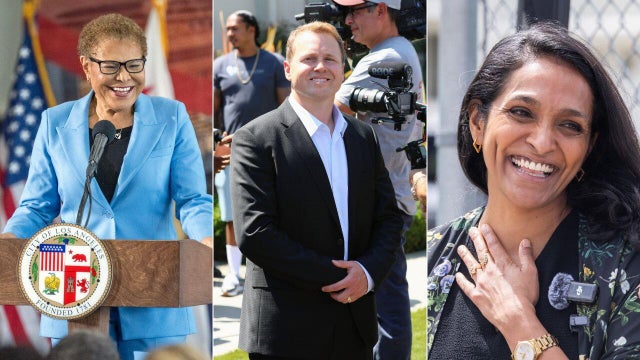
Raman defeats Pratt to face Bass in LA mayoral election, CBS News projects
CBS News projects that incumbent Los Angeles Mayor Karen Bass will face off against Nithya Raman in November's runoff election.
Watch CBS News
CBS News projects that incumbent Los Angeles Mayor Karen Bass will face off against Nithya Raman in November's runoff election.

Federal immigration authorities barred a Somali soccer referee who was slated to officiate the FIFA World Cup from entering the U.S. over the weekend, citing "vetting concerns."
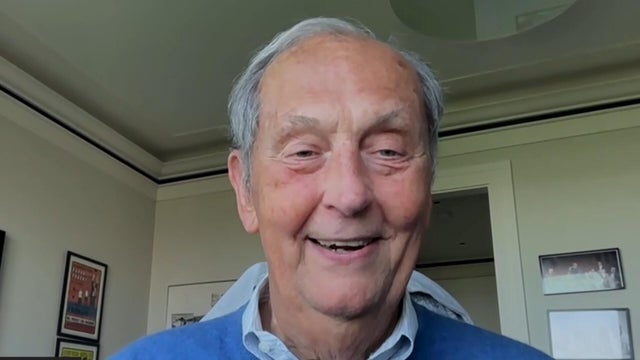
"The people are there to see these two teams play," Bill Bradley said of President Trump's plan to attend Game 3 of the NBA Finals on Monday night.
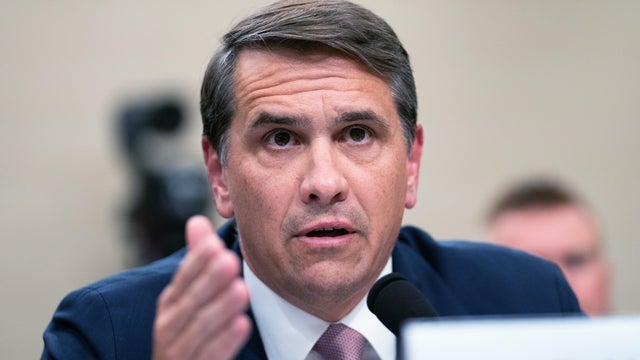
Currently acting attorney general, Todd Blanche may face an uphill confirmation battle from some wary Republican senators.
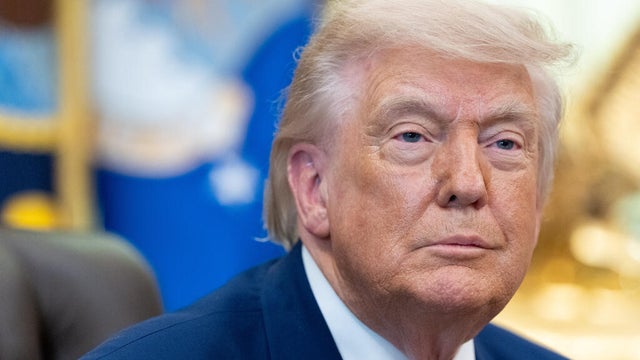
U.S. District Judge Leo Sorokin ruled in favor of a group of 20 states that challenged President Trump's new $100,000 visa fee.

On Friday, the Pentagon cut the number of religious affiliation codes from over 200 to 31 to help military chaplains streamline religious support services.

President Trump abruptly ended an interview with NBC News when repeatedly challenged on his claims of election fraud

The Trump administration on Monday announced it is seeking to revoke the citizenship of 17 U.S. citizens accused of immigration fraud.
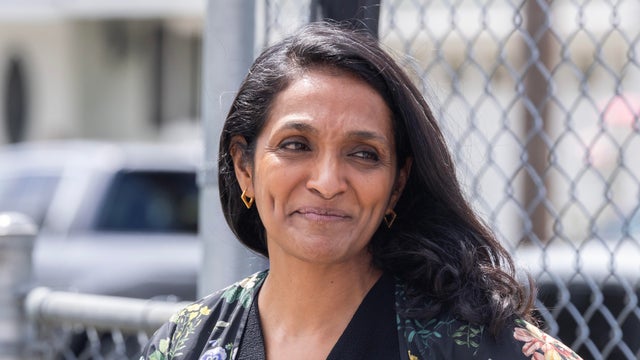
Los Angeles City Council member Nithya Raman surged past Spencer Pratt on Sunday in the race for LA mayor. The California governor's race remains undecided.

The lawsuit calls the event "deeply corrupt" and argues that it seeks to enrich the president and his allies and lacks proper authorization.

On this "Face the Nation with Margaret Brennan" broadcast, Reps. Ro Khanna and Don Bacon join Margaret Brennan.
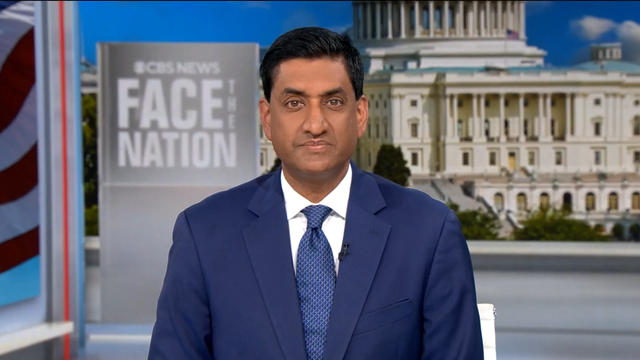
"His actions were misogynistic, they were shameful, they were wrong," Democratic Rep. Ro Khanna, who campaigned with the Senate candidate on Friday, said.
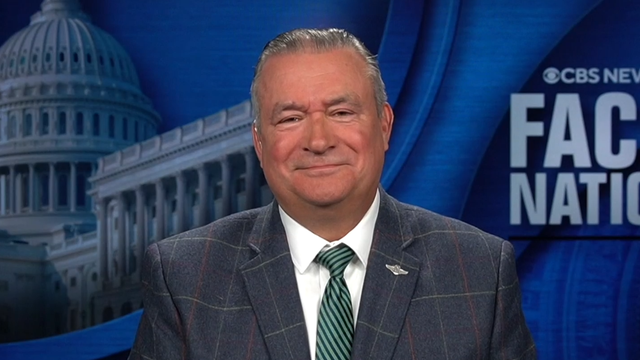
The following is the transcript of the interview with Rep. Don Bacon, Republican of Nebraska, that aired on "Face the Nation with Margaret Brennan" on June 7, 2026.
The following is the transcript of the interview with Rep. Ro Khanna, Democrat of California, that aired on "Face the Nation with Margaret Brennan" on June 7, 2026.
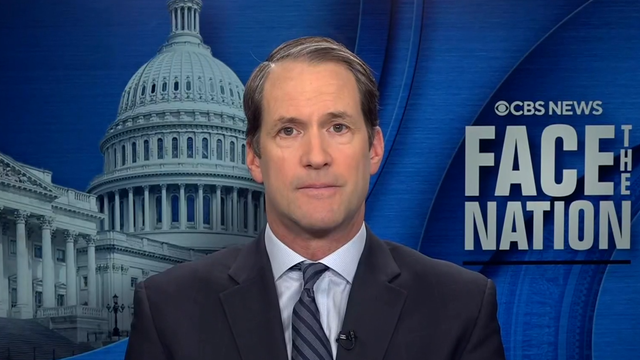
The top Democrat on the House Intelligence Committee said the timing of the appointment takes FISA Section 702 reauthorization "off the table."
The Trump administration on Monday announced it is seeking to revoke the citizenship of 17 U.S. citizens accused of immigration fraud.

Iran and Israel declare a halt to fighting as President Trump says both are seeking an "immediate ceasefire" after a major escalation in the 101-day war.
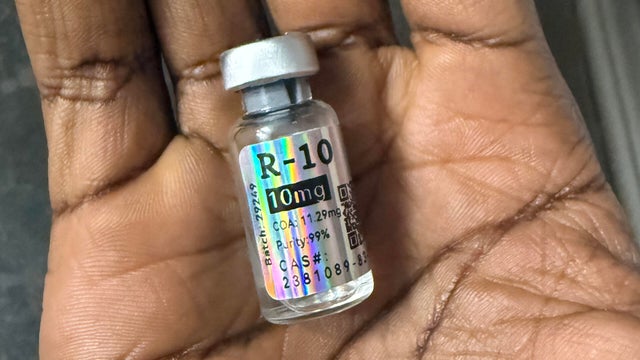
Doctors are jumping the gun to prescribe a medication lacking FDA approval that has gone viral on social media. "Why are we waiting?" one physician asked.
Federal immigration authorities barred a Somali soccer referee who was slated to officiate the FIFA World Cup from entering the U.S. over the weekend, citing "vetting concerns."
CBS News projects that incumbent Los Angeles Mayor Karen Bass will face off against Nithya Raman in November's runoff election.
U.S. District Judge Leo Sorokin ruled in favor of a group of 20 states that challenged President Trump's new $100,000 visa fee.
On Friday, the Pentagon cut the number of religious affiliation codes from over 200 to 31 to help military chaplains streamline religious support services.

Russia sanctioned Alexander Browder, son of financier-turned-activist Bill Browder, after he unveiled an alleged cryptocurrency money laundering network.
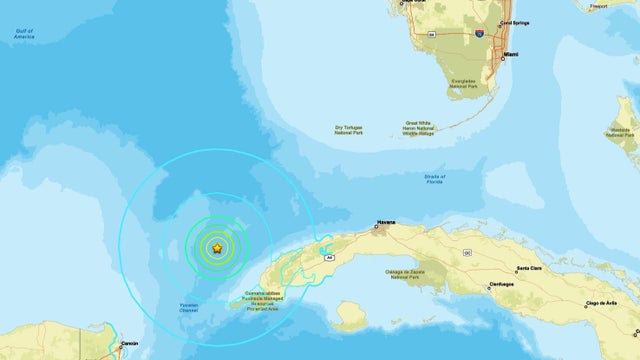
An earthquake off Cuba was felt across parts of Florida, but Miami officials reported no major injuries, significant damage or tsunami threat.
Federal immigration authorities barred a Somali soccer referee who was slated to officiate the FIFA World Cup from entering the U.S. over the weekend, citing "vetting concerns."
"The people are there to see these two teams play," Bill Bradley said of President Trump's plan to attend Game 3 of the NBA Finals on Monday night.

Going public will allow OpenAI, valued at $852 billion, to inject more cash into its business as the AI race quickens.

SpaceX is setting aside a large chunk of shares for ordinary investors as it seeks to raise a record $75 billion. Here's what to know.

"AI can make everything that was on my plate visible to colleagues while I'm gone," one expert said.
Going public will allow OpenAI, valued at $852 billion, to inject more cash into its business as the AI race quickens.
SpaceX is setting aside a large chunk of shares for ordinary investors as it seeks to raise a record $75 billion. Here's what to know.
"AI can make everything that was on my plate visible to colleagues while I'm gone," one expert said.

New York Fed survey shows growing concern about household finances and the job market, even as the job market remains solid.

Although working remotely offers flexibility, it also takes a toll on people's mental health, experts said.
CBS News projects that incumbent Los Angeles Mayor Karen Bass will face off against Nithya Raman in November's runoff election.
Federal immigration authorities barred a Somali soccer referee who was slated to officiate the FIFA World Cup from entering the U.S. over the weekend, citing "vetting concerns."
"The people are there to see these two teams play," Bill Bradley said of President Trump's plan to attend Game 3 of the NBA Finals on Monday night.
Currently acting attorney general, Todd Blanche may face an uphill confirmation battle from some wary Republican senators.
U.S. District Judge Leo Sorokin ruled in favor of a group of 20 states that challenged President Trump's new $100,000 visa fee.

There's a new safety concern about doctors prescribing one experimental weight loss treatment, retatrutide, that hasn't even been FDA approved yet. Adam Yamaguchi reports.
Doctors are jumping the gun to prescribe a medication lacking FDA approval that has gone viral on social media. "Why are we waiting?" one physician asked.

Approved 20 years ago as a diabetes treatment, GLP-1 drugs have been found to help patients reduce weight, changing the lives of more than 30 million people in the U.S. But there also have been troubling side effects reported.

Approved 20 years ago as a treatment for diabetes, GLP-1 drugs have been found also to help patients significantly reduce weight. More than 30 million people in the U.S. have had their lives changed by GLP-1 medications. But there have also been troubling side effects reported. Correspondent Tracy Smith talks with experts who say the drugs might prove useful in treating other diseases associated with obesity (including cancer); and with patients who have taken GLP-1 drugs and experienced widely varying reactions.
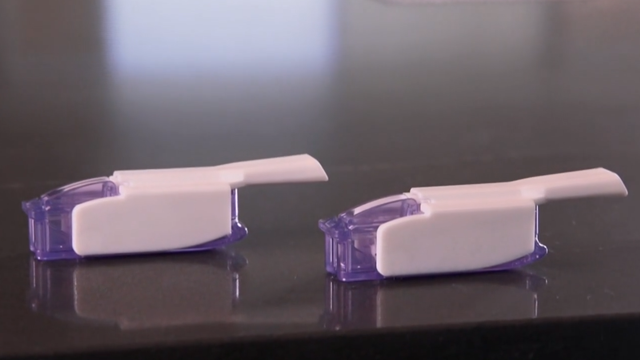
A medical breakthrough is showing promise for millions of Americans with Type 1 diabetes. It's an alternative to taking insulin without the injections. Mark Strassmann has more details.

Great white sharks are classified as "critically endangered" in the Mediterranean Sea, and underwater sightings are incredibly rare.
Russia sanctioned Alexander Browder, son of financier-turned-activist Bill Browder, after he unveiled an alleged cryptocurrency money laundering network.

Pope Leo XIV denounced the "scourge" of sexual violence by Catholic clergy and called for a "culture of care" in the Church ahead of an expected private meeting with victims in Spain.
Iran and Israel declare a halt to fighting as President Trump says both are seeking an "immediate ceasefire" after a major escalation in the 101-day war.

A series of drone incursions into countries neighboring Ukraine and Russia is fueling concern that their four-and-a-half year war could spread.
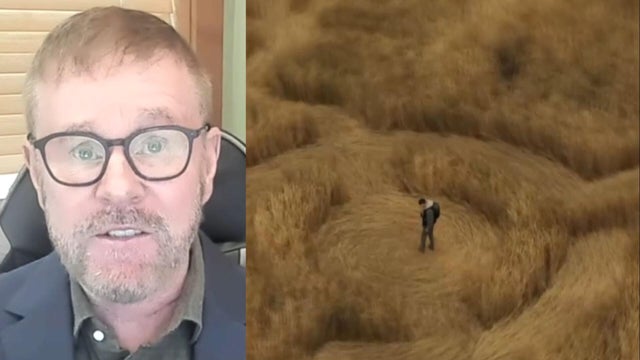
Garry Nolan, a professor of pathology at Stanford University School of Medicine and the executive director of the board for The Sol Foundation, joins CBS News 24/7 to discuss Steven Spielberg's new movie, "Disclosure Day," and its exploration of the existence of aliens on Earth.

CBS News New York's Dave Carlin breaks down the biggest wins and performances from the 79th Tony Awards.
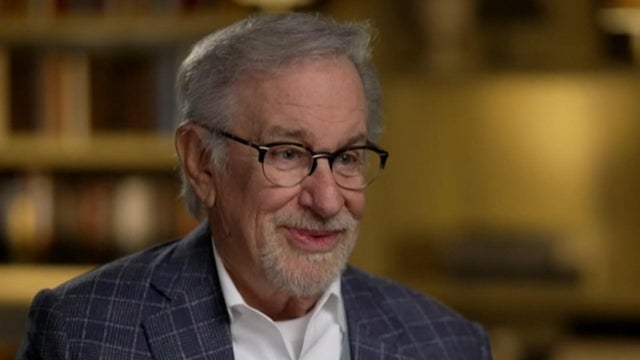
Oscar-winning director Steven Spielberg talks to CBS News about his 34th feature film, "Disclosure Day," which explores what would happen if all of the evidence about UFOs and alien life was released to the entire world and proved we are not alone. He also discusses his opinion on aliens, saying they "have been here and they are here."

At Broadway's biggest night, "Schmigadoon!" took home the award for best musical. Meanwhile, "Arthur Miller's 'Death of a Salesman'" won six Tony Awards, the most of the night. Jamie Wax has more on the winners and top moments.
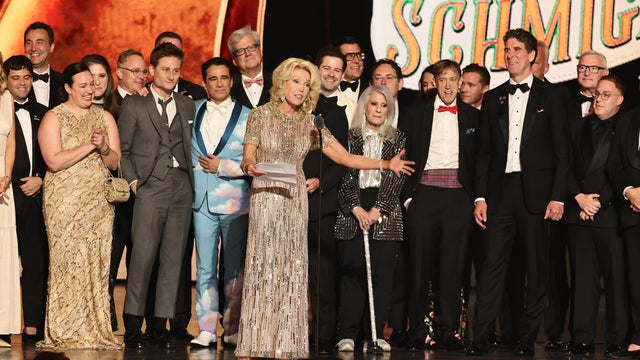
"Schmigadoon!" — which was tied for the most nominations, with 12 — won Best Musical, and "Liberation" took home the honor of Best Play at the 2026 Tony Awards.
SpaceX is setting aside a large chunk of shares for ordinary investors as it seeks to raise a record $75 billion. Here's what to know.
"AI can make everything that was on my plate visible to colleagues while I'm gone," one expert said.

From labor shortages to environmental impacts, farmers are looking to AI to help revolutionize the agriculture industry. One California startup, Farm-ng, is tapping into the power of AI and robotics to perform a wide range of tasks, including seeding, weeding and harvesting.
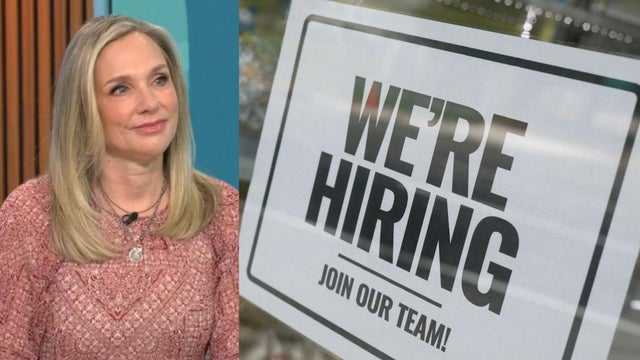
LinkedIn's latest workforce report found hiring rates are nearly 5% lower than a year ago. Catherine Fisher, a LinkedIn career expert, explains how job applicants can break through the market, using AI when applying and more.

Prediction markets have become a draw for young men in search of quick cash and thrills, experts say. "I had almost $4,600 at one point but squandered that," one man said.
Great white sharks are classified as "critically endangered" in the Mediterranean Sea, and underwater sightings are incredibly rare.

The expected arrival of El Niño this summer could trigger another mass coral bleaching event, which would be the fifth on record, researchers said.
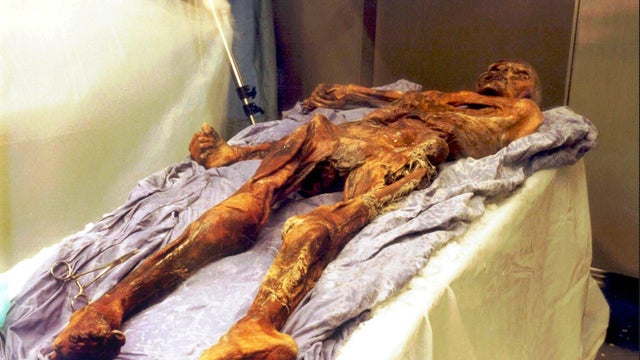
More than 5,300 years ago, Oetzi the Iceman was strolling through the Alps on the border of Austria and Italy when he was killed by an arrow in the back.

Days after a meteor exploded over New England, another fireball was spotted, visible in the Midwest to the Northeast. Rob Marciano has more.

A team of archaeologists at the iconic cathedral is digging straight down and back in time, to Roman Paris 2,000 years ago.

A man appeared in a Houston courtroom Monday after he was removed from a United Airlines flight last month for allegedly getting on the plane with a fake boarding pass. Jason Allen reports.

At least 12 people were injured during a mass shooting at the Old West End Festival in Toledo, Ohio, officials say. CBS News' Jonah Kaplan reports.

Twelve people were injured, two of them critically, in what police are calling a "gunfight" that broke out at the Old West End Festival in Toledo, Ohio, on Saturday. Jonah Kaplan reports.
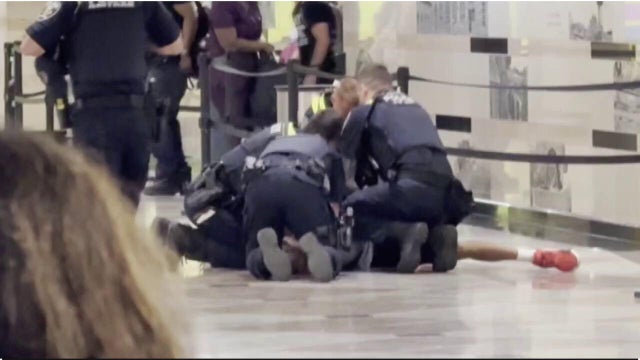
Six people, including the suspect, were taken to the hospital after a stabbing incident at New York City's Penn Station on Sunday evening.
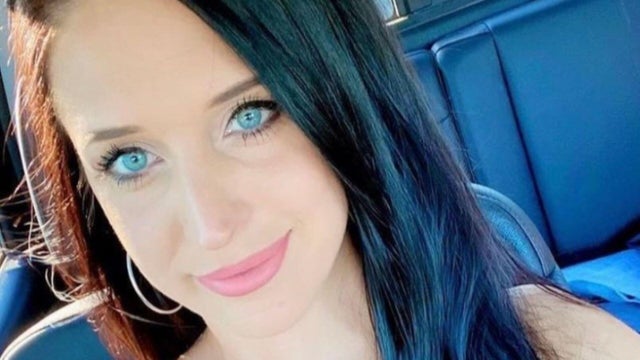
A toxic couple orchestrates an elaborate plan to kill a mother. "48 Hours" correspondent Peter Van Sant reports.

Out of an abundance of caution, NASA briefly directed five of the seven crew members aboard the International Space Station to wait inside the docked SpaceX Crew Dragon "Freedom" spacecraft.

Three solar flares burst from the sun this week, raising the chances of seeing the northern lights for people across the United States.

NASA officials said the $582 million MAVEN orbiter could not be recovered after a problem on the far side of Mars late last year, and that its extraordinarily successful mission was at an end.

Damage to Blue Origin's lone launch pad in the wake of last week's spectacular explosion was not as severe as initially feared, the company said.
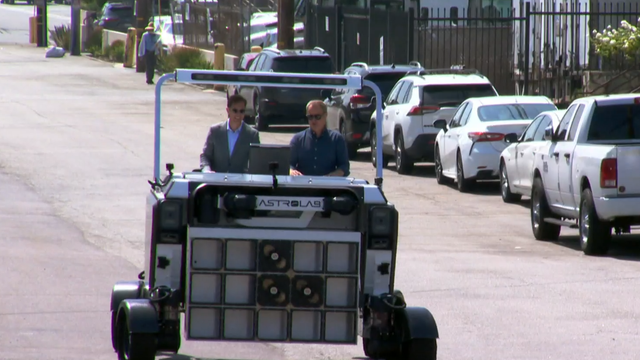
The FLEX Rover will be equipped to carry two astronauts and traverse hundreds of miles of lunar terrain.
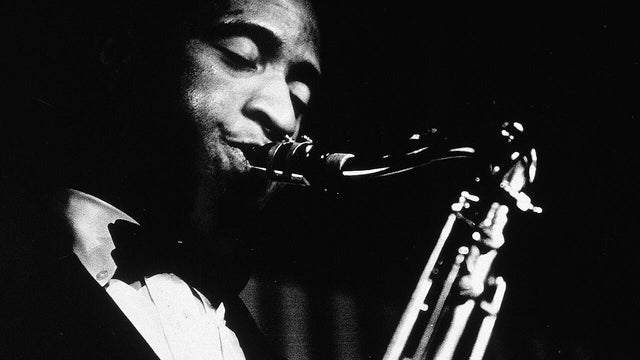
A look back at the esteemed personalities who've left us this year, who'd touched us with their innovation, creativity and humanity.

Summer is the time to enjoy live music, indoors and out. Scroll through our gallery of some of 2026's leading musical acts, featuring images by CBS News photojournalist Jake Barlow and photographers Ed Spinelli and Kirstine Walton.
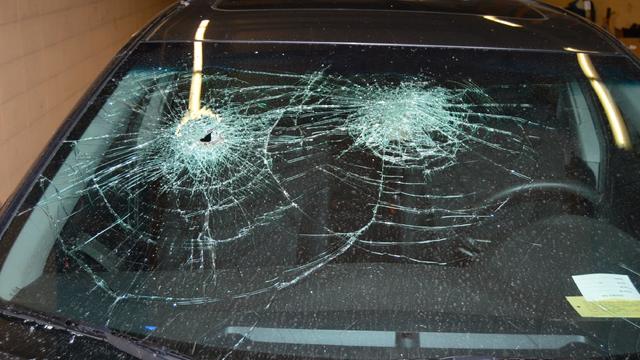
Does the evidence show a cover-up, or was Todd Kendhammer wrongfully convicted for the murder of his wife?
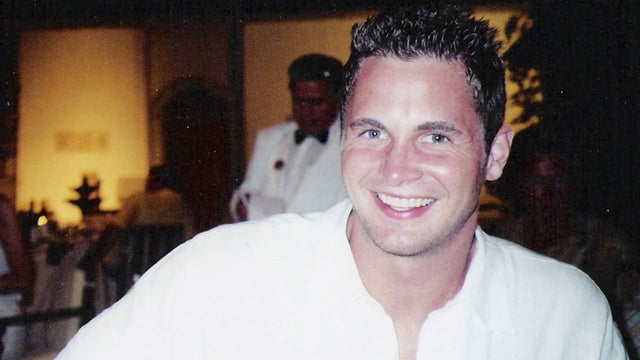
Family seeks answers in death of newlywed who disappeared in 2005 while on Mediterranean honeymoon cruise.
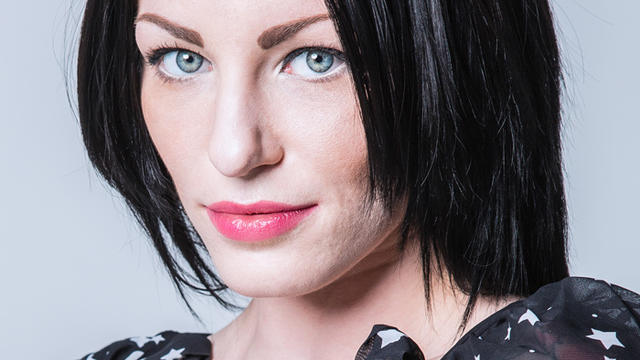
Meet the tattooed beauty charged in the death of Google executive Forrest Hayes.
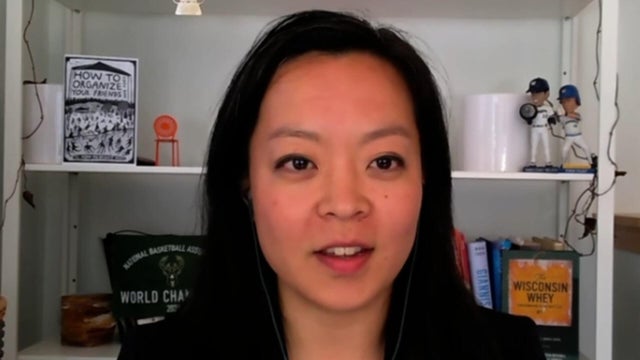
Wisconsin state representative and self-described democratic socialist Francesca Hong launched what many would consider a long-shot candidacy for Wisconsin governor last year. But early polls show her as one of the frontrunners ahead of the Democratic primary on August 11. Hong joined CBS News to discuss her campaign.

Apple unveiled new child safety features for its devices at its annual Worldwide Developers Conference in Cupertino, California, Monday. CBS News senior business and tech correspondent Jo Ling Kent has more.
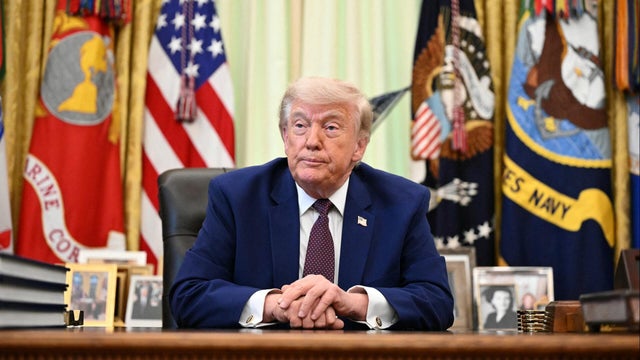
The Trump administration says it is moving forward with what it calls the largest-ever effort to use its power to revoke U.S. citizenship. CBS News immigration correspondent Camilo Montoya-Galvez has more.
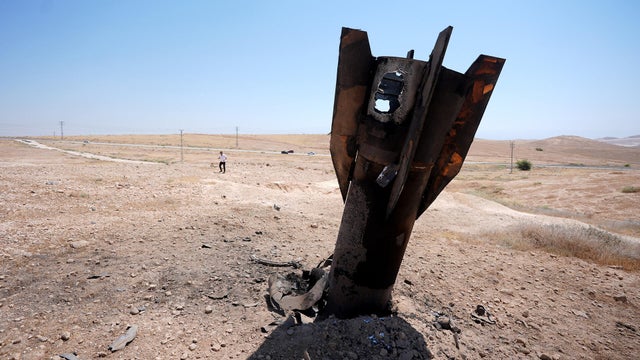
Iran and Israel say they've halted military operations after weekend flare-up; Trump attends NBA Finals game at Madison Square Garden.

Millions in central U.S. facing severe weather threats after weekend of storms; Inside Trump's visit to the NBA Finals.