July 29, 2010 8:56 PM

Diabetes Drug to Get Second Look
By
Armen Keteyian
**Update 7/20/10

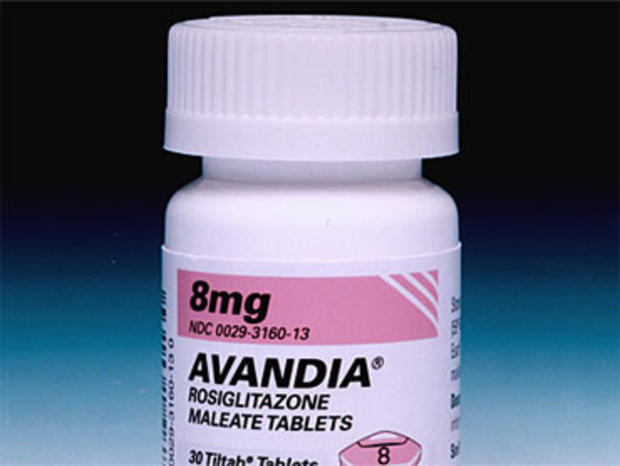
On Tuesday, an FDA panel will begin deciding what to do about the controversial diabetes drug Avandia. More than half a million Americans use it, but studies have linked it to an increased risk of heart attack, stroke, even death. CBS News Chief Investigative Correspondent Armen Keteyian reports some doctors have been warning about Avandia for years.

For Dr. Mary Money the medical alarm first sounded in her Hagerstown, Maryland, office 11 years ago - shortly after she first started prescribing a new diabetes drug.

"The first patient that I put on the drug, developed severe fluid retention, severe shortness of breath," Dr. Money said.

A review of her files found more than half - 20 of the 33 patients on Avandia - had developed similar symptoms that could lead to heart failure.

So Dr. Money stopped writing new prescriptions, and started calling other doctors expressing concern about what was to become a blockbuster drug.

"From my perspective," she said, "I was trying to save lives."

The drug's manufacturer, GlaxoSmithKline, didn't see it that way. Sending the chief of staff at her hospital a letter stating Dr. Money was creating "unnecessary ... fear." Requesting she stop disseminating what it called "unsubstantiated information."

Dr. Money said it was "a very upsetting letter to receive from a company, and it did intimidate me."

"In my view, Avandia is the worst drug safety catastrophe certainly in our lifetimes," said Dr. Steven Nissen of the Cleveland Clinic.

In 2007, Dr. Nissen published analysis showing Avandia caused a 43-percent increase in the risk of heart attacks.

"When you stifle debate, particularly about drug safety, often the price that you pay is very high," Dr. Nissen said.

In fact, Senate investigators found three other incidents in which doctors who raised concerns about Avandia's safety say they were intimidated by GlaxoSmithKline. One said he was threatened with a lawsuit.

"I think that the actions of GlaxoSmithKline are certainly worse than almost any other that I can recall," Dr. Nissen said.

In a statement to CBS News, GlaxoSmithKline said it "does not condone any effort to silence scientific debate…" and only seeks to "correct inaccuracies and misstatements." It also said, "Since 2007 we have seen results from six controlled clinical trials ... and together they show that this medicine does not increase the overall risk of heart attack, stroke or death."

But now the FDA is sorting through a mountain of new evidence to see if that's true - including FDA analysis that suggests "serious flaws" in a major clinical trial, the company says, proves the drug is safe.

Dr. Money, meanwhile, remains proud of the fact she never rolled over despite all the pressure.

"We have a responsibility to our patients to do no harm and to look after them," Dr. Money said. "I think we have to be willing to take the risk regardless of what might happen."

Since questions were first raised about the drug, sales have dropped by half. But Avandia is still a billion-dollar-a-year drug.

What are the options for the FDA?

The FDA has some of its most severe warnings on Avandia, meaning doctors are being very careful before prescibing it.

This week the FDA can do nothing, and wait for the additional ongoing studies being funded by the drug company. They can add more warnings. Or it's possible they could pull it off the market altogether. Anyone who is on the drug should be paying very close attention and talking to his or her doctor.

**Update 7/29/10

Dr. Mary Money's latest researchlooks at the diagnosis and treatment for Irritable Bowel Syndrome that affects 10 to 15 percent of the U.S. population. Dr. Money says most of her patients' symptoms clear up if they are prescribed pancreatic enzymes to take a few times a day or before eating certain "trigger foods". Dr. Money says her patients who respond to the treatment are so relieved that they think she "walks on water."


Copyright 2010 CBS. All rights reserved.